

How to Reduce Bloating Naturally Using Daily Habits
Key Takeaways:
- The “healthy” trap: Increasing fiber intake too rapidly is often the primary cause of bloating, not the solution, due to bacterial fermentation.
- The 90-minute rule: Your gut needs approximately 90 minutes to 2 hours between meals to activate the “cleanup wave” (Migrating Motor Complex).
- Sodium isn’t the only factor: Bloating is often an imbalance between sodium and potassium; increasing potassium-rich foods can help neutralize water retention.
- Stress stops digestion: The vagus nerve shuts down digestive enzyme production during stress, making “relaxed eating” a biological necessity, not just a wellness trend.
- Consistency over intensity: Small, daily mechanical adjustments (like chewing more) often yield better results than restrictive detoxes.
Abdominal bloating is one of the most common and uncomfortable digestive complaints, affecting nearly 20% of the general population according to epidemiological data. It is not merely a cosmetic concern or a result of weight gain; it is a physiological signal that your digestive system is struggling to process contents efficiently. For many, the sensation of distension feeling “tight” or “full” even without a heavy meal can be disruptive to daily life and mental well-being.
The biological mechanisms behind bloating are typically twofold: the accumulation of gas produced by gut bacteria during fermentation, or the retention of fluid driven by electrolyte imbalances. While the wellness industry often pushes expensive supplements or aggressive “detox teas,” the most effective solutions are found in understanding human biology. By adjusting how you eat, what you eat, and how you move, you can influence the mechanical and chemical processes of digestion.
This guide explores the science of gut motility and microbiome interaction. You will learn how to reduce bloating naturally by leveraging the body’s own systems specifically the gut-brain axis and peristalsis to restore comfort and digestive efficiency.
1. A Biology-Based Look at Why We Bloat:
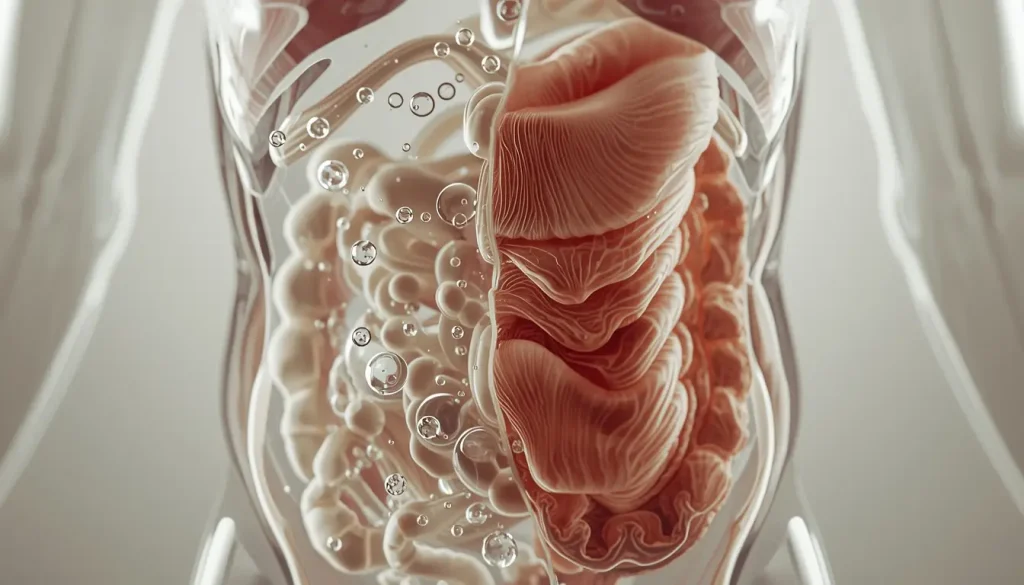
To reduce bloating naturally, one must address the two primary causes: excessive gas production from bacterial fermentation and water retention caused by electrolyte imbalance. Biologically, this involves optimizing peristalsis (muscle contractions) to move gas through the intestines and balancing sodium levels to prevent fluid accumulation in tissues.
The Mechanics of Gas and Distension
Biologically, the sensation of bloating is often described as “visceral hypersensitivity.” This means the nerves in the gut wall are reacting strongly to normal amounts of gas or stretching. Gas is a natural byproduct of digestion, created when gut bacteria break down carbohydrates that the small intestine failed to absorb. This process, known as fermentation, occurs primarily in the colon. However, when digestion is sluggish, or when “fermentable” foods are consumed in large quantities, gas production spikes. This pressure pushes against the abdominal wall and the diaphragm, creating that familiar, uncomfortable distension.
The Role of Water Retention
The second major component of bloating has nothing to do with gas and everything to do with fluid dynamics. The human body tightly regulates the concentration of fluids in the bloodstream. When sodium intake is high, the body holds onto water to dilute the blood back to a safe salinity. This leads to increased blood volume and interstitial fluid water trapped between cells. This type of bloating feels less like a “balloon” and more like a generalized puffiness. Understanding whether your bloating is gaseous (often diet-related) or fluid-based (often sodium-related) is the first step in choosing the right natural intervention.
2. The Complex Relationship Between Fiber and Fermentation:
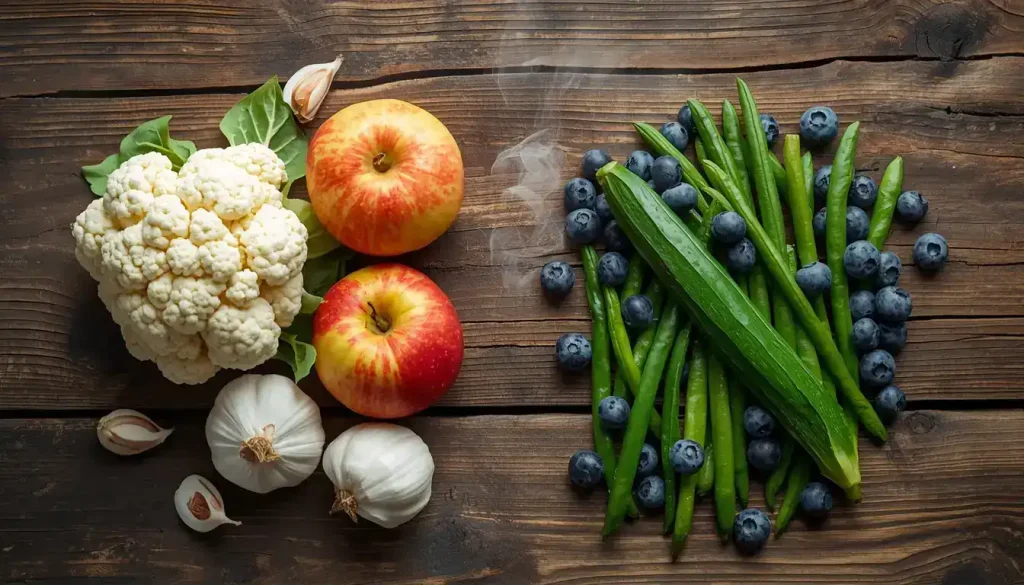
Fiber is essential for long-term health, but specific types of fermentable fiber (FODMAPs) can trigger rapid gas production in sensitive individuals. To reduce bloating naturally, it is crucial to temporarily limit high-FODMAP foods like onions, garlic, and wheat, replacing them with low-fermentation alternatives until the gut stabilizes.
Understanding Fiber’s Dual Role
It is commonly advised to “eat more fiber” for digestive health, but for those prone to bloating, this advice can be counterproductive if not nuanced. Soluble fiber (found in oats, nuts, and beans) dissolves in water and is highly fermentable. While beneficial for the microbiome, rapid introduction of soluble fiber provides a feast for gut bacteria, resulting in massive gas production. Insoluble fiber (found in wheat bran and vegetable skins) does not ferment as easily but adds bulk. To reduce bloating naturally, one must moderate the intake of highly fermentable substrates, often referred to as FODMAPs (Fermentable Oligosaccharides, Disaccharides, Monosaccharides, and Polyols).
Why “Healthy” Foods Can Cause Bloating
Many nutrient-dense foods are high-FODMAP foods. Broccoli, cauliflower, onions, and garlic contain specific carbohydrates (like fructans and raffinose) that humans lack the enzymes to break down completely. When these carbohydrates reach the large intestine intact, bacteria ferment them rapidly.
- Strategy: The goal is not to eliminate fiber, but to titrate it. Cooking vegetables thoroughly breaks down some of these fibers before they enter the mouth, effectively “pre-digesting” them and reducing the workload on the gut.
High-Gas vs. Low-Gas Foods: Simple Swaps to Reduce Bloating
Use this guide to swap high-gas foods for nutrient-dense, lower-gas alternatives.
| Food Category | High-FODMAP (Likely to Bloat) | Low-FODMAP (Gentle on Gut) | Why It Helps |
| Vegetables | Cauliflower, Garlic, Onions, Artichokes | Spinach, Carrots, Zucchini, Green Beans | Reduces fructans that ferment rapidly in the colon. |
| Fruits | Apples, Pears, Peaches, Plums | Blueberries, Strawberries, Kiwi, Oranges | Lowers excess fructose load which is hard to absorb. |
| Grains | Wheat, Rye, Barley (in large amounts) | Rice, Quinoa, Oats, Potatoes | Easier for enzymes to break down; less residue. |
| Proteins | Legumes (Kidney beans, Soybeans) | Eggs, Chicken, Tofu (firm), Fish | Firm tofu has less galactans than whole beans. |
3. Hydration and the Sodium-Potassium Pump:
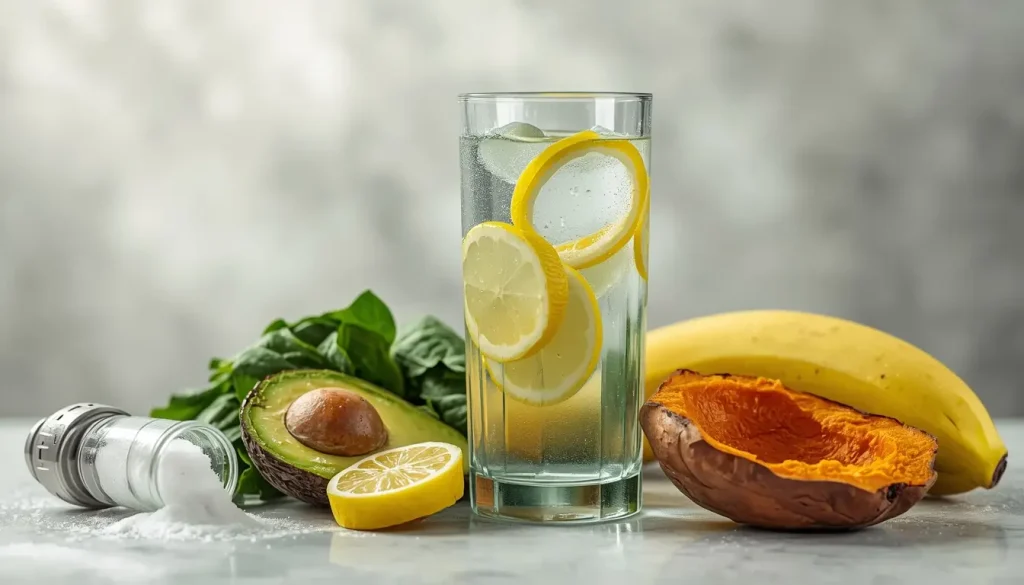
Proper hydration fights fluid retention by signaling the kidneys to flush out excess sodium. To reduce bloating naturally, focus on consuming potassium-rich foods and drinking water consistently, which balances the body’s sodium-potassium pump and reduces the “puffiness” associated with salty meals.
The Biological Necessity of Electrolyte Balance
A common misconception is that drinking water worsens bloating. In reality, dehydration signals the body to hoard fluids. The mechanism at play is the sodium-potassium pump, a cellular process that regulates fluid balance. Sodium pulls water into cells and tissues, while potassium helps pump it out. Modern diets are often skewed heavily toward sodium, leading to chronic water retention. To reduce bloating naturally, you must increase potassium intake rather than just restricting salt.
How Water Intake Influences Gut Motility
Water is also the primary vehicle for digestion. It keeps the mucosal lining of the gastrointestinal tract lubricated and ensures that fiber can move through the system. Without adequate water, fiber hardens, slowing down transit time. Slow transit time equals more time for bacteria to ferment stool, creating more gas.
- Evidence: According to the Mayo Clinic, adequate hydration is essential for helping fiber do its job. A simple target is to ensure urine is pale yellow; dark urine indicates the body is conserving fluid, likely contributing to a bloated feeling.
4. The Gut-Brain Axis and the Vagus Nerve:

Stress activates the sympathetic nervous system, which physically halts digestion and enzyme production. To reduce bloating naturally, you must activate the parasympathetic “rest and digest” state via the vagus nerve before eating, ensuring food is broken down efficiently rather than stagnating.
The Physiology of Stress Digestion
The gut and the brain are physically connected by the vagus nerve, a major component of the parasympathetic nervous system. This system controls the “rest and digest” state. When you are stressed, rushing, or anxious, the sympathetic nervous system (“fight or flight”) takes over. Biologically, this diverts blood flow away from the digestive tract and toward the muscles. Digestion effectively shuts down or slows significantly. Eating in this state means food sits in the stomach longer, leading to delayed gastric emptying and increased fermentation.
Activating the Parasympathetic State
You cannot reduce bloating naturally if you are constantly eating in a sympathetic state. The enzymes required to break down food amylase in saliva, pepsin in the stomach are released optimally only when the body is relaxed.
- Mechanism: Taking three deep, slow breaths before a meal can stimulate the vagus nerve, signaling the body to prepare for digestion. This simple physiological switch can prevent the stagnation of food that leads to post-meal heaviness and bloat.
5. Optimizing Meal Mechanics and Timing:
The digestive system requires downtime to clean itself via the Migrating Motor Complex (MMC). To reduce bloating naturally, spacing meals 3–4 hours apart without snacking allows this electromechanical wave to sweep residual bacteria and food debris into the colon, preventing fermentation.
The Migrating Motor Complex (MMC)
The Migrating Motor Complex is a distinct pattern of electromechanical activity observed in gastrointestinal smooth muscle during the periods between meals. Think of it as the gut’s “housekeeper.” It sweeps residual food and bacteria from the small intestine into the large intestine. However, the MMC only activates when the stomach is empty, typically 90 minutes to 3 hours after eating. If you graze or snack constantly, the MMC never fully engages. This allows bacteria to remain in the small intestine (where they shouldn’t be in large numbers), leading to fermentation and bloating.
The Impact of Chewing and Aerophagia
Digestion begins in the mouth, not the stomach. Mechanical digestion (chewing) increases the surface area of food, allowing enzymes to penetrate and break it down more efficiently. If you swallow large chunks of food, the stomach must work harder and produce more acid. Furthermore, eating quickly often leads to aerophagia (swallowing air). This introduces nitrogen and oxygen into the digestive tract, which are not easily absorbed and must pass as gas.
- Practical Application: To reduce bloating naturally, aiming for a “chew to liquid” consistency ensures that the food bolus is primed for the stomach, reducing the fermentation potential later in the tract.
6. Natural Movement to Aid Peristalsis
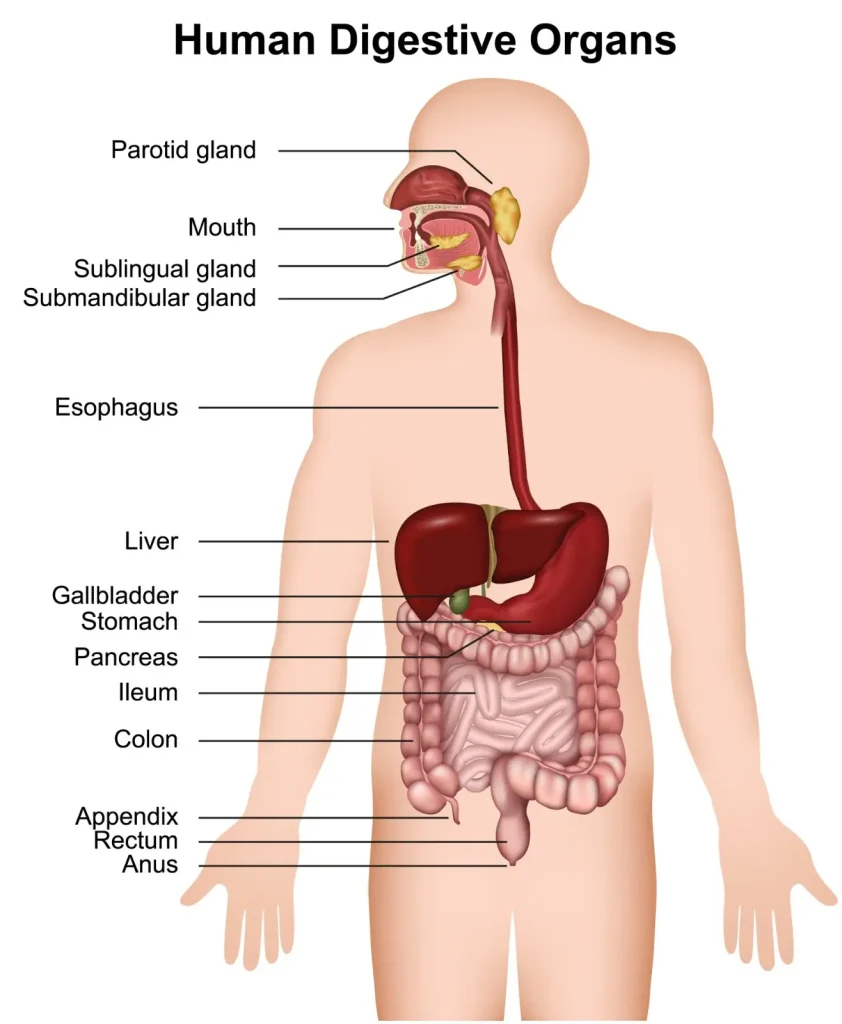
Physical movement is a mechanical trigger for gut motility. To reduce bloating naturally, engaging in gentle activities like walking or yoga twists helps massage the intestines and increase blood flow, preventing gas from becoming trapped in the colon’s flexures.
Physical Stimulation of the GI Tract
Sedentary behavior is a major contributor to constipation and bloating. Gravity and movement help stimulate peristalsis the wave-like muscle contractions that move food through the intestines. When the body is static, particularly in a seated position that compresses the abdomen, gas can become trapped in the bends of the colon (the hepatic and splenic flexures). Gentle physical activity increases blood flow to the digestive organs and physically massages the intestines.
The Science of “Gas-Relieving” Postures
Certain movements can mechanically compress and release the abdomen, helping to expel trapped gas. Walking, for instance, engages the psoas muscles which massage the cecum and sigmoid colon. Specific stretches that compress the thighs against the belly can increase intra-abdominal pressure slightly, encouraging the movement of gas toward the exit.
- Data Point: Research indicates that mild physical activity, such as a 15-minute walk after meals, significantly improves gastric emptying rates compared to remaining sedentary.
Dietary Triggers Beyond Sugar and Gluten
Many “diet” foods contain sugar alcohols that the human body cannot fully absorb, leading to osmosis and gas. To reduce bloating naturally, avoiding ingredients like sorbitol, xylitol, and carbonated beverages helps minimize the volume of gas and fluid introduced to the digestive tract.
The Hidden Impact of Sugar Alcohols
In the quest to reduce calorie intake, many people turn to “sugar-free” products containing sugar alcohols like sorbitol, mannitol, and xylitol. While these reduce caloric load, the human body cannot fully digest them. They pass into the large intestine largely intact, where they draw water into the gut via osmosis (causing loose stools) and are fermented vigorously by bacteria (causing massive gas). For someone trying to reduce bloating naturally, eliminating gum, mints, and protein bars containing these ingredients is a high-yield strategy.
Carbonation and Temperature
Carbonated beverages introduce carbon dioxide gas directly into the stomach. While some is burped out, the remainder passes into the intestines. Additionally, consuming ice-cold beverages can temporarily shock the stomach, potentially slowing enzyme activity and gastric emptying in sensitive individuals.
Biological Context: The stomach operates best at internal body temperature (approx. 37°C or 98.6°F). Consuming room-temperature water and avoiding carbonation reduces the mechanical volume of gas introduced to the system.
Simple Daily Tools to Reduce Bloating Naturally
To effectively reduce bloating naturally, you do not need expensive apps, supplements, or gadgets. The most effective tools are behavioral techniques that retrain your physiology.
1. The 3-Column Food-Symptom Diary A standard food tracker isn’t enough. Create a simple log with three columns: Time/Meal, Ingredients, and Symptoms (+2 Hours).
- Why it works: Bloating from food intolerances (like FODMAPs) usually doesn’t happen immediately; it happens once the food reaches the colon (2–4 hours later). This tool helps you connect the delay between eating and the symptom.
2. The “Meal Spacing” Timer A simple practice of setting a timer for 3.5 to 4 hours between meals.
Why it works: This respects the biology of the Migrating Motor Complex (MMC). If you eat at 8:00 AM, do not consume calories again until 12:00 PM. This allows the “cleaning wave” to flush bacteria out of the small intestine.
3. Box Breathing (4-4-4-4) Technique Before taking your first bite, perform one minute of box breathing: Inhale for 4 seconds, hold for 4, exhale for 4, hold for 4.
Why it works: This manual override switches your nervous system from Sympathetic (Fight/Flight) to Parasympathetic (Rest/Digest), ensuring blood flow is directed to the stomach for optimal enzymatic activity.
Real Human Stories:
The “Salad” Misunderstanding Lisa, a 34-year-old graphic designer, suffered from chronic evening bloating that made her look “six months pregnant” by 7 PM. She assumed she needed to eat healthier, so she doubled her intake of raw kale salads and raw broccoli. Paradoxically, her bloating worsened. After consulting with a nutritionist, she learned that her gut struggled to break down the tough cellulose and raffinose in raw cruciferous vegetables. She didn’t stop eating vegetables; she simply switched to cooked carrots, spinach, and roasted zucchini foods that are easier to digest. Within a week, her evening distension decreased significantly because she respected her body’s digestive capacity.
The Constant Grazer Mark, a 29-year-old developer, kept a bowl of nuts at his desk and snacked every 30 minutes to “keep his metabolism up.” Despite being fit, he felt constantly heavy and bloated. He learned about the Migrating Motor Complex and realized he was never giving his gut the 90-minute break required to clean itself out. He shifted to eating three distinct square meals with zero snacking in between. This allowed his MMC to function, sweeping away residual bacteria and gas. The constant low-grade bloating vanished, proving that when you eat is just as important as what you eat.
Frequently Asked Questions (FAQ):
Q: How long does it take to reduce bloating naturally?
A: For acute bloating caused by a specific meal, relief can occur within 2–4 hours as digestion progresses. For chronic bloating, adjusting fiber intake and hydration habits typically shows results within 3 to 7 days as the microbiome adapts and water retention subsides.
Q: Is lemon water actually effective for bloating?
A: Lemon water can be mildly helpful. The acidity is similar to the stomach’s natural environment, which may support the digestive process. However, its primary benefit is simply hydration and the potassium content found in lemon juice, which helps balance sodium.
Q: Can probiotics make bloating worse?
A: Yes. Introducing a high-potency probiotic can temporarily increase bloating. This happens because you are introducing new bacteria into an ecosystem that may already be imbalanced. It often causes a “die-off” reaction or increased fermentation initially. It is often better to start with probiotic foods (like yogurt) rather than pills.
Q: Does apple cider vinegar help with bloating?
A: This is known as “diurnal variation.” It is common because you have fasted overnight, allowing the gut to empty and gas to dissipate. As you eat and drink throughout the day, gas accumulates from fermentation, and gravity can cause the abdominal muscles to relax, leading to distension by evening.
Q: Why do I wake up flat but get bloated as the day goes on?
Waking up flat and experiencing bloating throughout the day can be due to several factors, including diet, water retention, hormonal changes, and digestive issues. Consuming high-sodium foods, carbonated beverages, or certain carbohydrates can contribute to bloating. Additionally, food intolerances or gastrointestinal conditions may play a role. It’s advisable to monitor your diet and consult a healthcare professional if bloating persists.
Q: What is the best sleeping position to reduce bloating?
A: Sleeping on your left side is anatomically preferred. Gravity aids the movement of waste from the small intestine to the large intestine and down to the descending colon. This position also prevents the stomach from pressing down on the pancreas, allowing for freer enzyme secretion.
Final Verdict:
Reducing bloating is rarely about finding a “magic pill” and more about understanding the biological inputs you give your body. By managing the texture of your food (cooking veggies), the timing of your meals (allowing for the MMC), and the balance of your electrolytes (sodium vs. potassium), you can resolve most functional bloating issues. It requires listening to the body’s signals rather than silencing them.
Use these biology-based habits to reduce bloating naturally, starting today..