
A Science-Backed Guide to a Night Routine for Better Sleep
Key Takeaways:
- The “Start” is Counter-Intuitive: Your night routine actually begins with sunlight exposure the moment you wake up, not just what you do at 9 PM.
- The 10-3-2-1 Rule: A structured timeline for cutting caffeine, food, work, and screens is more effective than vague “winding down.”
- Temperature Matters: A drop in core body temperature is a biological trigger for sleep onset; a cool room is non-negotiable.
- Consistency > Intensity: Doing a simple 20-minute routine every single night is biologically superior to a complex 2-hour routine done twice a week.
A Science-Backed Guide to a Night Routine for Better Sleep:
We have all been there. You are exhausted physically, yet the moment your head hits the pillow, your mind decides it is the perfect time to review every awkward conversation you have had since 2012. This phenomenon often isn’t just “stress”; it is a physiological misalignment. In our modern digital environment, we are constantly sending our brains “wake up” signals via blue light, late meals, and mental stimulation right when biology demands we shut down.
Creating a structured night routine for better sleep is not about lighting expensive candles or performing elaborate rituals. It is about speaking the language of your biology. It is about signaling to your circadian rhythm that the day is done and safety has been established.
According to the Centers for Disease Control and Prevention (CDC), one third of US adults report that they usually get less sleep than recommended. By implementing a scientifically grounded wind-down protocol, you can move from “tired but wired” to restorative, deep rest. This guide will explain the mechanisms behind why we stay awake and how to build a routine that works.
Understanding the Biology of a Night Routine for Better Sleep:

A night routine for better sleep is a consistent sequence of behaviors performed in the 60 to 90 minutes before bed, designed to lower cortisol, trigger melatonin production, and reduce core body temperature. This process transitions the brain from a state of high-beta wave alertness to alpha and theta wave relaxation, signaling the suprachiasmatic nucleus (the body’s master clock) that it is time to initiate the sleep cycle.
The Two-Process Model of Sleep Regulation:
To understand why a routine works, we have to look at the biology. Sleep is regulated by two primary mechanisms: the circadian rhythm (Process C) and the sleep homeostat (Process S).
Your circadian rhythm is your internal 24-hour clock. It cycles between alertness and sleepiness at regular intervals. It is heavily influenced by environmental cues, primarily light and temperature. When you have a chaotic evening bright lights one night, darkness the next, late meals on weekends you are essentially giving your internal clock jet lag without ever leaving your time zone.
The second process, the homeostatic sleep drive, is like a pressure valve. From the moment you wake up, a chemical called adenosine builds up in your brain. The more adenosine, the sleepier you feel. A proper night routine ensures you don’t interfere with this pressure (for example, by drinking caffeine too late) and allows the circadian rhythm to sync up with that sleep pressure perfectly.
When you establish a night routine for better sleep, you are essentially Pavlov-ing your brain. You are creating strong associative triggers. Over time, simply starting the first step of your routine like dimming the lights will physiologically trigger a release of sleep hormones because your brain recognizes the pattern.
Light Management: The Foundation of Your Routine:

Light is the single most powerful synchronizer of human circadian rhythms. For thousands of years, the only light available after sunset was fire, which emits a long-wavelength, amber-red glow. Today, our homes are flooded with short-wavelength blue light from LEDs, smartphones, and televisions.
The Melatonin Mechanism
Blue light suppresses the production of melatonin, the hormone that signals to your body that it is night. Research from the National Institutes of Health (NIH) indicates that light exposure late in the evening can shift the circadian clock, making it harder to fall asleep and wake up on time.
If your eyes detect bright, blue-enriched light at 10 PM, your brain interprets this as sunlight. It assumes it is noon. Consequently, it keeps cortisol (the stress and alert hormone) elevated and suppresses melatonin. This is why you can feel physically exhausted but mentally wide awake.
The Protocol: Dimming Down
To build an effective night routine for better sleep, you must manage your light environment aggressively.
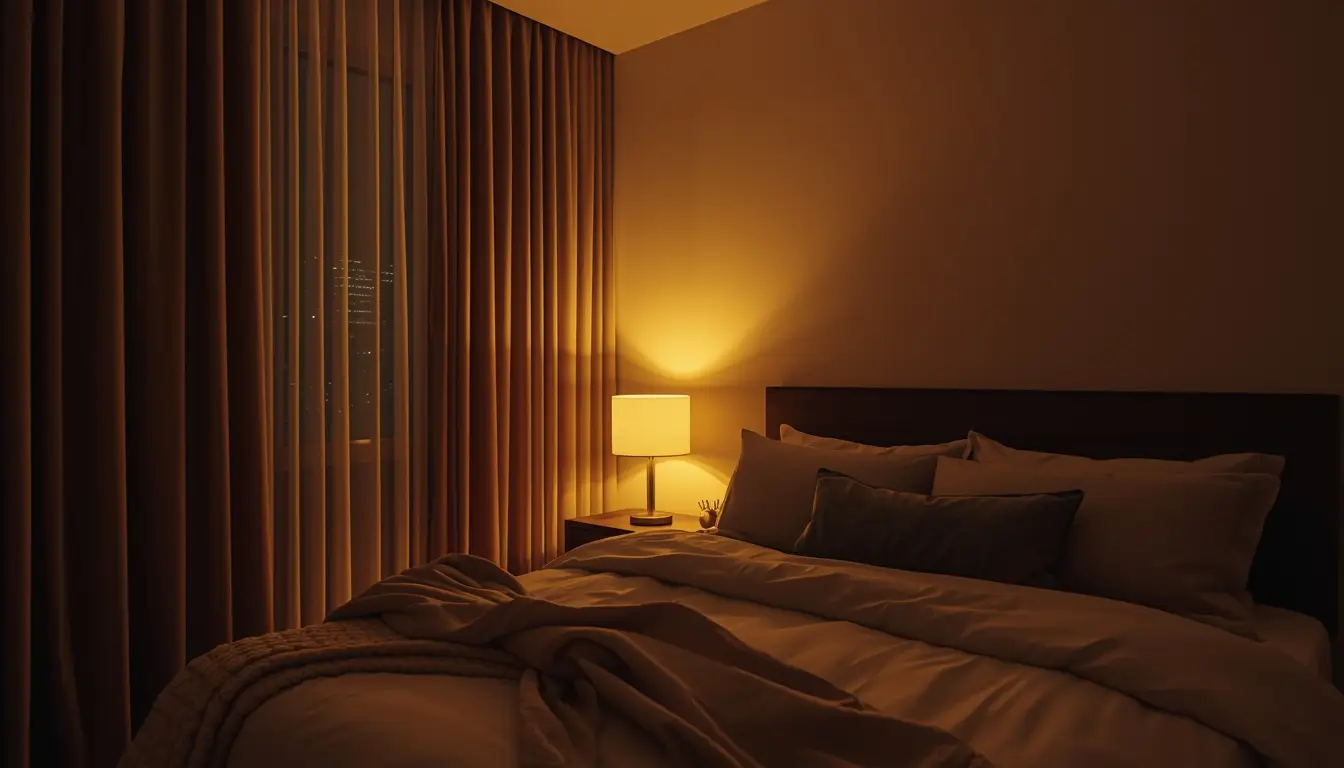
- 2 Hours Before Bed: Turn off overhead lights. Overhead lighting mimics the angle of the sun at noon. Switch to floor lamps or table lamps which mimic the angle of the setting sun.
- 1 Hour Before Bed: Eliminate blue light. This doesn’t just mean putting your phone away. It means using warm-colored bulbs (2700K or lower) in your bedroom. If you must use devices, ensure “Night Shift” mode is enabled and set to the warmest setting, or consider wearing blue-light blocking glasses that feature red or amber lenses.
- Total Darkness: When it is time to sleep, the room should be pitch black. Even a small LED from a smoke detector or a street lamp outside the window can penetrate the eyelid and disrupt sleep architecture. Use blackout curtains or a high-quality sleep mask.
Thermoregulation: Using Temperature to Trigger Sleep:
While light sets the clock, temperature is the gatekeeper. For you to fall asleep and stay asleep, your core body temperature needs to drop by approximately 2 to 3 degrees Fahrenheit.
The Warm Bath Effect
It seems contradictory, but taking a warm bath or shower about 90 minutes before bed is one of the most effective ways to cool your body down. This is known as the “warm bath effect.”
When you are in warm water, blood vessels in your skin dilate (vasodilation). When you step out of the warm water into a cooler room, that blood is close to the surface of the skin, allowing heat to escape your body rapidly. This rapid dump of body heat signals the brain that the body is entering a resting state.
Optimizing the Bedroom Environment
Your bedroom environment plays a critical role in your night routine for better sleep. If your room is too hot, your body struggles to shed that necessary heat, leading to fragmented sleep and wakefulness during the night.
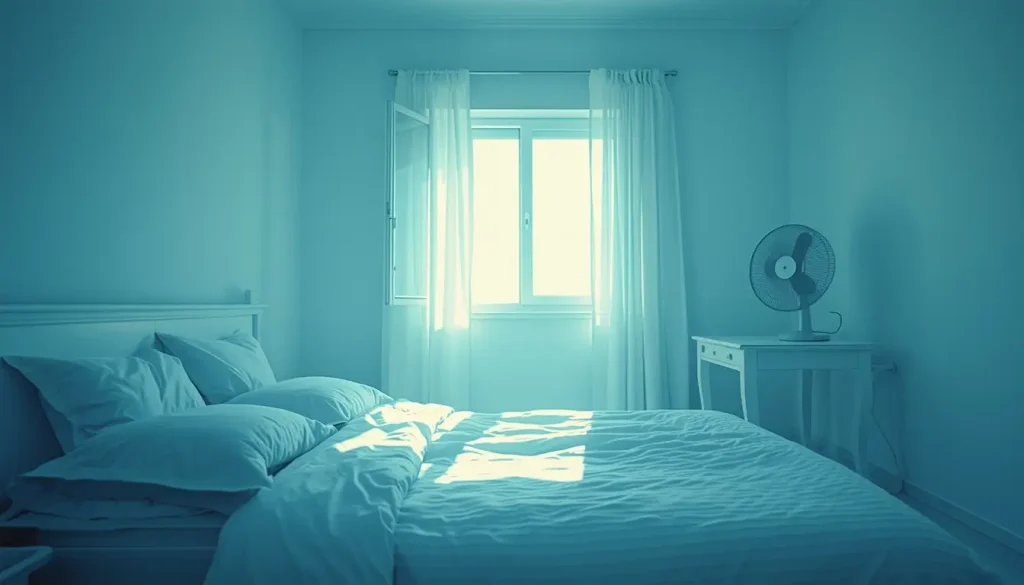
Most sleep scientists recommend keeping the bedroom between 60 and 67 degrees Fahrenheit (15.6 to 19.4 degrees Celsius). If you cannot control the thermostat to that degree, focus on breathable bedding. Natural fibers like cotton, bamboo, or linen allow for better airflow compared to synthetic polyester sheets, which trap heat and moisture.
Comparison of Night Behaviors
| Feature | Pro-Sleep Behavior | Anti-Sleep Behavior |
| Lighting | Warm, dim, floor-level lighting (Red/Amber) | Bright overhead LEDs, Blue light from screens |
| Temperature | Cool room (60-67°F), warm bath/shower | Hot room (>70°F), heavy synthetic blankets |
| Mental State | Fiction reading, journaling, meditation | Doomscrolling, checking work email, arguing |
| Timing | Consistent bed/wake times (+/- 30 mins) | Varying sleep times by 2+ hours (Social Jetlag) |
| Intake | Herbal tea, water (limited), magnesium | Alcohol, caffeine, heavy spicy meals |
The 10-3-2-1 Strategy for Timing Your Routine:
Structure is the antidote to sleep anxiety. One of the most popular and effective frameworks for a night routine for better sleep is the “10-3-2-1 Rule.” This countdown method helps you prioritize what to stop doing as bedtime approaches.
10 Hours Before Bed: No More Caffeine
Caffeine has a half-life of roughly 5 to 7 hours. This means if you drink a cup of coffee at 4 PM, half of that caffeine is still active in your system at 10 PM. Even if you can fall asleep with caffeine in your system, it reduces the depth of your sleep, specifically impacting deep, restorative slow-wave sleep.
3 Hours Before Bed: No More Large Meals
Digestion is a metabolically active process that raises your core body temperature. Eating a heavy meal right before bed forces your body to work when it should be resting. It can also cause insulin spikes that might wake you up later in the night (hypoglycemia). Try to finish dinner three hours before your target sleep time.
2 Hours Before Bed: No More Work
This creates a mental boundary. Stop checking emails, Slack, or working on projects. This period allows your brain to “cool down” cognitively. If you work right up until bedtime, your brain remains in problem-solving mode, which is incompatible with the relaxation required for sleep.
1 Hour Before Bed: No Screens
As discussed in the lighting section, this is the time to disconnect from phones, tablets, and TVs to prevent blue light exposure and dopamine loops from social media scrolling.
Cognitive Offloading and Mental Decompression:

Physical relaxation is useless if your mind is racing. A robust night routine for better sleep must address cognitive arousal the “worry brain.”
The “Brain Dump” Technique
Anxiety often stems from the fear of forgetting something important or the pressure of uncompleted tasks. A simple practice called “cognitive offloading” can help.
Take five minutes to write down everything on your mind. This can be a to-do list for tomorrow, worries you have about the future, or just random thoughts. By transferring these thoughts from your working memory to a piece of paper, you give your brain permission to let them go for the night. You are essentially telling your brain, “It is written down. We are safe. We can deal with this tomorrow.”
Transition Activities
Replace the time you would usually spend scrolling on your phone with low-stimulation activities. These activities should be engaging enough to stop you from ruminating on worries, but not so stimulating that they wake you up.
- Reading Fiction: Non-fiction or self-help books can sometimes trigger “planning mode.” Fiction allows for escapism and mental relaxation.
- Light Stretching: Gentle yoga or stretching releases physical tension stored in the muscles.
- Audiobooks or Podcasts: Listening to calm stories or non-political podcasts can be a great way to wind down, provided the content isn’t agitation-inducing.
Developing Sleep Consistency: The Weekend Trap:
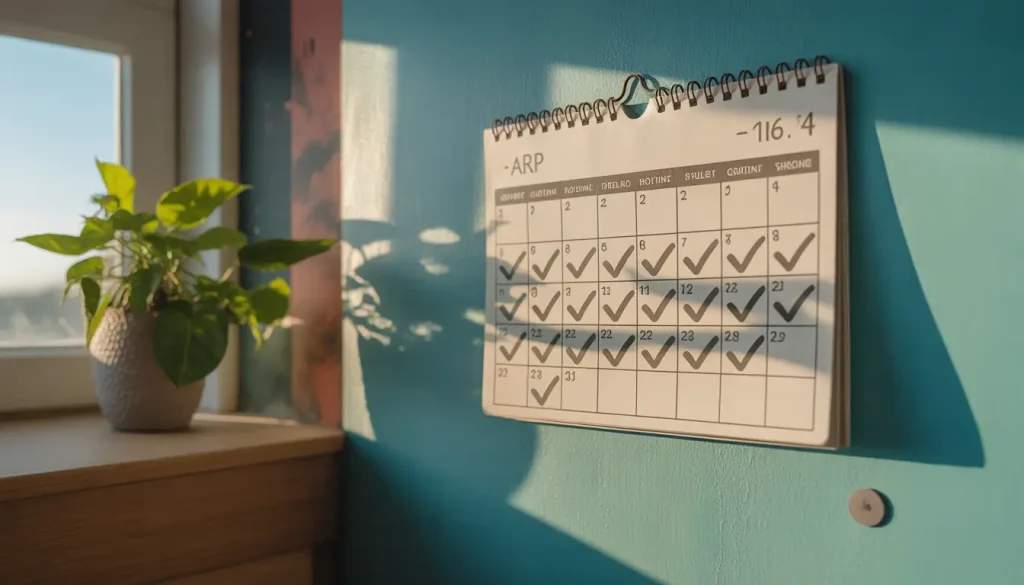
The final, and perhaps most crucial, aspect of a night routine for better sleep is consistency. The biology of the circadian rhythm thrives on regularity.
Social Jetlag
Many people maintain a strict routine Monday through Friday, waking up at 7 AM and sleeping at 11 PM. However, on Friday and Saturday, they might stay up until 2 AM and sleep until 10 AM. This creates a phenomenon known as “social jetlag.”
By shifting your sleep window by several hours, you confuse your biological clock. Come Sunday night, your body is not ready to sleep at 11 PM because, biologically, you have shifted your time zone. This leads to the dreaded “Sunday Scaries” and a groggy Monday morning.
The Anchor Point
While it is unrealistic to expect perfect adherence every single day, try to keep your wake-up time consistent, even on weekends. If you stay up late, still wake up close to your normal time and perhaps take a short nap (20 minutes) in the early afternoon to compensate. This preserves the integrity of your circadian rhythm and makes your night routine for better sleep effective all week long.
Essential Tools for Your Routine (Non-Commercial):
You do not need expensive gadgets to fix your sleep, but a few tools can help optimize your environment for a night routine for better sleep.
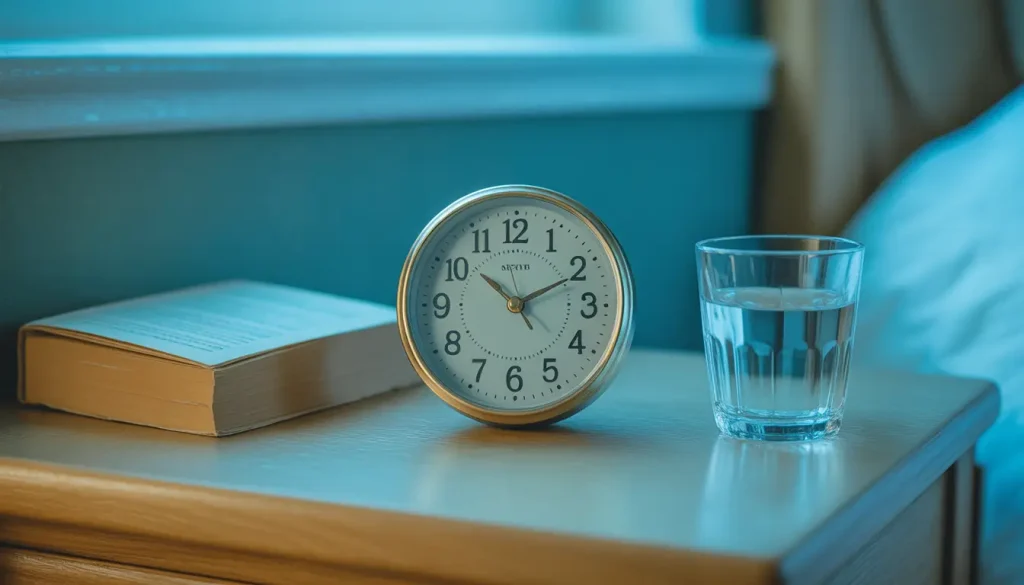
- Analog Alarm Clock: Moving your phone out of the bedroom is one of the best moves you can make. An old-school analog clock removes the temptation to scroll if you wake up in the middle of the night.
- Blackout Solutions: If you live in a city or have streetlights nearby, blackout curtains or a comfortable, contoured sleep mask are essential. Darkness signals the brain to maintain sleep.
- White Noise: If you are sensitive to sound, a simple fan or a dedicated white noise machine can create a sound buffer. The steady hum masks sudden noises (like a car door slamming) that might otherwise startle you awake.
- Flux / Night Shift: Install software on your computer (like flux) or use the built-in “Night Shift” on your phone to automatically warm the colors of your screen after sunset.
Real Stories: Finding the Rhythm
Case Study 1: The “Always On” Executive Sarah, a 34-year-old graphic designer, struggled with racing thoughts. Her job required high creativity and screen time. She would work until 10 PM and then try to sleep immediately, leading to hours of tossing and turning. By implementing a “buffer zone,” she changed her trajectory. She set a hard stop for work at 8 PM. From 8:00 to 9:00, she prepped her meals for the next day. From 9:00 to 10:00, she switched to reading paperbacks under a warm lamp. Within three weeks, her sleep onset latency (time to fall asleep) dropped from 90 minutes to 20 minutes.
Case Study 2: The Weekend Warrior Mark, a 28-year-old teacher, slept well during the week but ruined his progress every weekend by gaming until 3 AM. He suffered from severe brain fog every Monday and Tuesday. He didn’t want to give up his gaming, but he compromised. He shifted his gaming to Saturday mornings and kept his Friday/Saturday night sleep times within one hour of his weekday schedule. The result was a massive improvement in his energy levels and mood throughout the entire week, proving that consistency is the key driver of a night routine for better sleep.
Frequently Asked Questions (FAQ):
Q: How long does it take for a night routine for better sleep to work?
A: Consistency is key. While some changes, like lowering the room temperature, can have an immediate effect, retraining your circadian rhythm generally takes about two weeks of consistent practice. Do not give up if you don’t see perfect results on night one.
Q: Can I drink water during my night routine?
A: Hydration is important, but drinking large amounts of water right before bed can lead to nocturia (waking up to urinate), which disrupts sleep cycles. Try to front-load your hydration earlier in the day and stop drinking fluids about 90 minutes before sleep.
Q: Does a night routine have to be the same every night?
A: The core pillars light, temperature, and timing should remain consistent. However, the specific activities can change. One night you might read, another you might stretch. As long as the activity is relaxing and avoids blue light, it fits the protocol.
Q: Is melatonin a good addition to a night routine?
A: Melatonin is a hormone, not a sedative. While it can be useful for shifting sleep phases (like with jet lag), it is not a long-term solution for insomnia. It is far more effective to trigger your body’s own natural melatonin production through light control (darkness) than to rely on supplements. Always consult a doctor before starting supplements.
Q: What if I wake up in the middle of the night?
A: This is normal. If you wake up, keep the lights off. Do not check your phone. If you cannot fall back asleep after 20 minutes, get out of bed and do something boring in dim light (like reading a manual or folding laundry) until you feel sleepy again. This prevents your brain from associating the bed with wakefulness.
Q: Should exercise be part of a night routine for better sleep?
A: Light physical activity can support a healthy night routine, but timing matters. Gentle stretching, slow yoga, or a short walk in the evening can help release muscle tension. However, intense workouts (such as HIIT or heavy weight training) should be avoided within 2–3 hours of bedtime, as they raise cortisol levels and core body temperature, which can delay sleep onset
Q: What should I do if I follow a night routine but still can’t fall asleep?
A: If you are unable to fall asleep after about 20–25 minutes, avoid forcing it. Get out of bed, keep the lights dim, and engage in a low-stimulation activity such as reading a physical book. This prevents your brain from associating the bed with stress or frustration. With consistent practice, this approach usually improves sleep onset over time.
Final Verdict:
Building a night routine for better sleep is one of the highest-ROI investments you can make for your health. It is not about rigid perfection; it is about respecting your biology. By controlling your light exposure, managing your temperature, and creating a buffer between your busy day and your rest, you provide your body with the safety signals it needs to enter deep, restorative sleep.
Start small. Pick two changes from this guide perhaps the lighting adjustment and the “brain dump” and stick to them for a week. Your brain is waiting for the signal to rest; you just have to give it.