


The 90-Minute Focus Method: Mental Focus Techniques That Stick
Key Takeaways:
- Counter-Intuitive Insight: Visual focus drives mental focus; staring at a fixed point for 30 seconds can physically trigger the brain to enter a state of alertness.
- Specific Timeframe: The brain can only maintain peak high-intensity focus for approximately 90 minutes (an Ultradian cycle) before needing a reset.
- Simple Habit: Reducing the size of your visual field (e.g., wearing a hoodie or cap) creates “tunnel vision” that biologically lowers distraction.
- Realistic Effort: True focus is a metabolic expense; expect to feel fatigued after a deep work session this is a sign of effective neural effort.
If you want to apply these mental focus techniques immediately, start with a simple 3-step reset: first, anchor your gaze on a fixed point for 30 seconds, then work in a 90-minute ultradian sprint, and finish with a 20-minute recovery break using panoramic vision (no phone). This structure trains your brain to treat focus as a repeatable biological state not a motivational mood.
In an economy that trades on attention, the ability to concentrate is a competitive advantage. However, most people approach concentration as a matter of pure willpower, gritting their teeth to force productivity. This approach often leads to burnout because it ignores the underlying biology. True mastery of mental focus techniques requires understanding how your brain manages energy, processes visual input, and regulates alertness.
Focus is not an abstract concept; it is a physiological state involving specific neurochemicals like acetylcholine (for spotlighting information) and norepinephrine (for alertness). When you struggle to focus, it is rarely a character flaw it is often a misalignment between your environment and your biology.
In this guide, we will move beyond generic advice like “turn off your phone.” We will explore the neuroscience of attention, breaking down how to mechanically engage the prefrontal cortex and sustain deep work through evidence-based protocols.
Welcome to BioMindHub your space for practical guides on focus, digital wellness, and modern biohacking. If you want to reset your attention fast, start with our guide on dopamine detox benefits, then explore mental focus techniques to build deep work stamina, and finally learn how to simplify digital life for long-term clarity.
1. What Are the Core Biological Mental Focus Techniques?
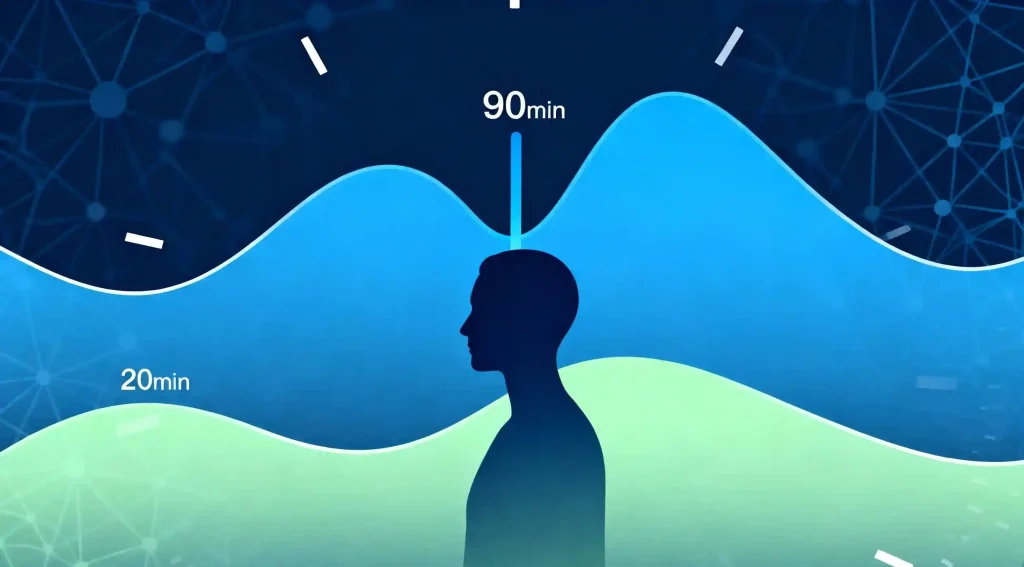
Effective mental focus techniques are behavioral protocols that align with the brain’s natural “Ultradian Rhythms” biological cycles of alertness that last approximately 90 minutes. By working in these defined blocks and leveraging the release of focus-enhancing neurochemicals like acetylcholine, individuals can maximize cognitive output without exhausting their neural resources or causing decision fatigue.
The Mechanism of Ultradian Rhythms:
The human body operates on various biological clocks. While most know the 24-hour circadian rhythm, fewer utilize “Ultradian Rhythms” cycles that occur throughout the day and night. During waking hours, these cycles involve roughly 90 minutes of peak alertness followed by a 20-minute period of lower energy.
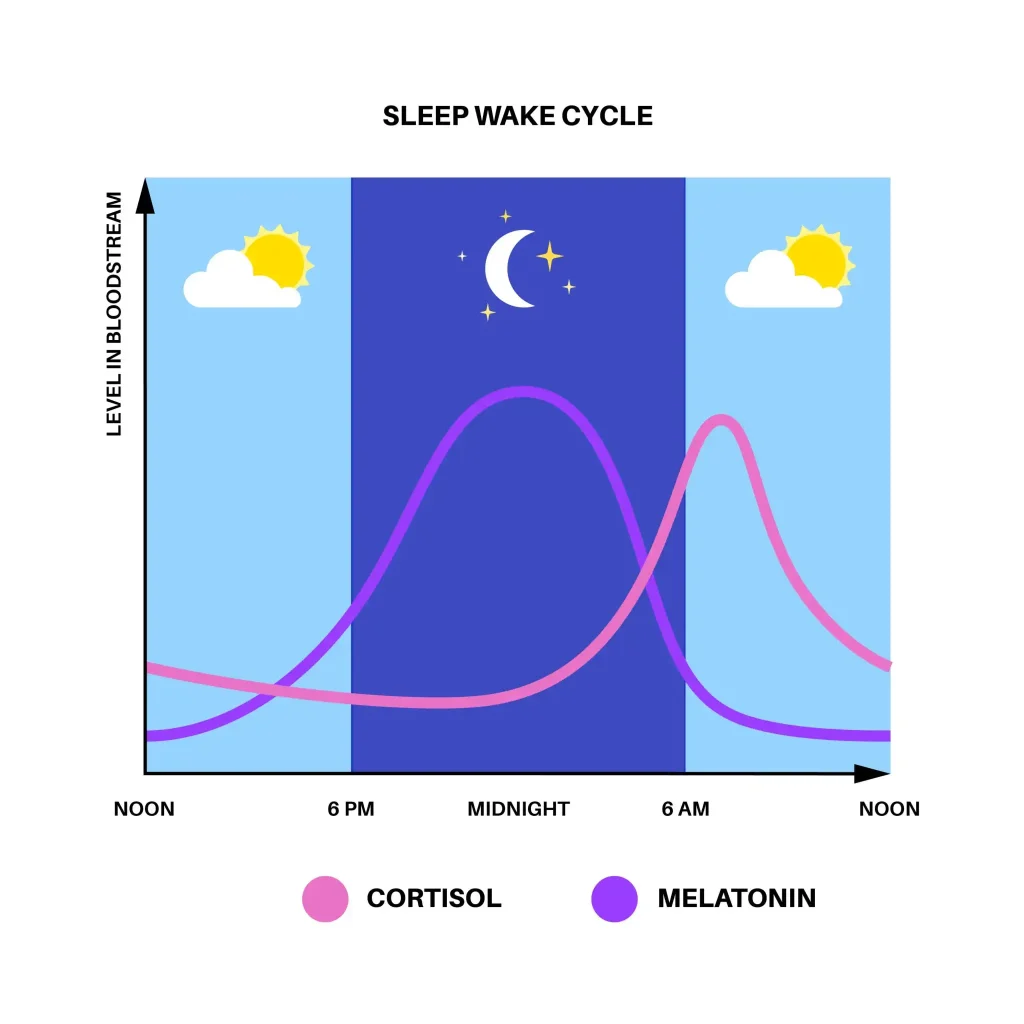
Attempting to push through these natural dips with caffeine or anxiety creates a “tired but wired” state. One of the most foundational mental focus techniques is simply mapping your work to these 90-minute waves. You initiate the cycle, ride the peak of high-frequency brain waves (Beta/Gamma), and then deliberately rest to replenish neurotransmitters.
Biological Importance of Rest Intervals:
The “drop” after 90 minutes is not a failure; it is a biological requirement. During intense focus, the brain consumes vast amounts of glucose and accumulates metabolic waste. The 20-minute rest period allows the brain to reset the sodium-potassium ratios in neurons, which are essential for firing electrical signals. Ignoring this creates “synaptic fatigue,” making subsequent focus significantly harder.
2. How Does Visual Gaze Control Mental Focus?

Visual gaze controls mental focus because the visual system and the cognitive alertness system are physically linked in the brain. Narrowing your visual field (focal vision) triggers the release of norepinephrine in the brainstem, alerting the nervous system to pay attention. Conversely, panoramic vision (soft gaze) relaxes the brain and disengages active focus.
The Overt-Covert Attention Link
Neuroscience has established a direct link between where you look and how you think. “Overt attention” (moving your eyes) drives “covert attention” (mental focus). When you fixate your gaze on a single pointa sentence on a screen or a specific object you suppress “saccades,” which are micro-movements of the eyes.
Stabilizing these eye movements sends a signal to the brainstem to anchor attention. One of the most potent mental focus techniques is a “warm-up” where you stare at a specific target for 30–60 seconds before starting work. This physically engages the neural circuitry required for sustained concentration.
Reducing Visual Noise
The brain processes visual data constantly. Peripheral motion acts as a “bottom-up” distraction, pulling attention away from your “top-down” goals. This is why working in a busy cafe can be difficult unless you narrow your field of view. By physically restricting peripheral vision using a hood, a cap, or simply facing a wall you lower the processing load on the visual cortex, freeing up energy for cognitive tasks.
3. Why Does Managing Autonomic Arousal Improve Focus?

Managing autonomic arousal improves focus because the brain requires a specific level of physiological alertness (not too calm, not too stressed) to perform. This balance, regulated by the autonomic nervous system, ensures that the prefrontal cortex has enough norepinephrine to remain engaged without crossing into panic or anxiety, which shuts down complex thinking.
The Goldilocks Zone of Arousal:
Focus requires energy. Biologically, you need the sympathetic nervous system (the “fight or flight” system) to be slightly activated to release norepinephrine (adrenaline) in the brain. This chemical creates the sensation of urgency and alertness. However, too much leads to anxiety; too little leads to drowsiness.
Effective mental focus techniques involve self-regulation. If you are too sluggish, rapid breathing (hyperventilation) can increase alertness. If you are too anxious to focus, slow, rhythmic breathing can lower arousal. You are essentially using your breath to dial your nervous system into the optimal zone for work.
Neurochemical Modulation:
Beyond norepinephrine, the brain needs acetylcholine to “mark” specific neurons for processing. This happens when we consciously direct our attention. The combination of high alertness (norepinephrine) and directional focus (acetylcholine) creates the state of neuroplasticity the ability to learn and retain information. Without this autonomic balance, the chemical cocktail required for deep work is never synthesized.
4. How Does Reducing Cognitive Load Boost Concentration?

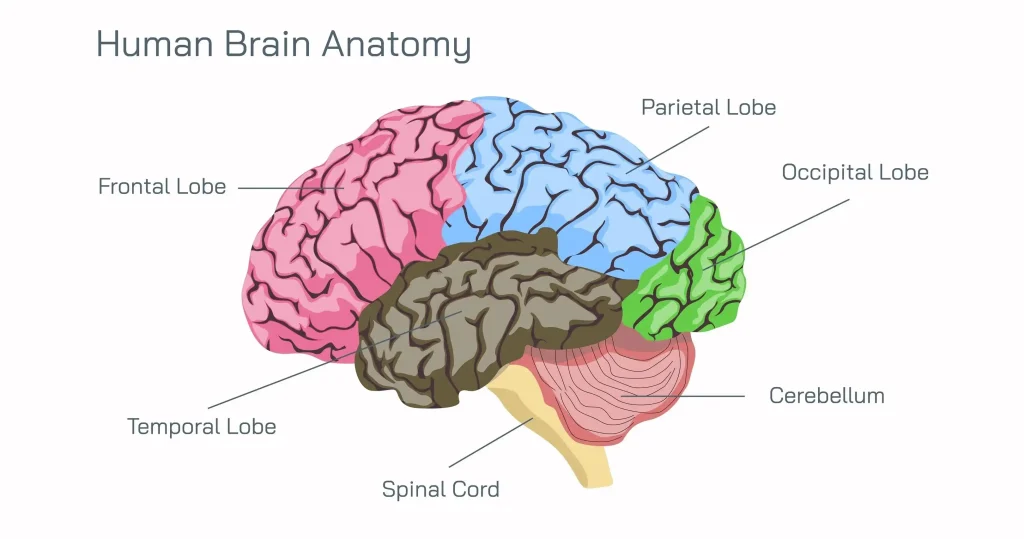
Reducing cognitive load boosts concentration by preventing the “working memory” from becoming overwhelmed. The prefrontal cortex has a limited capacity for holding information at one time. By externalizing tasks, minimizing multitasking, and clearing the environment, you preserve neural energy for the singular task at hand, increasing processing speed and accuracy.
The Bottleneck of Working Memory:
Working memory is like the RAM in a computer; it is temporary and finite. Research suggests we can only hold about 4 to 7 “units” of information at once. If you are trying to focus on writing a report but are also keeping a mental to-do list, monitoring slack notifications, and ignoring background noise, you are occupying those slots.
One of the most practical mental focus techniques is “attentional residue” management. Every time you switch tasks, a residue of your attention remains on the previous task. By single-tasking, you prevent this leakage, ensuring 100% of your working memory is applied to the current objective.
Friction and Task Initiation:
The metabolic cost of starting a task is higher than continuing it. This is why “activation energy” is crucial. If your workspace is cluttered or your digital desktop is disorganized, the brain perceives high “friction” and resists focusing. Lowering cognitive load involves preparing your environment before you need to focus, so the transition into work is seamless and demands minimal executive function.
5. Why Is Deep Sleep Critical for Mental Focus?

Deep sleep is critical for mental focus because it is the only time the brain clears metabolic waste products (like adenosine) that cause mental fatigue. Furthermore, sleep is when neuroplasticity solidifies; the connections formed during a focused work session are strengthened and “saved” during REM and Slow Wave Sleep, making future focus on similar tasks easier.
The Glymphatic System Function:
During waking hours, your brain cells swell, and metabolic waste accumulates. This waste eventually creates a “sleep pressure” that fogs cognitive abilities. During deep sleep, brain cells shrink by up to 60%, allowing cerebrospinal fluid to wash through the tissue via the glymphatic system, flushing out toxins.
Without this “nightly wash,” neural firing becomes sluggish. No amount of caffeine or mental focus techniques can override the biological reality of a waste-filled brain. Prioritizing sleep quantity and consistency is the foundational layer of cognitive performance.
For deeper reading on how sleep affects attention, memory, and cognitive performance, you can review sleep and brain health resources from Harvard Health and evidence-based summaries published through NIH (PubMed). These references reinforce why deep sleep is not optional for sustained concentration it is the biological reset your focus depends on.
Replenishing Neurotransmitters:
Dopamine, the molecule of motivation, is replenished during quality sleep. If you are sleep-deprived, your baseline dopamine levels drop, making the effort required to focus feel insurmountable. You become more impulsive and less capable of the “top-down” control needed to ignore distractions. Sleep restores the “brakes” of your brain.
6. What Role Does Physiological State Play in Focus?

Physiological state plays a decisive role in focus because the brain consumes 20% of the body’s glucose and is highly sensitive to hydration and oxygen levels. Stabilizing blood sugar prevents energy crashes that kill concentration, while adequate hydration ensures optimal electrical transmission between neurons, preventing “brain fog.”
Glucose and Decision Fatigue
The brain does not store energy well; it relies on a steady stream of glucose from the bloodstream. High-sugar meals cause a spike followed by a rapid crash (reactive hypoglycemia), which starves the brain of fuel, leading to an immediate loss of focus.
Optimal mental focus techniques regarding nutrition involve consuming complex carbohydrates or healthy fats that provide a slow, sustained release of energy. This keeps the “engine” of the prefrontal cortex running smoothly without the stuttering caused by blood sugar volatility.
Hydration and Cognitive Performance
Even mild dehydration (1-2%) has been shown to impair cognitive performance and attention span. Water is essential for the production of hormones and neurotransmitters. When dehydrated, the brain physically shrinks slightly and has to work harder to perform the same tasks. Keeping water visible and accessible is a “low-tech” but high-impact focus intervention.
Mental Focus Techniques Timeline (Instant vs Daily Results)
This table breaks down different techniques based on the time horizon of their effectiveness.
| Technique Category | Specific Protocol | Mechanism of Action | Time to Effect |
| Immediate (Acute) | Visual Gaze Anchoring | Triggers Norepinephrine (Alertness). | 30–60 Seconds |
| Session (90 Mins) | Ultradian Cycles | Aligns with metabolic energy waves. | 90 Minutes |
| Baseline (Chronic) | Sleep & Hydration | Glymphatic clearance & cell function. | 24 Hours+ |
| Environmental | Phone Removal/Hoodie | Reduces “Bottom-Up” visual load. | Immediate |
Low-Tech Tools for High Focus
Here is the expanded and scientifically detailed Tools & Resources section for the Mental Focus Techniques article.True focus is not bought; it is engineered. These tools are behavioral protocols designed to interact directly with your physiology. They function by modulating your sensory input (visual and auditory) and regulating your autonomic nervous system to favor deep concentration.
1. Visual Blinders (The “Hoodie Effect”)
- What it is: The simple act of wearing a hooded sweatshirt, a baseball cap, or using physical partitions to narrow your field of view while working.
- The Biological Mechanism: The eyes are the primary aperture for the brain’s alertness system. Peripheral vision is designed to detect motion and potential threats (a “bottom-up” attention driver). By physically blocking peripheral input, you reduce the processing load on the visual cortex. This creates a “tunneling” effect that signals the brainstem to suppress distraction and lock attention onto the singular object in front of you (the screen).
2. 40Hz Binaural Beats or Brown Noise
- What it is: Listening to audio that pulses at 40 cycles per second (40Hz) or deep, low-frequency static (Brown Noise) through headphones.
- The Biological Mechanism: 40Hz frequency is associated with Gamma brain waves, which are dominant during states of high-level problem solving and cognitive binding (connecting different ideas).
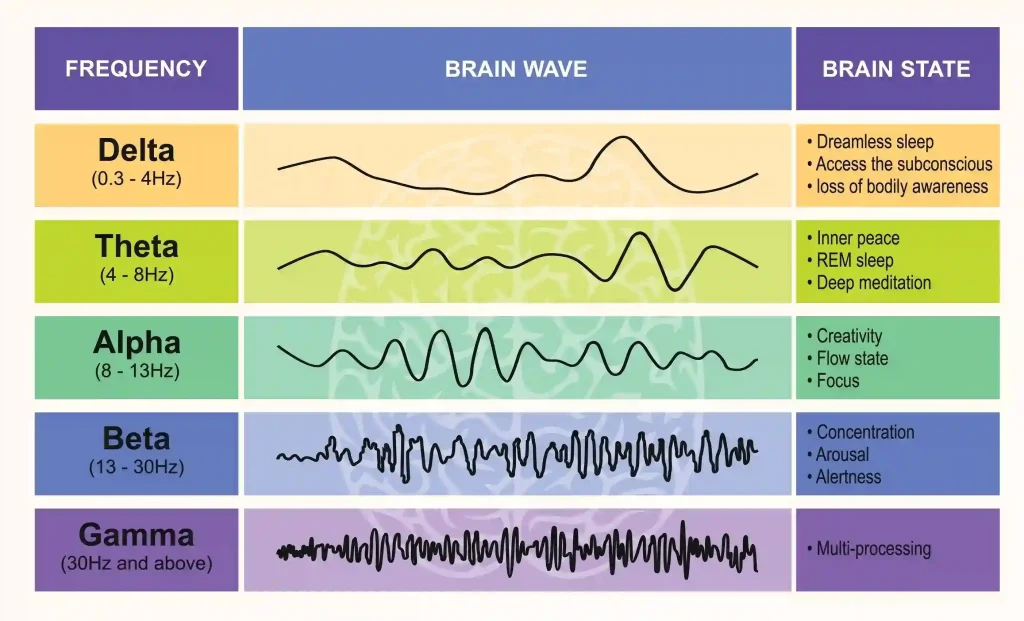
Listening to this frequency can promote “neural entrainment,” encouraging your brain activity to align with this focused state. Brown noise, conversely, masks jarring background sounds, preventing the “startle response” that spikes cortisol and breaks focus.
3. The “Visual Anchor” Warm-Up
- What it is: Before starting a work session, stare at a specific point (a dot on the wall or a specific icon) for 30–60 seconds without moving your eyes or blinking excessively.
- The Biological Mechanism: This leverages the link between the oculomotor system and the locus coeruleus (a brain area that manufactures norepinephrine). “Overt” focus (eyes) drives “covert” focus (mind). By forcing visual stillness, you trigger the release of acetylcholine (for focus) and norepinephrine (for alertness), chemically priming the neural circuits for the task ahead. It acts as a “start button” for concentration.
4. The Physiological Sigh (Respiratory Reset)
- What it is: A breathing pattern consisting of two quick inhales through the nose (to fully inflate the lungs) followed by one long, extended exhale through the mouth.
- The Biological Mechanism: When you lose focus, it is often due to an imbalance in autonomic arousal (feeling too agitated or too sleepy). The physiological sigh offloads carbon dioxide efficiently and physically stretches the alveoli in the lungs. This signals the heart to slow down slightly via the vagus nerve, rapidly resetting the nervous system to a state of calm alertness suitable for executive function.
5. Analog “Time Horizon” Tools
- What it is: Using a physical sand timer or a mechanical kitchen timer rather than a phone timer.
- The Biological Mechanism: This externalizes “working memory.” If you check your phone to see how much time is left, you risk seeing a notification (a distractor). A physical timer provides a visual representation of the passage of time without the risk of a dopamine trap. It allows the prefrontal cortex to offload the task of “monitoring time” so it can dedicate 100% of its energy to “processing information.”
Case Studies: Mental Focus Techniques That Worked:
The Coder’s 90-Minute Sprint James, a senior software engineer, struggled with afternoon burnout. He would drink three coffees by 2:00 PM but still find himself staring blankly at code. He switched to the Ultradian Rhythm method: 90 minutes of coding followed by a strictly enforced 20-minute break where he walked outside (no phone). He discovered that while he worked fewer total hours, his code output increased by 40%. The “wasted” time of the breaks was actually where his brain refreshed its capacity to solve complex logic puzzles.
The Student’s “Hoodie” Hack Maya, a medical student, found the library too distracting people walking by constantly broke her concentration. She started wearing a hoodie and putting on noise-canceling headphones (playing brown noise) to create a sensory deprivation bubble. She used the “visual gaze” technique, staring at a specific word on the page for 30 seconds before starting to study. This ritual conditioned her brain to enter “study mode” almost instantly, reducing the time it took her to get into the flow state from 20 minutes to just a few minutes.
(Note: Names and identifying details have been adjusted to preserve privacy while maintaining biological accuracy)
Frequently Asked Questions (FAQ):
Q: Does caffeine actually help with mental focus techniques?
A: Yes, but timing matters. Caffeine blocks adenosine (the sleepiness chemical) and increases dopamine/norepinephrine. However, it takes 15–30 minutes to kick in. The best protocol is to delay intake 90 minutes after waking to avoid a mid-afternoon crash, and stop 8–10 hours before sleep to protect deep rest.
Q: Can I train my focus like a muscle?
A: Absolutely. Neuroplasticity means the brain changes in response to effort. Every time you feel the urge to check your phone but resist and return your attention to your work, you are physically strengthening the neural circuits in the prefrontal cortex responsible for impulse control.
Q: Is background music good for focus?
A: It depends on the music. Music with lyrics is generally detrimental to verbal tasks (reading/writing) because it competes for language processing in the brain. Instrumental music, classical, or 40Hz binaural beats are superior options for sustaining concentration without cognitive interference.
Q: Why do I lose focus after lunch?
A: This is often due to the “post-prandial dip.” A heavy meal rich in simple carbs shifts blood flow to the digestive system and spikes insulin, leading to lethargy. A lighter, protein-and-fat-focused lunch can mitigate this drop in alertness.
Q: How do I restart if I get distracted?
A: Don’t panic or scold yourself. Use a physiological reset: take a double inhale through the nose and a long exhale through the mouth (physiological sigh). Then, re-anchor your gaze on your work for 15 seconds. This quickly resets the autonomic nervous system.
Final Verdict:
Mastering mental focus techniques is not about forcing your brain to work against its nature; it is about engineering your day to work with your biology. By respecting your ultradian rhythms, managing your visual environment, and prioritizing the recovery of your neurochemistry, you can achieve states of deep work that feel sustainable rather than draining. Focus is a skill, and like any skill, it responds to the right training protocols.