
Cold Exposure for Stress Relief: The Science of Calming Your Nervous System
Key Takeaways:
- Biological Efficiency: Just 11 minutes of total weekly cold exposure is the science-backed threshold for metabolic and mental health benefits.
- The Dopamine Factor: Cold exposure can lead to a 250% increase in dopamine levels that stays elevated for hours, providing a stable mood lift.
- Hormetic Resilience: Using controlled cold stress trains your brain to handle real-world emotional stress with greater composure.
- Simple Implementation: You don’t need expensive equipment; starting with a 30-second cold splash at the end of a shower is enough to trigger the response.
The modern world is designed for comfort, yet our internal biology is optimized for challenge. Most of us live in climate-controlled environments, rarely experiencing the thermal extremes that our ancestors faced daily. This lack of environmental challenge, combined with the “always-on” nature of digital life, has left our nervous systems in a state of chronic, low-level agitation. We are constantly in a “flight or fight” state, driven by notifications and deadlines, without any physical outlet to reset that stress.
Using cold exposure for stress relief is a targeted, biological intervention that forces the body to exit this chronic stress loop. By intentionally placing the body in a cold environment, we trigger a profound physiological “reboot” that lowers systemic inflammation and sharpens mental clarity. This isn’t a modern fad; it is the application of hormesis—the biological principle that small doses of stress make an organism stronger. According to the National Institutes of Health (NIH), short-term cold stress significantly alters the production of mood-regulating chemicals in the brain, offering a drug-free way to manage anxiety (Source: NIH). By the end of this guide, you will understand the deep biology of cold therapy and how to use it as a precision tool for mental well-being.
1.Understanding the Biology of Cold Exposure for Stress Relief:
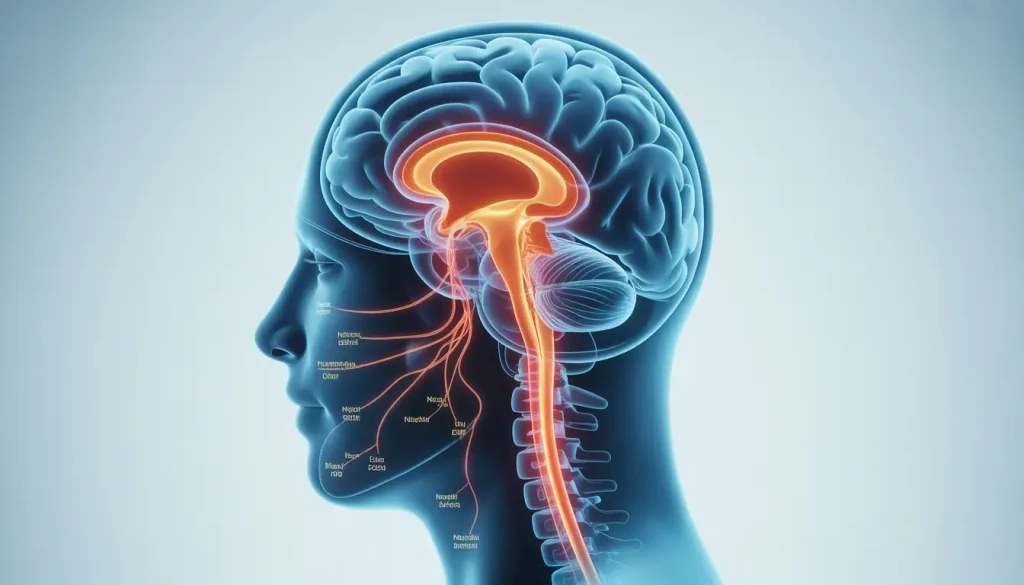
Cold exposure for stress relief works by activating the sympathetic nervous system, which triggers an immediate release of norepinephrine and endorphins. This “cold shock” forces the brain to focus on survival, effectively quieting the “background noise” of anxiety and lowering long-term cortisol levels.
The Cold Shock Response Mechanism
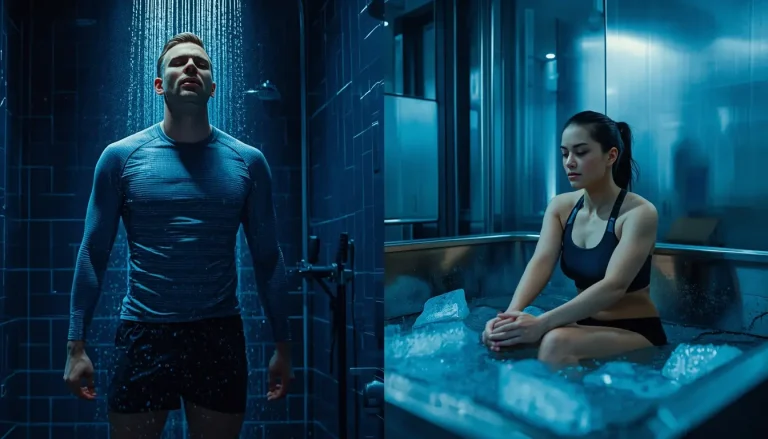
When you submerge yourself in cold water, your skin’s cold receptors send a massive electrical impulse to your brain. This triggers the “Cold Shock Response.” Physically, this causes an immediate gasp, an increased heart rate, and peripheral vasoconstriction where your blood vessels tighten to keep your core warm. While this sounds stressful, it is actually a “reset” for your nervous system. By forcing this acute response in a controlled environment, you are teaching your body how to recover from stress quickly.
The Role of Norepinephrine and Dopamine
The primary benefit of cold exposure for stress relief comes from the chemical cocktail it releases. Unlike the spike of adrenaline you get from a scary movie, the cold causes a massive, sustained increase in norepinephrine. This neurotransmitter is responsible for focus and emotional regulation. Simultaneously, dopamine levels rise significantly. Unlike the fleeting dopamine hits from social media, the dopamine from cold exposure rises slowly and stays elevated for hours, contributing to a sense of calm confidence and improved mood throughout the day.
At a foundational level, stress regulation, recovery, and metabolic resilience all fall under the broader framework of cold exposure therapy, where deliberate cold stress is used to retrain the nervous system, improve hormonal balance, and strengthen long-term stress tolerance through biological adaptation.
2.Hormetic Stress: Training the Brain for Resilience:
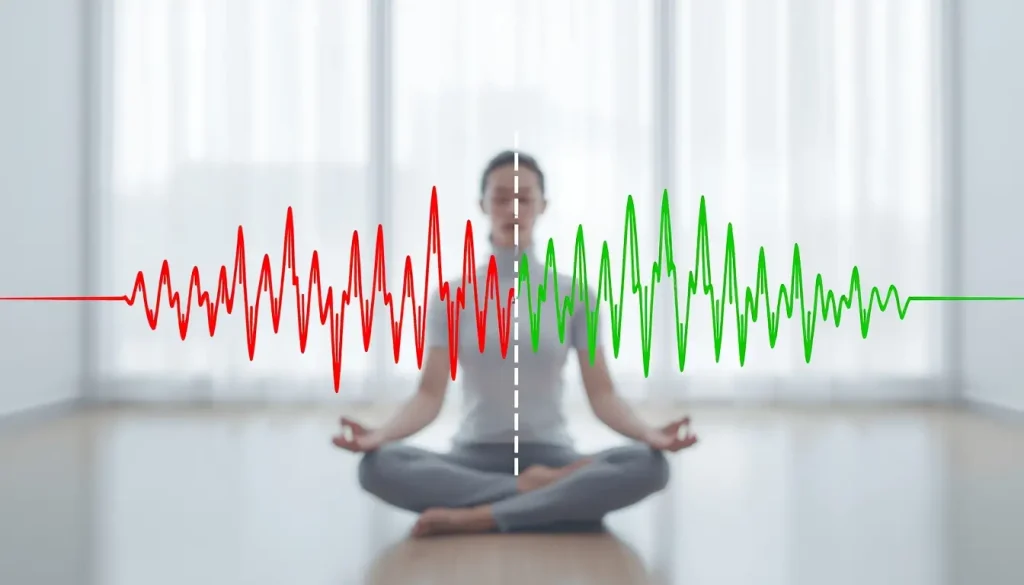
Hormesis is the biological process where a brief, controlled stressor stimulates the body to adapt and become more resilient to future stressors.
Why “Good Stress” Lowers Anxiety
Chronic stress is destructive because it never ends; it wears down the body’s resources. Hormetic stress, like cold exposure, is the opposite. It is intense, brief, and purposeful. When you practice cold exposure for stress relief, you are essentially putting your nervous system in “gym class.” You are exposing it to a manageable amount of stress so that when “real” stress happens like a difficult conversation at work your body doesn’t overreact.
Cellular Autophagy and Inflammation
Beyond the brain, cold exposure affects your cells. It stimulates a process called autophagy, where your body cleans out damaged cells to make room for healthier ones. Chronic stress is often linked to systemic inflammation. By exposing the body to cold, you trigger the production of anti-inflammatory cytokines. This reduction in physical inflammation is closely linked to a reduction in psychological symptoms of depression and anxiety, as noted by Harvard Health.
While this guide focuses on mental resilience, the same biological stress adaptation applies to physical repair. Strategic cold use is widely applied in sports science, where cold exposure for muscle recovery helps regulate inflammation, nervous system fatigue, and post-exercise stress load through controlled vasoconstriction and parasympathetic activation.
Cold Exposure vs Common Stress Relief Methods: A Biological Comparison
| Feature | Cold Exposure | Meditation | Light Exercise |
| Primary Mechanism | Hormetic/Chemical Reset | Mindfulness/Breathing | Endorphin Release |
| Time Required | 2 – 5 Minutes | 10 – 20 Minutes | 30 – 60 Minutes |
| Primary Hormone | Norepinephrine/Dopamine | GABA/Serotonin | Endorphins |
| Longevity of Effect | 4 – 6 Hours | Variable | 2 – 3 Hours |
| Ease of Start | Moderate (Requires “grit”) | Hard (Requires focus) | Moderate (Requires time) |
3.The Vagus Nerve and the Mammalian Dive Reflex
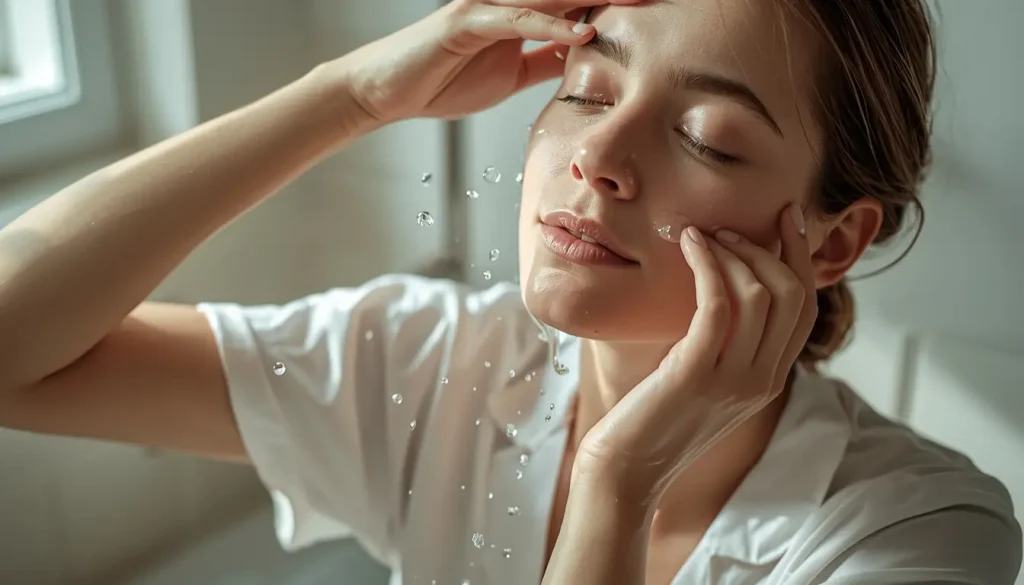
The vagus nerve is the “command center” of your parasympathetic nervous system, and cold exposure is one of the fastest ways to stimulate it.
Activating the “Diving Reflex”
Humans possess an ancient biological mechanism called the Mammalian Dive Reflex. When cold water (specifically below 50°F) touches your face, particularly the area around your eyes and nose, your heart rate immediately slows down. This is the vagus nerve in action. It signals to the heart and lungs to slow down to conserve oxygen. For someone experiencing a panic attack or high levels of daily stress, this reflex can act as an “emergency brake” for the nervous system.
Improving Vagal Tone
“Vagal tone” refers to how quickly your body can return to a state of calm after a stressor. People with high vagal tone recover quickly; people with low vagal tone stay “stressed” long after the event is over. Regular cold exposure for stress relief increases your vagal tone. By repeatedly triggering the dive reflex and then practicing calm breathing while in the cold, you are strengthening the neural pathways that allow you to relax on command.
4.Practical Protocols for Cold Exposure for Stress Relief:
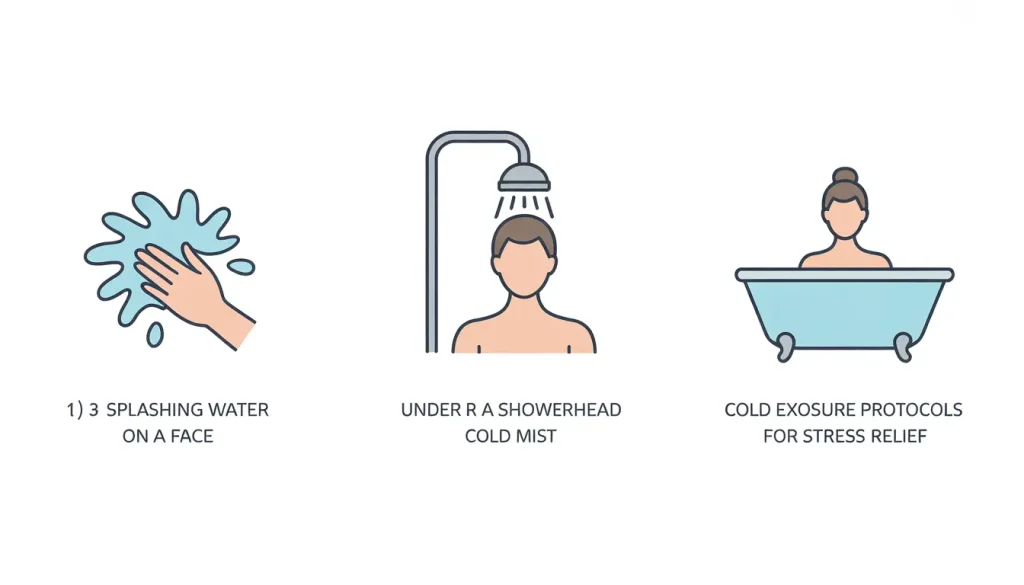
Successfully using cold therapy requires a progressive approach, moving from low-intensity face splashes to more advanced immersion techniques.
Beginner: The 30-Second Face Splash
This is the easiest way to start. Fill a bowl with cold water and ice, or simply use the coldest setting on your tap. Submerge your face (holding your breath) for 15–30 seconds. Repeat 3 times. This specifically targets the trigeminal nerve and the vagus nerve to provide an instant calming effect without requiring a full lifestyle change.
Intermediate: The Transition Shower
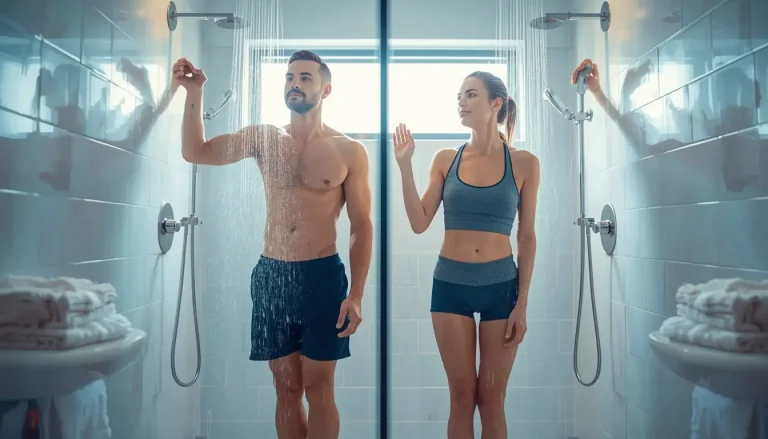
Start with a warm shower. In the last 30–60 seconds, turn the water completely to cold. The key is to keep your breath steady. If you find yourself hyperventilating, the water is too cold or the duration is too long. The goal is “calm under pressure.” Gradually increase this time until you can spend 2–3 minutes under the cold stream.
Advanced: Deliberate Cold Immersion (DCI)
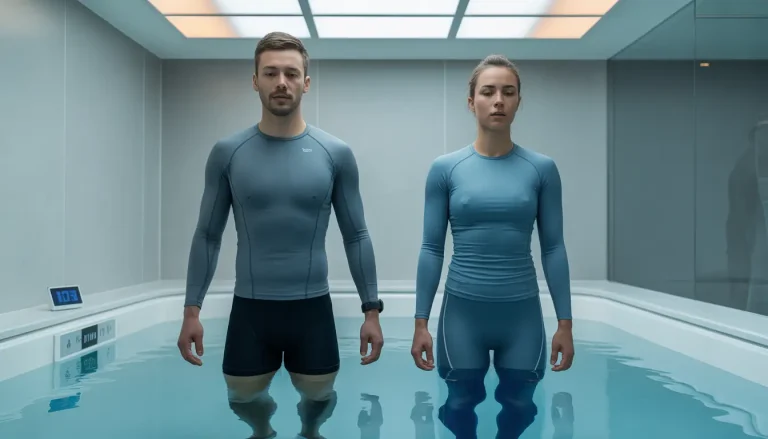
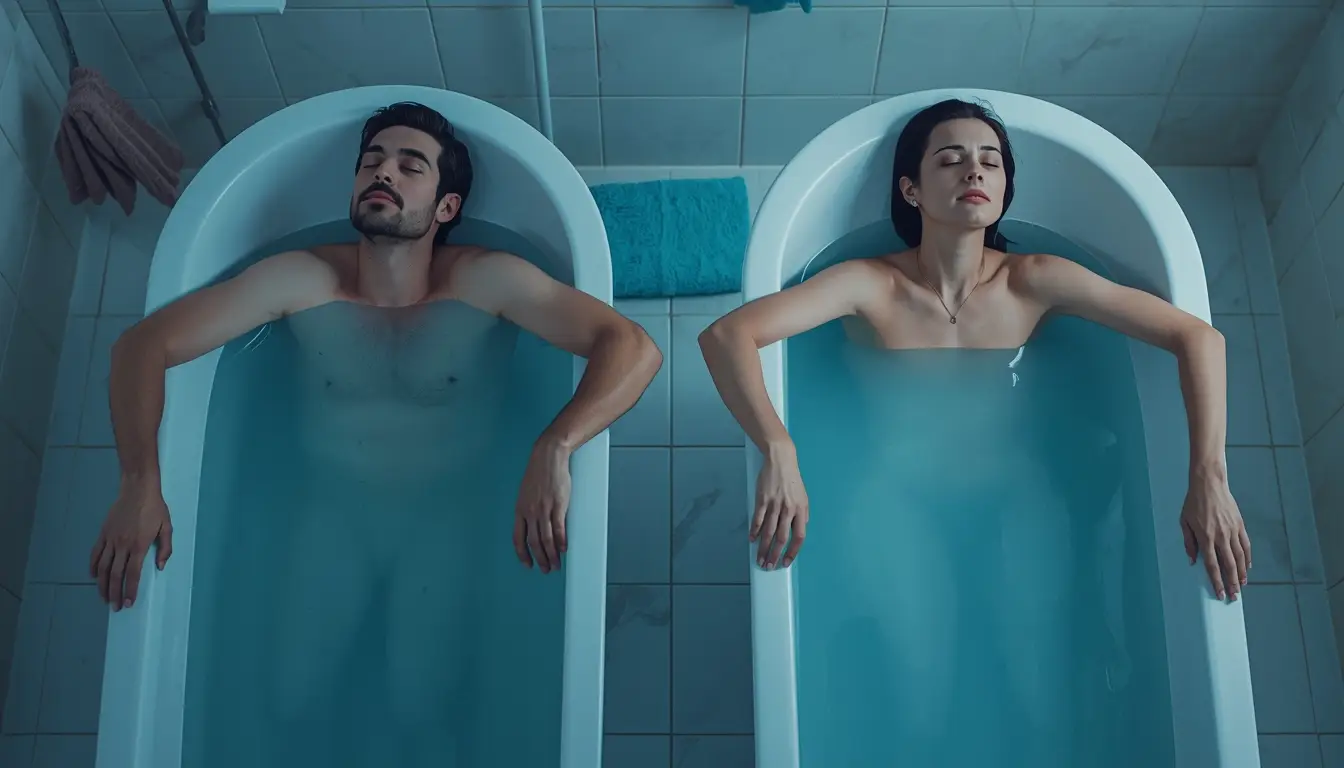
A full-body plunge in a tub or tank at 45°F–55°F is the most potent form of cold exposure for stress relief. Because the entire body is submerged, the norepinephrine release is maximized. For most people, 2 to 5 minutes is the “sweet spot.” According to the Mayo Clinic, these plunges can help with muscle recovery and mental fortitude, but they should always be done with a focus on safety and slow re-warming.
It is also important to understand that not all cold methods produce the same neurological outcome. The intensity, depth, and duration of exposure dramatically change the biological response. Our detailed comparison on cold showers vs ice baths results explains how immersion depth, hydrostatic pressure, and temperature thresholds influence stress relief, mood stability, and nervous system adaptation.
5. Mental Benefits and the “Breaking of the Loop”

The psychological benefit of cold exposure is the development of “top-down control,” where your logical mind learns to override your body’s panic signals.
Stopping Rumination:
Rumination the act of thinking about the same stressful thoughts over and over is a hallmark of chronic stress. Cold exposure is so physically demanding that it forces you into the present moment. It is nearly impossible to worry about your mortgage while you are submerged in 50-degree water. This “forced mindfulness” breaks the neural loop of rumination, giving your brain a much-needed break from repetitive stress.
Building Self-Efficacy:
Every time you complete a session of cold exposure for stress relief, you build a “win.” You prove to yourself that you can do something difficult and uncomfortable. This builds self-efficacy the belief in your ability to handle life’s challenges. Over time, this confidence spills over into other areas of your life. If you can handle a 3-minute ice bath, a difficult meeting or a long commute feels significantly less daunting.
Real-World Resilience:
The Burnout Recovery: “I was working 60 hours a week and felt like my brain was permanently ‘fried.’ I started with cold showers every morning. It was the only time during the day when my phone wasn’t ringing and my brain was forced to be quiet. After a month, the ‘brain fog’ lifted, and I felt like I had regained my ability to focus on one task at a time.” Anonymous Practitioner
The Anxiety Management: “I used to have midday panic attacks. My doctor suggested I try splashing my face with ice water when I felt the ‘heat’ of anxiety rising. It felt like a circuit breaker. The cold water would hit my face, my heart would slow down, and I could actually think clearly again. It’s my go-to tool for high-stress days now.” David, Software Developer
Tools & Resources for Tracking Progress
Using data to monitor your stress levels can help you refine your protocol. Note that these are for informational tracking only:
- Heart Rate Variability (HRV) Tracker: HRV is the best indicator of vagal tone. You should see your resting HRV increase as you get better at cold exposure.
- Water Thermometer: Essential for ensuring your water is actually cold enough to trigger the therapeutic response (aim for sub-60°F).
- Guided Breathwork Apps: Using a timer or a guide to maintain a 4-7-8 breathing pattern helps you manage the initial cold shock.
- Thermal Layering: For post-exposure, having a heavy robe or “dry robe” helps the body re-warm naturally without the need for an immediate hot shower.
Frequently Asked Questions (FAQ):
Q: Is cold exposure for stress relief safe for everyone?
A: While generally safe for healthy individuals, it causes a sharp increase in blood pressure and heart rate. People with cardiovascular issues, high blood pressure, or respiratory conditions should consult a doctor first.
Q: How cold does the water actually need to be?
A: The water doesn’t need to be freezing. For most people, the therapeutic range is between 45°F and 60°F. The goal is “uncomfortably cold,” not “painful.”
Q: Can I just use a cold compress on my neck?
A: Yes, applying a cold compress to the sides of the neck (vagus nerve) or the forehead (trigeminal nerve) can provide a mild calming effect, though it is less potent than full-body immersion.
Q: Why do I feel tired after a cold plunge?
A: This is often a “parasympathetic rebound.” After the high-intensity stress of the cold, your body moves deeply into a relaxation state. This is why many people find they sleep better after a cold session.
Q: Does cold exposure lower cortisol?
A: In the short term, it raises cortisol (it is a stressor). However, long-term practitioners show a significant decrease in resting cortisol levels and a more efficient stress response system.
Final Verdict:
Integrating cold exposure for stress relief into your life is a journey of reclaiming control over your biology. It is not about enduring pain, but about inviting a managed challenge to strengthen your mind and body. By using the science of norepinephrine, vagal tone, and hormesis, you can turn a simple cold shower into a sophisticated tool for mental clarity and emotional resilience. Start with 30 seconds, focus on your breath, and watch your stress resilience transform.
Save this guide and return when you need a fast, biology-based reset for stress without pills or guesswork.