

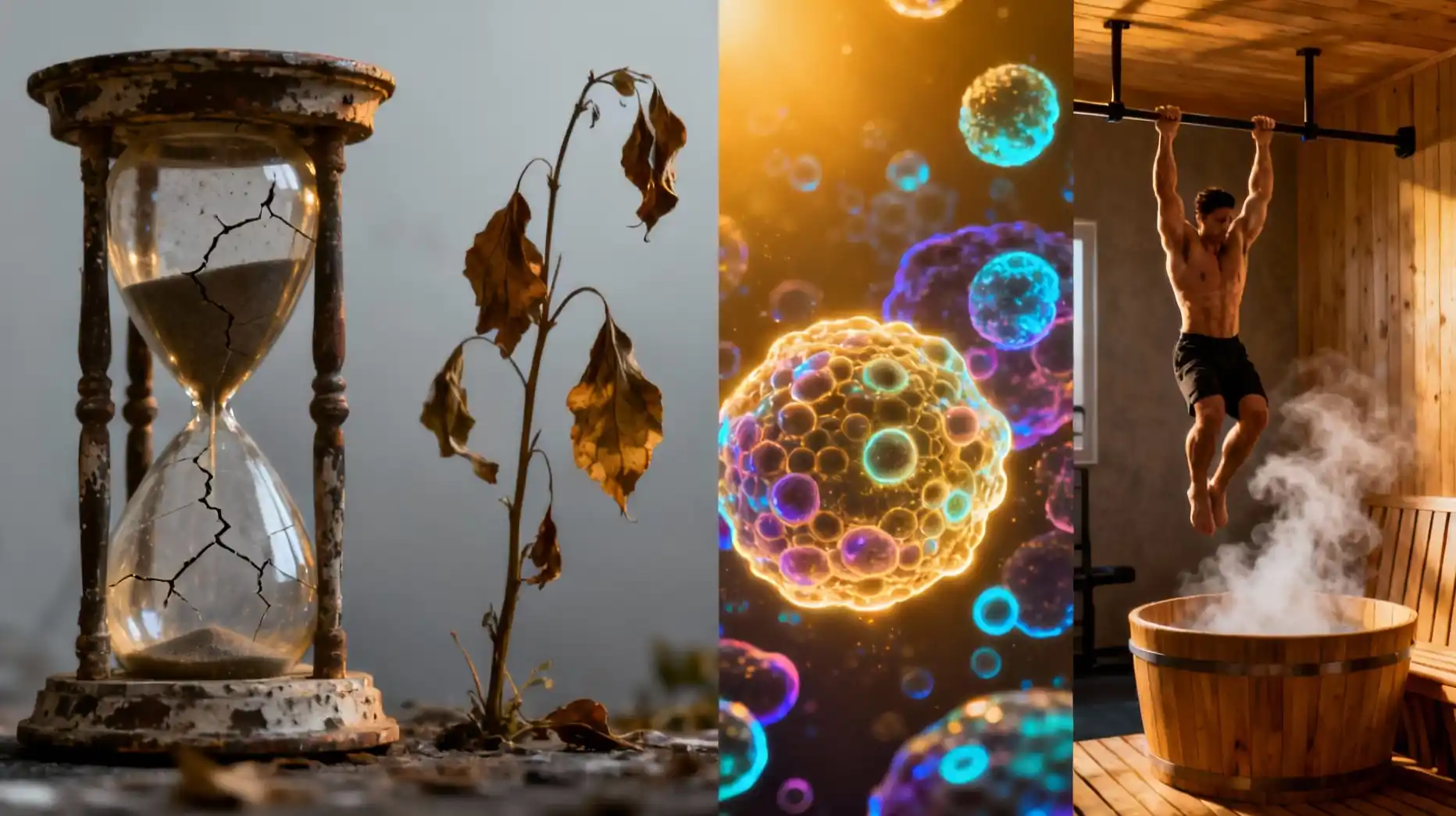
How to Slow Down Aging Naturally (Improve Your Healthspan)
Key Takeaways:
- Counter-Intuitive Insight: Comfort is the enemy of longevity; the body needs “hormetic stress” (like heat, cold, or hunger) to trigger repair genes.
- Specific Timeframe: It takes approximately 12–16 hours of fasting to trigger autophagy, the cellular cleanup process essential for anti-aging.
- Simple Habit: Grip strength is one of the strongest biomarkers for longevity; simply hanging from a bar can improve this metric.
- Realistic Effort: You cannot stop chronological aging, but you can reverse biological aging markers within 3–6 months of lifestyle intervention.
If you want to start slowing aging immediately, focus on three daily signals: move your body, eat within a consistent time window, and protect your sleep environment. These behaviors send powerful biological messages that activate repair pathways and reduce cellular stress without requiring supplements or expensive therapies.
We often view aging as an inevitable decline a passive slide into frailty. However, modern biology distinguishes between chronological age (the number of years you have been alive) and biological age (the rate at which your cells are degrading).Clinical explanations from the Cleveland Clinic clearly distinguish between chronological age and biological aging processes. While you cannot change your birth year, science confirms that you can influence the speed of your cellular decay. Learning to slow down aging naturally is not about vanity; it is about extending your “healthspan” the number of years you spend in good health, free from chronic disease.
Research from Harvard Health explains how lifestyle signals influence biological aging and long-term healthspan.
The mechanisms of aging are well-documented. They involve the shortening of telomeres (caps on DNA), the accumulation of “zombie” cells (senescence), and the decline of mitochondrial energy. The good news is that these processes are responsive to environmental signals.
In this guide, we will explore the biological levers you can pull without expensive supplements or therapies to signal your body to repair itself, protect its DNA, and maintain vitality well into later life.
Welcome to our biohacking and digital wellness hub, your space for practical guides on longevity, focus, digital wellness, and modern biohacking. If you want to protect your healthspan and build habits that slow aging naturally, explore our core guides inside the Biohacking Lab and Digital Zen sections.
1. What Does It Mean to Slow Down Aging Naturally?
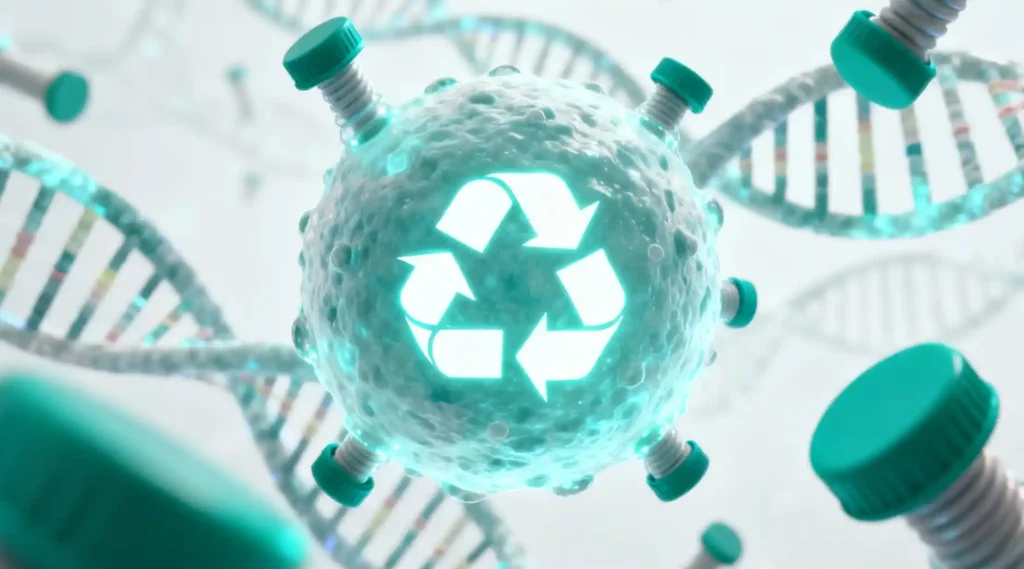
To slow down aging naturally means to intervene at the cellular level to delay the onset of the “Hallmarks of Aging.” This involves optimizing the body’s repair systems specifically autophagy and DNA maintenance to prevent the accumulation of cellular damage that leads to tissue failure, cognitive decline, and chronic inflammation.
Slowing down aging means reducing the rate of biological damage inside your cells not stopping time itself. This includes protecting DNA integrity, reducing chronic inflammation, improving mitochondrial energy production, and clearing damaged cells through processes like autophagy. The goal is not to live forever, but to extend healthspan the years of life spent energetic, mobile, and disease-free.
The Role of Autophagy (Cellular Cleanup)
Autophagy (literally “self-eating”) is the body’s internal recycling program. Over time, cells accumulate damaged proteins and organelles. If left unchecked, this “trash” leads to dysfunction.
- Waste Removal: Autophagy identifies and breaks down these damaged components.
- Energy Efficiency: It recycles these broken parts into new amino acids and energy for healthy cells.
- Senescence Prevention: By clearing out debris, autophagy prevents cells from becoming “senescent” (zombie cells that secrete inflammatory chemicals).
Protecting Telomeres
Telomeres are the protective caps at the end of our chromosomes, often compared to the plastic tips on shoelaces. Every time a cell divides, telomeres get shorter. When they get too short, the cell dies or malfunctions.
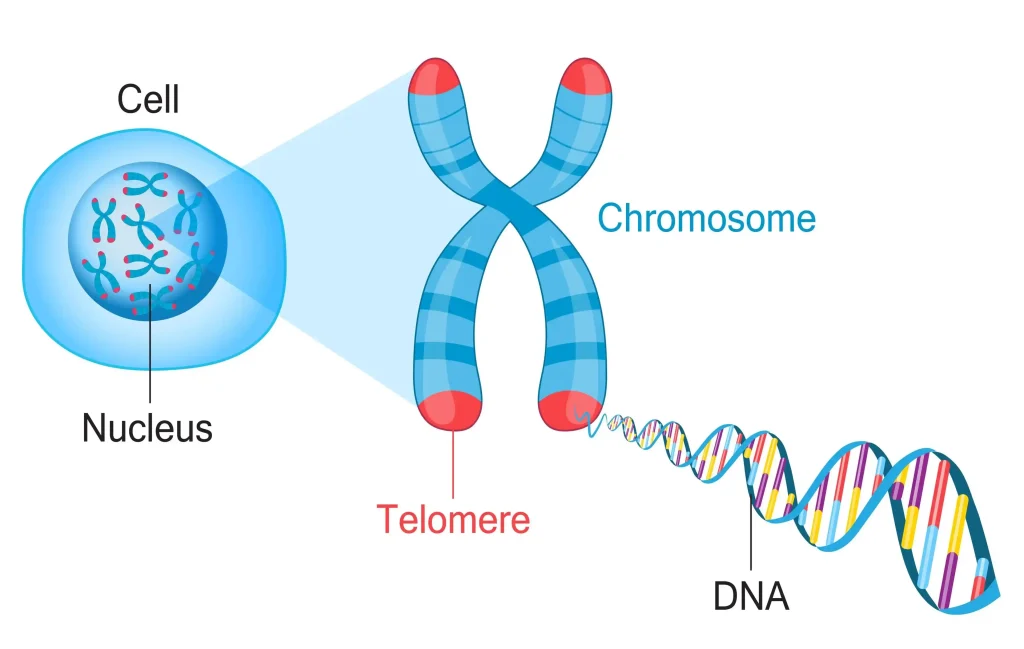
- The Buffer Zone: Telomeres protect genetic data from being lost during cell division.
- Stress Impact: High oxidative stress and cortisol accelerate telomere shortening.
- Lifestyle Preservation: While we cannot “regrow” them easily, specific lifestyle choices (like stress reduction and exercise) significantly slow their rate of attrition.
2. How Does Metabolic Health Affect Aging?
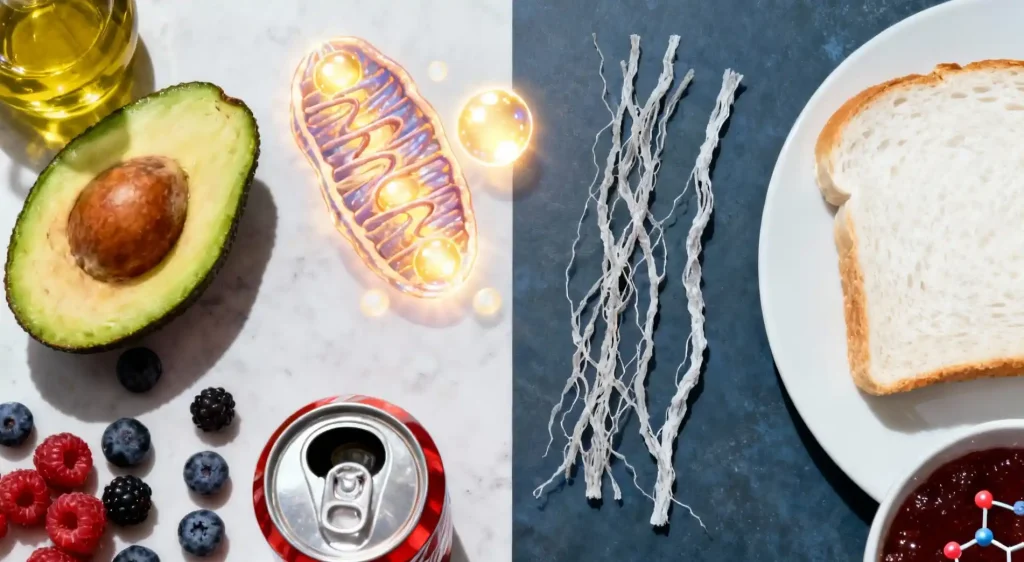
Metabolic health affects aging by regulating insulin sensitivity and mitochondrial function. Chronic high blood sugar and insulin resistance create “advanced glycation end-products” (AGEs), which essentially “gunk up” tissues and damage DNA. maintaining metabolic flexibility ensures cells can efficiently switch between burning sugar and fat, reducing oxidative stress.
Insulin Resistance and “Inflammaging”
One of the primary drivers of accelerated aging is chronic inflammation caused by high insulin levels.
- Glycation: Excess sugar in the blood bonds to proteins (like collagen and elastin), making them stiff and brittle. This causes wrinkles externally and stiff arteries internally.
- Mitochondrial Stress: Constant glucose spikes force mitochondria to work overtime, producing excessive “exhaust” in the form of free radicals.
- The Fix: Improving insulin sensitivity (through diet and movement) lowers this baseline inflammation, termed “inflammaging.”
Mitochondrial Efficiency
Mitochondria are the power plants of the cell. As we age, they become less efficient and fewer in number.
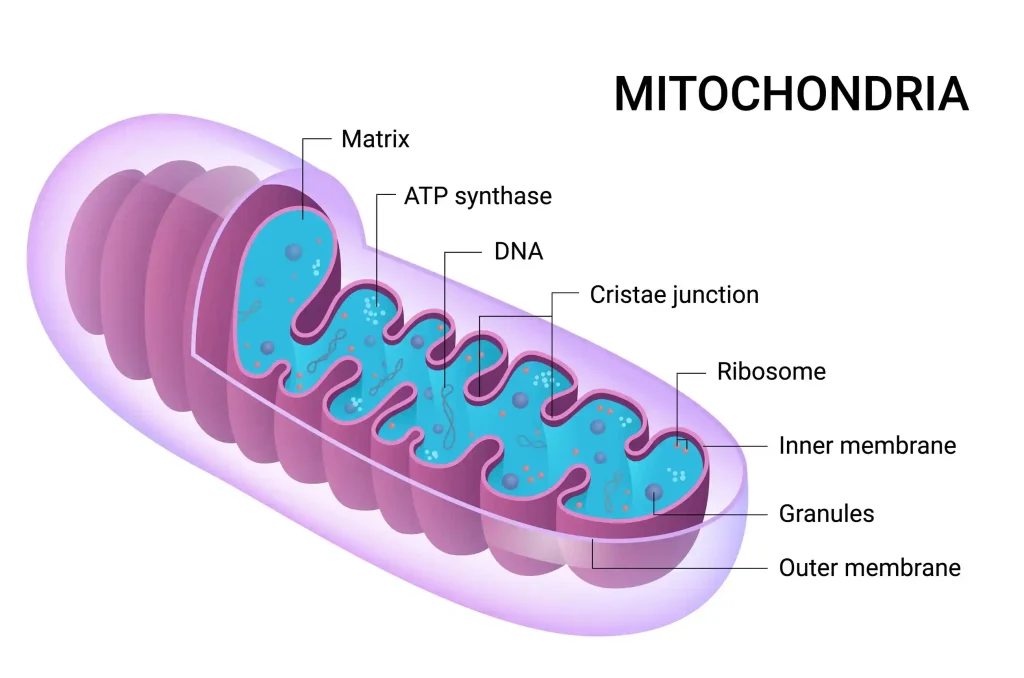
- Energy Production: Healthy mitochondria produce ATP (energy) with minimal waste.
- Dysfunction: Aged mitochondria leak free radicals, which damage the cell’s DNA.
- Biogenesis: Factors like Zone 2 cardio and intermittent fasting stimulate “mitochondrial biogenesis” the creation of fresh, efficient power plants.
3. Why Does Hormetic Stress Promote Longevity?

Hormetic stress promotes longevity because biological systems follow the principle of “what doesn’t kill you makes you stronger.” Short, controlled bursts of stress such as intense heat, cold, or exercise trigger survival genes (like Sirtuins) that upregulate cellular defense mechanisms, repairing DNA and fortifying the body against future stressors.
Thermal Stress (Heat and Cold)
Exposing the body to temperature extremes is an ancient signal for adaptation.
- Heat Shock Proteins: Sauna use triggers “heat shock proteins” which repair misfolded proteins in the brain and body, protecting against Alzheimer’s and cardiovascular decay.
- Cold Exposure: Cold plunges or showers stimulate brown fat (adipose tissue), which burns calories to generate heat and improves glucose metabolism.
- Vascular Health: Rapid temperature changes force blood vessels to dilate and constrict, maintaining their elasticity (youthfulness).
The “Scarcity” Signal (Fasting)
Evolutionarily, constant food availability is unnatural. The body has powerful repair modes that only turn on when food is scarce.
- mTOR Pathway: When we eat (especially protein),we trigger mTOR (growth).This is good for muscle but bad for longevity if always on.
- AMPK Pathway: When we fast, we trigger AMPK (repair). This signals the body to conserve energy and clean up damaged cells.
- Cycling: The key to anti-aging is cycling between growth (eating) and repair (fasting), not staying in one state permanently.
4. How Does Muscle Mass Protect Against Aging?

Muscle mass protects against aging by acting as a “metabolic sink” for glucose and an endocrine organ that releases anti-inflammatory signaling molecules called myokines. Skeletal muscle is the primary predictor of survivability in the elderly, as it prevents frailty, protects bone density, and maintains hormonal balance.
Muscle as an Endocrine Organ
We used to think muscle was just for movement. We now know it releases “myokines” when contracted.
- Systemic Communication: Myokines travel to the brain (BDNF) to support neuron health and to the gut to regulate inflammation.
- Immune Support: Adequate muscle mass supports the immune system, which naturally weakens with age (immunosenescence).
- Glucose Disposal: Muscle is the largest storage site for glycogen. More muscle means you can handle carbohydrates without spiking blood sugar dangerously.
Preventing Sarcopenia
Sarcopenia is the age-related loss of muscle mass. It is a direct path to frailty.
- Type II Fiber Loss: We lose “fast-twitch” fibers first as we age. This reduces our ability to catch ourselves during a fall.
- Bone Density: Resistance training places load on bones, signaling osteoblasts to create new bone tissue, preventing osteoporosis.
- Grip Strength: A strong grip is correlated with lower all-cause mortality because it indicates overall neuromuscular health.
5. Why Is Sleep Critical for DNA Repair?

Sleep is critical for DNA repair because it is the primary window for “anabolic” (building) processes. During deep sleep, the pituitary gland releases Human Growth Hormone (HGH), which regenerates tissue, while the brain’s glymphatic system flushes out neurotoxins (like beta-amyloid) that accumulate during waking hours.
Growth Hormone and Tissue Regeneration
Sleep is when the repair crew comes to work.
- HGH Pulse: The majority of your daily growth hormone is released during the first few hours of Slow Wave Sleep.
- Cell Division: Skin, gut, and blood cells divide and replenish most rapidly during sleep.
- Cortisol Regulation: Sleep lowers cortisol. Chronic lack of sleep keeps cortisol high, which breaks down collagen and muscle tissue (catabolism).
The Glymphatic Wash
The brain has no lymphatic system to drain waste, so it uses the glymphatic system.
- Cell Shrinkage: During sleep, glial cells shrink, opening channels for cerebrospinal fluid to wash through the brain.
- Toxin Clearance: This fluid removes metabolic waste products. If this doesn’t happen, these proteins form plaques associated with dementia.
- Cognitive Longevity: Consistently good sleep is the single most effective “nootropic” for maintaining brain speed and memory into old age.
6. How Does Chronic Stress Accelerate Aging?

Chronic stress accelerates aging by keeping the sympathetic nervous system in overdrive, which shortens telomeres and impairs the immune system. The constant flood of cortisol suppresses the body’s maintenance processes, prioritizing immediate survival over long-term repair, leading to rapid cellular degradation.
The Telomere-Stress Connection
Dr. Elizabeth Blackburn, who won a Nobel Prize for discovering telomerase, found a direct link between perceived stress and telomere length.
- Shortened Lifespan: High stress levels can effectively “age” immune cells by 10 years compared to low-stress individuals.
- Oxidative Damage: Stress increases the production of free radicals (unstable molecules) that attack DNA.
- Stem Cell Depletion: Chronic stress exhausts the pool of stem cells needed to rejuvenate tissues.
The Vagus Nerve and Recovery
The Vagus nerve is the main controller of the parasympathetic nervous system (rest and digest).
- Vagal Tone: High vagal tone allows you to bounce back from stress quickly. Low vagal tone means you stay stressed long after the event.
- Heart Rate Variability (HRV): A high HRV indicates a flexible, youthful nervous system. Stress destroys HRV, making the system rigid and prone to failure.
- Breathwork: Slow, deep breathing acts as a mechanical brake on the stress response, manually lowering blood pressure and cortisol.
What Speeds Up Aging vs What Slows It Down
This table connects complex biological mechanisms of aging with actionable, natural interventions.
| Hallmark of Aging | Biological Problem | Natural Solution |
| Genomic Instability | DNA damage accumulates over time. | Sleep & Sun Protection: Prioritize deep sleep for repair; avoid excessive UV. |
| Telomere Attrition | Protective DNA caps get shorter. | Stress Management: Meditation and lowering cortisol slows this loss. |
| Loss of Proteostasis | Damaged proteins (junk) build up. | Heat/Sauna: Heat shock proteins repair misfolded proteins. |
| Mitochondrial Dysfunction | Energy plants lose efficiency. | Zone 2 Cardio: Builds new mitochondria and improves efficiency. |
| Altered Intercellular Communication | “Inflammaging” (chronic inflammation). | Anti-Inflammatory Diet: Omega-3s, low sugar, and fasting. |
Natural Longevity Tools You Can Start Today
You do not need expensive anti-aging pills to measure or improve your longevity. These behavioral and conceptual tools help you track and slow down aging naturally.
1. The Grip Strength Test
- What it is: Using a dynamometer (or simply hanging from a pull-up bar) to measure hand strength.
- Why it works: Grip strength is a proxy for overall muscular and neural integrity. A weak grip correlates strongly with faster aging and higher mortality risk. Aim to hang for at least 60 seconds.
2. The “Feeding Window” Timer
- What it is: A simple app or clock habit to track a 12–16 hour fast.
- Why it works: Autophagy (cellular cleanup) does not kick in until insulin drops significantly, usually after 12+ hours without food. Restricting your eating window gives your body the time it needs to perform maintenance.
3. Contrast Showers
- What it is: Ending your daily hot shower with 30–60 seconds of the coldest water possible.
- Why it works: This creates “hormetic stress.” The shock activates the sympathetic nervous system briefly, followed by a robust parasympathetic rebound, training your vascular system and boosting mitochondria.
4. The “Floor Sit” Test
- What it is: Attempting to sit on the floor cross-legged and stand back up without using your hands or knees for support.
- Why it works: This tests flexibility, balance, and coordination key markers of structural aging. Studies suggest that the ability to do this correlates with longer life expectancy.
Real-Life Results: Aging Slower Naturally
The 50-Year-Old “Rookie” David, a 52-year-old accountant, felt his age catching up to him stiff joints, brain fog, and high blood pressure. He assumed this was normal aging. After reading about sarcopenia, he started lifting weights for the first time. He didn’t become a bodybuilder, but he focused on squats and deadlifts. Within six months, his blood pressure normalized. More surprisingly, his cognitive function improved. The myokines released from his new muscle tissue had acted as fertilizer for his brain, reversing the “senior moments” he thought were permanent.
The Stress Resetter Sarah, a high-performing executive, looked ten years older than her chronological age of 42. Her cortisol was chronically high, and she suffered from adult acne and insomnia. She implemented a simple rule: a 20-minute walk outside every morning before checking her phone. This exposure to morning sunlight reset her circadian rhythm. The combination of movement (optical flow) and light regulation lowered her cortisol. After three months, her skin cleared, her sleep deepened, and friends commented that she looked “rested” for the first time in years.
(Note: Names and identifying details have been adjusted to preserve privacy while maintaining biological accuracy)
Frequently Asked Questions (FAQ):
Can you actually reverse aging?
You cannot reverse chronological age (the year you were born), but you can reverse biological age. Studies using “epigenetic clocks” show that lifestyle changes diet, sleep, exercise can turn back the markers of aging on your DNA, making your cells function like those of a younger person.
Is fasting safe for older adults?
Generally, yes, but muscle preservation is key. Older adults need more protein. If fasting causes muscle loss, it is counterproductive. A shorter fasting window (12–14 hours) is often safer and sufficient to get the benefits of gut rest without risking sarcopenia.
Does sugar really age you?
Yes. Sugar drives a process called glycation, where sugar molecules bind to proteins and fats, forming Advanced Glycation End-products (AGEs). These damage collagen (causing wrinkles) and stiffen blood vessels (causing heart disease). Reducing sugar is the single most effective dietary anti-aging strategy.
How much exercise is needed for longevity?
The sweet spot seems to be 150–180 minutes of Zone 2 cardio (steady, conversational pace) per week for mitochondrial health, combined with 2–3 sessions of resistance training to maintain muscle mass and bone density.
Why is deep sleep so important for anti-aging?
Deep sleep is when the “glymphatic system” washes the brain of toxins like beta-amyloid plaques. Without this nightly cleaning, these toxins accumulate, leading to neurodegeneration and cognitive aging.
Final Verdict:
Learning to slow down aging naturally is not about fighting time; it is about working with your biology. By understanding that your cells respond to signals nutrient scarcity, physical movement, temperature changes, and rest you can curate an environment that triggers repair rather than decay. The body is designed to last, provided you give it the inputs it requires to maintain itself.