


The Real Dopamine Detox Benefits (And What to Expect in Week 1)
Key Takeaways:
- Counter-Intuitive Insight: Boredom is not a symptom to be cured; it is the biological prerequisite for creativity and deep focus recovery.
- Specific Timeframe: While subjective feelings change quickly, true neurochemical homeostasis regarding habit loops often requires at least 14 to 30 days of consistent behavioral change.
- Simple Concept: You are not lowering the amount of dopamine in your brain; you are adjusting the sensitivity of your receptors to everyday stimuli.
- Realistic Expectation: The first 24–48 hours often result in “withdrawal” symptoms like irritability and anxiety before clarity sets in.
In our modern digital landscape, the sensation of “brain fog” or an inability to sit still without checking a device has become a universal struggle. Many of us feel a compulsive pull toward our screens, not out of necessity, but out of a neurological drive for the next micro-reward. This is where understanding the biology behind dopamine detox benefits becomes essential for reclaiming mental autonomy.
It is important to clarify that “dopamine detox” is a colloquial term. Biologically, we cannot and should not remove dopamine from our bodies; it is a vital neurotransmitter involved in movement, motivation, and learning. However, the practice commonly referred to as a dopamine detox involves deliberately reducing high-stimulation behaviors to reset the brain’s reward pathways. According to research on neuroplasticity, constant overstimulation can desensitize our neural receptors, requiring more input to feel the same level of satisfaction.
In this guide, we will explore the tangible, science-based benefits of stepping back from high-dopamine triggers. You will learn how resetting your behavioral baseline can restore focus, stabilize mood, and improve your ability to engage in deep, meaningful work.
While building Digital Zen content for BiomindHub, I tested low-stimulation routines in real life removing social media triggers, limiting high-reward inputs, and creating boredom windows to observe how my focus, mood stability, and impulse control changed. The biggest shift was not “more willpower,” but fewer triggers. This guide combines practical observation with established neuroscience principles around habit loops and reward sensitivity.
1. What Are the Core Dopamine Detox Benefits?

The primary dopamine detox benefits center on the resensitization of the brain’s reward system (the mesolimbic pathway). By voluntarily abstaining from immediate gratification triggers such as social media scrolling or video games individuals lower their tolerance for stimulation. This process restores the brain’s ability to find satisfaction in low-stimulation tasks, improves sustained attention span, and regulates emotional volatility.
The Mechanism of Resensitization:
To understand why this practice works, we must look at the concept of downregulation. When the brain is flooded with dopamine due to hyper-palatable foods or algorithmic social media feeds, it attempts to maintain homeostasis (balance) by reducing the number of dopamine receptors available or reducing sensitivity to the neurotransmitter. This is a protective mechanism to prevent the system from being overwhelmed.
However, the side effect of this downregulation is that normal, everyday activities reading a book, having a conversation, or completing a work assignment start to feel incredibly dull. They simply do not release enough dopamine to register on a desensitized system.
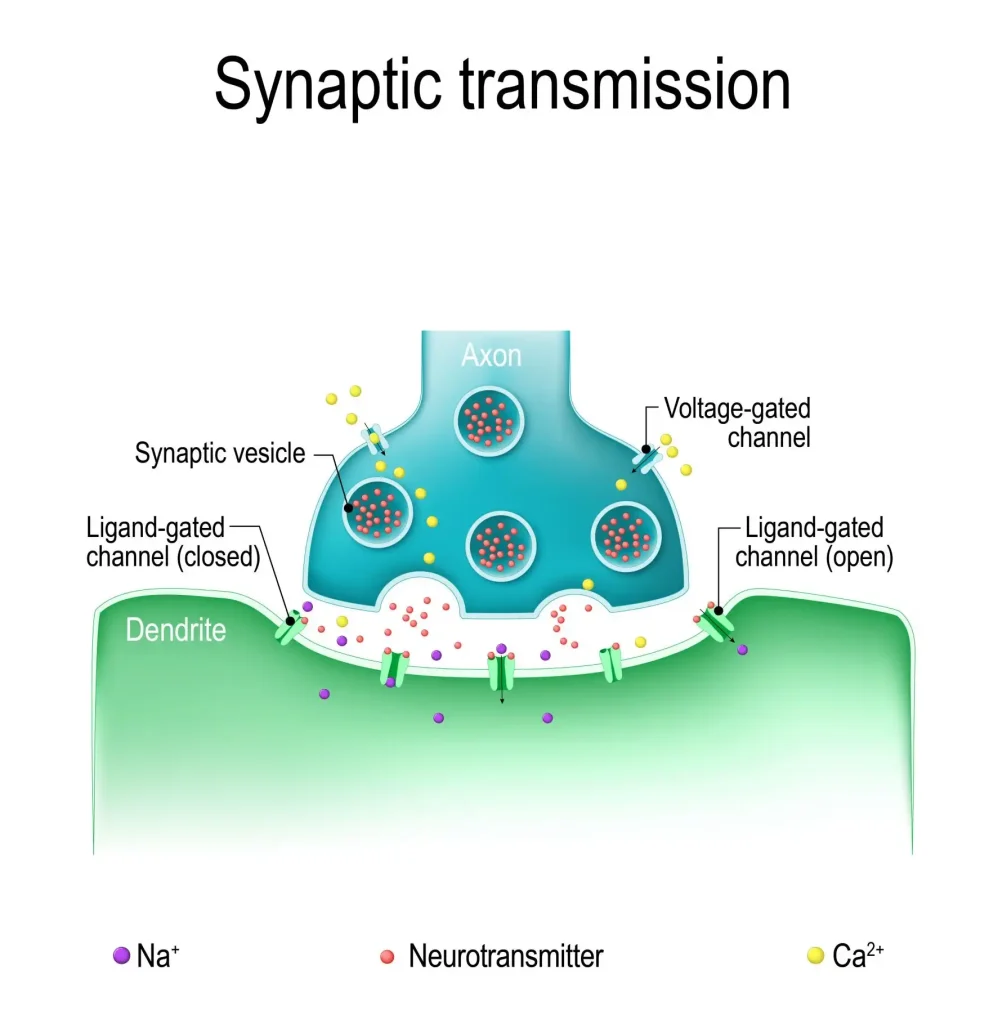
One of the most significant dopamine detox benefits is the reversal of this process. By removing the “super-stimuli,” you allow your receptors to upregulate, or increase in sensitivity, making mundane tasks feel rewarding again.
Restoring Homeostasis:
The benefit here is not just about productivity; it is about biological balance. Chronic overstimulation keeps the nervous system in a state of heightened arousal. Stepping away allows the brain to return to a baseline state. This restoration of homeostasis is crucial for reducing background anxiety and the constant, itching feeling that you “should” be doing something more exciting.
What to Avoid During a Reset:
A dopamine detox works best when you reduce activities that create rapid, unpredictable reward spikes such as endless short-form videos, compulsive social media refresh loops, junk food snacking, and multitasking entertainment (watching while scrolling). These are not “bad,” but they train the brain to expect constant novelty. Temporarily lowering them creates the biological space needed for resensitization.
2. How Does Detox Improve Cognitive Function?

A dopamine detox improves cognitive function by reducing the “switching costs” associated with multitasking and strengthening the prefrontal cortex. By eliminating constant digital interruptions, the brain can preserve metabolic energy and maintain a state of “flow” for longer periods, resulting in deeper concentration and more efficient information processing.
Reducing Cognitive Load and Switching Costs:
One of the most immediate impacts is the reduction of cognitive load. Every time you switch your attention from a work task to a notification, your brain pays a “switching cost.” Research suggests that it can take over 20 minutes to regain full focus after a distraction. When you engage in a detox protocol, you eliminate these micro-interruptions.
From a biological perspective, this preserves glucose and metabolic energy in the brain. Instead of rapidly firing between different context windows, the brain can settle into a singular neural pathway. This state is often referred to as “flow,” but biologically, it is simply the brain working efficiently without the friction of constant context switching.
Strengthening the Prefrontal Cortex:
The prefrontal cortex is the area of the brain responsible for executive functions: planning, decision-making, and suppressing impulses. Chronic engagement with instant gratification weakens the “top-down” control of the prefrontal cortex over the “bottom-up” drives of the limbic system (the emotional, reactive brain).
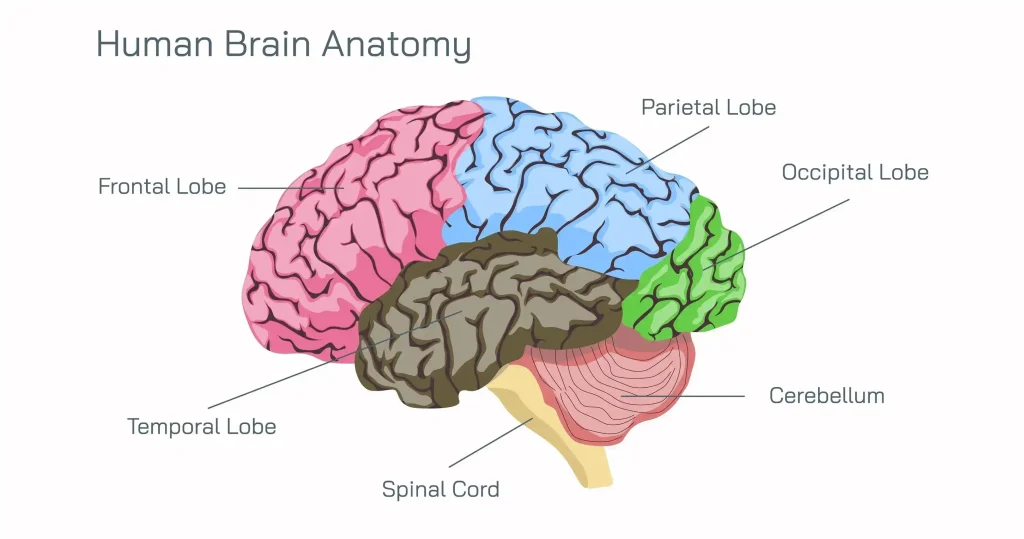
By practicing the restraint required during a dopamine detox, you are effectively exercising the prefrontal cortex. The benefit is a tangible improvement in willpower. Over time, the neural pathways associated with “saying no” to an impulse become stronger than the pathways associated with giving in. This structural change in the brain supports long-term discipline well beyond the detox period.
3. Why Does Detox Stabilize Mood and Emotions?

Detoxing stabilizes mood by breaking the cycle of dopamine spikes and cortisol dips. Constant high-stimulation activities create a volatile neurochemical environment where the brain oscillates between excitement and withdrawal. Removing these triggers smooths out these peaks and valleys, leading to a calmer baseline mood and reduced anxiety.
The Dopamine-Cortisol Connection:
There is a significant interplay between the reward system and the stress response system. The anticipation of a reward releases dopamine, but the absence of an expected reward can trigger the release of cortisol, the primary stress hormone. When we live in a loop of constant checking (e.g., refreshing email or news feeds), we are subjecting our bodies to micro-spikes of cortisol every time the screen doesn’t deliver something interesting.
One of the overlooked dopamine detox benefits is the stabilization of these hormonal fluctuations. By removing the variable reinforcement loop of digital devices, you smooth out the peaks and valleys of daily emotion. This leads to a calmer baseline state, where stress is managed more effectively because the nervous system is not constantly primed for reaction.
Breaking the Anhedonia Cycle:
Anhedonia is the inability to feel pleasure in normally enjoyable activities. Paradoxically, chasing high-dopamine activities can lead to mild forms of anhedonia regarding everything else. If you spend hours playing high-intensity video games, a walk in the park offers comparatively zero neurochemical reward.
A detox period allows the “pleasure threshold” to reset. As the brain adjusts to lower levels of stimulation, simple joys the taste of a healthy meal, the sound of music, or social interaction begin to register as pleasurable again. This restoration of natural joy is critical for long-term mental health and prevents the feeling of numbness that often accompanies digital burnout.
4. How Does Lower Stimulation Enhance Sleep?

Lower stimulation enhances sleep by regulating the circadian rhythm and reducing beta-wave alertness before bed. High-dopamine activities, especially those involving screens, suppress melatonin and keep the brain in a state of hyper-arousal. A detox protocol creates a physiological buffer that allows the parasympathetic nervous system to engage for deeper, restorative rest.
The Impact of Blue Light and Arousal:
Sleep hygiene is inextricably linked to dopamine regulation. Many high-dopamine activities involve screens, which emit blue light that suppresses melatonin production. However, beyond the light itself, the content is problematic. Engaging with stimulating content keeps the brain in a state of alertness (beta wave activity) rather than relaxing into the alpha and theta waves necessary for sleep onset.
Implementing a dopamine detox, particularly in the evening hours, creates a buffer zone. The benefit here is physiological: without the dopamine spikes that signal “alertness” and “pursuit” to the brain, the parasympathetic nervous system (rest and digest) can engage more easily.
Sleep Insight: Evening overstimulation often combines two problems high mental arousal and light exposure. Harvard Health explains how blue light can interfere with melatonin timing and delay sleep onset, which is why a low-stimulation evening routine can make detox results feel faster:
Deep Sleep and Neurotransmitter Replenishment:
During deep sleep (Slow Wave Sleep), the brain clears out metabolic waste products through the glymphatic system and replenishes neurotransmitter stores. If the brain is overstimulated until the moment of sleep, sleep quality is often compromised. A key benefit of a lower-stimulation lifestyle is deeper, more restorative sleep. This creates a positive feedback loop: better sleep regulates dopamine receptors, making it easier to maintain focus and impulse control the following day.
5. Why Does Awareness Increase Through Detox?

Awareness increases through detox because the removal of automatic distractions forces subconscious impulses to the surface. Without the ability to numb boredom or anxiety with a device, individuals must confront their internal emotional states, leading to greater self-regulation and a shift from reactive behavior to intentional choices.
Identifying Unconscious Loops:
Perhaps the most profound of the benefits is the cultivation of awareness. Most high-dopamine behaviors are automatic; we unlock our phones without conscious thought. Removing these options forces these subconscious impulses to the surface.
When you reach for a phone that isn’t there, or try to eat a snack you’ve committed to avoiding, you become acutely aware of the trigger. Is it boredom? Anxiety? Loneliness? This biological feedback allows you to address the root cause of the discomfort rather than numbing it with a dopamine hit. This shift from “unconscious reaction” to “conscious response” is the foundation of behavioral psychology.
Recalibrating Time Perception:
High-stimulation activities warp time perception. Hours on social media can feel like minutes, leading to a sense of lost time and regret. Conversely, low-stimulation activities can initially feel like they drag on.
However, a benefit of the detox is a recalibration of patience. As the brain adapts to a slower pace, the subjective experience of time expands. You regain the ability to sit with a problem, read a long text, or engage in a slow process without the panic of boredom. This patience is a biological asset in a world that prioritizes speed over depth.
6. How Do Long-Term Dopamine Detox Benefits Work?

Long-term dopamine detox benefits work through the process of neuroplasticity, where repeated low-stimulation choices physically rewire the brain’s synaptic pathways. Over time, the neural connections for focus and patience are strengthened, while the pathways for instant gratification weaken, transforming temporary discipline into a sustainable lifestyle trait.
Rewiring Synaptic Pathways:
Neuroplasticity is the brain’s ability to reorganize itself by forming new neural connections. “Neurons that fire together, wire together.” Every time you indulge in a distraction, you strengthen that connection. Conversely, every time you resist, you weaken the connection and strengthen the pathway for focus.
The long-term effects extend far beyond a weekend experiment. By repeatedly choosing low-stimulation activities, you physically alter the landscape of your brain. The “path of least resistance” slowly shifts from distraction to focus. This is not just a change in mindset; it is a change in the physical microstructure of the brain’s communication network.
Habit change and reward learning are closely tied to reinforcement pathways in the brain. For a deeper explanation of how dopamine shapes motivation and behavior over time, the National Center for Biotechnology Information (NCBI) provides detailed neuroscience references here:
From Detox to Lifestyle:
Ultimately, the goal is not to live in a permanent state of deprivation, but to achieve a sustainable balance. The detox serves as a “shock” to the system to break the dependency, but the lasting benefit is the ability to reintroduce technology and treats as tools rather than masters. You learn to utilize dopamine for goal-directed behavior (motivation to work) rather than passive consumption.
Which Activities Overstimulate Your Reward System?
This table compares activities based on their typical impact on the reward system, helping you identify what to reduce and what to increase during a reset period.
| Activity Type | Dopamine Release Profile | Effect on Receptors | Long-Term Result |
| High Stimulation (Social Media, Video Games) | Rapid, high spikes followed by crashes. | Downregulation (Desensitization). | Brain fog, impatience, craving more stimulation. |
| Medium Stimulation (Podcasts, Audiobooks) | Moderate, sustained release. | Neutral / Maintenance. | Can be educational but may prevent mental silence. |
| Low Stimulation (Reading, Walking, Meditation) | Slow, low-level release. | Upregulation (Resensitization). | Increased focus, calm, appreciation for small rewards. |
Tools and Habits That Support a Dopamine Reset
To successfully realize the dopamine detox benefits outlined above, you do not need paid apps or expensive gadgets. Instead, you need “commitment devices” psychological tools that increase the friction for bad habits and decrease the friction for good ones.
The “Phone Foyer” Method (Physical Friction)
- What it is: A strict rule where your phone never enters your bedroom or workspace. It lives in the “foyer” (entryway) or a designated charging station in a communal area.
- Why it works biologically: “Out of sight, out of mind” is a biological reality. The mere presence of a smartphone, even when turned off, has been shown to reduce available cognitive capacity (a phenomenon known as “brain drain”). By adding physical distance, you disrupt the automatic “reach-and-scroll” loop, forcing the prefrontal cortex to make a conscious decision to walk and get the device.
2. Grayscale Accessibility Mode (Visual De-Stimulation)
- What it is: Changing your phone’s display settings to remove all color, rendering the screen in shades of gray.
- Why it works biologically: App developers use bright red notification bubbles and vibrant interface colors to hijack the brain’s “saliency network” the part of the brain that detects important environmental stimuli. By switching to grayscale, the phone becomes a utilitarian tool rather than a toy. It ceases to trigger the visual reward pathways, making Instagram or TikTok significantly less appealing to the eye.
3. The “Urge Surfing” Technique (Cognitive Tool)
- What it is: When a craving to check your device or eat sugar hits, do not fight it, but do not give in. Set a timer for 10 minutes and simply “observe” the physical sensation of the craving.
- Why it works biologically: Cravings function like waves; they peak and then crash. Most people give in at the peak. If you can wait 10–15 minutes, the neurochemical urgency of the dopamine spike will naturally subside. This trains your brain that the “urge” signal does not require an immediate “action” response.
4. Analog Alternatives (Replacement Strategy)
- What it is: Pre-loading your environment with low-stimulation physical objects. Place a book on your pillow, a notebook on your desk, or a musical instrument in the living room.
- Why it works biologically: Nature abhors a vacuum. If you remove your phone but have nothing to replace it with, boredom will turn into anxiety. By having analog tools ready, you provide your brain with a “healthy” dopamine source (e.g., the satisfaction of writing or reading) that satisfies the need for engagement without overstimulating the nervous system.
5. Non-Sleep Deep Rest (NSDR) Protocols
- What it is: Using free guided audio scripts (like Yoga Nidra) for 10–20 minutes to deliberately relax the nervous system without sleeping.
- Why it works biologically: Dopamine detoxing can sometimes cause agitation as the brain adjusts to silence. NSDR protocols rapidly shift the brain from beta waves (alert/agitated) to alpha/theta waves (calm), helping to replenish neurotransmitters (like dopamine and acetylcholine) more effective than a nap.
Real Human Stories:
The Writer’s Block Breakthrough Elena, a freelance copywriter, found herself unable to write more than 300 words without checking the news. She described her brain as feeling “itchy” whenever she faced a blank page. After implementing a 48-hour protocol where she removed all screens and processed sugar, she reported a difficult first day filled with agitation. However, by the morning of the third day, she experienced a clarity she hadn’t felt in years. She wrote 2,000 words in a single sitting. The detox didn’t give her new skills; it simply removed the noise that was blocking her access to the skills she already possessed.
The “Presence” Shift Mark, a father of two, realized he was watching his children play through the lens of his smartphone camera rather than with his own eyes. He feared he was losing his ability to be present. He committed to a “digital sunset” rule, turning off all devices at 6:00 PM. Initially, he felt anxious and bored, unsure of what to do with his hands. Within two weeks, he noticed a profound shift: his patience with his children increased, his sleep improved, and he rediscovered a love for woodworking a slow, tactile hobby that his previous high-speed brain had deemed “too boring.”
(Note: Names and identifying details have been adjusted to preserve privacy while maintaining biological accuracy)
It’s also worth noting that the term “dopamine detox” is informal. The goal is not to eliminate dopamine (which is essential for life), but to reduce artificial overstimulation so the brain can return to a healthier baseline. In practice, this means lowering exposure to high-reward, fast-feedback behaviors long enough to rebuild patience, attention span, and natural motivation.
Frequently Asked Questions (FAQ):
Q: Is a dopamine detox scientifically proven?
A: While the term “dopamine detox” is a marketing phrase, the underlying principles are grounded in established neuroscience regarding addiction, tolerance, and Cognitive Behavioral Therapy (CBT). Research from the National Institutes of Health (NIH) confirms that overstimulation leads to receptor downregulation, and abstinence can help reverse this process.
Q: How long does it take to see dopamine detox benefits?
A: Subjective feelings of calmness can occur within 24 hours. However, re-sensitizing dopamine receptors and breaking established habit loops typically requires a more sustained effort, often cited by behavioral psychologists as taking anywhere from 14 to 90 days depending on the severity of the habit.
Q: Will I feel depressed during the process?
A: It is common to feel flat, bored, or irritable during the first few days. This is often referred to as a withdrawal period. As your brain chemistry stabilizes and homeostasis is restored, these feelings usually subside and are replaced by a sense of calm and focus.
Q: Can I still listen to music or read books?
A: This depends on the strictness of your protocol. Generally, slow-paced music and reading physical books are encouraged because they are single-focus, low-stimulation activities that help retrain attention spans, unlike the rapid-fire switching of social media.
Q: Is this dangerous for my brain?
A: No. You are not actually stopping dopamine production (which would be fatal). You are simply changing your behavior to avoid artificial hyper-stimulation. It is a return to a more natural baseline of stimulation that the human brain evolved to handle.
Final Verdict:
Understanding dopamine detox benefits provides a roadmap for reclaiming control over your attention and emotional health. This is not about demonizing technology or pleasure; it is about understanding the biology of your own reward system. By periodically lowering the volume of the world around you, you allow your brain to recalibrate, leading to enhanced focus, emotional stability, and a deeper appreciation for the ordinary moments of life. The science is clear: a rested, resensitized brain is a more capable and content brain.
If these dopamine detox benefits resonated with you, save or pin this guide and revisit it whenever you feel pulled into overstimulation, constant scrolling, or impulsive distraction. A calm brain is built through small, repeatable choicesnot extreme resets.