

Understanding the Biology to Avoid Sugar Cravings at Night Permanently
Key Takeaways:
- Counter-Intuitive Insight: Your craving for ice cream at midnight is often a sign of sleep deprivation, not actual hunger, as a tired brain specifically seeks high-calorie “quick” energy.
- Specific Number: Research suggests that sleep-deprived individuals consume an average of 385 extra calories per day, mostly from snacks.
- Simple Habit: Eating a dinner rich in protein and fiber can stabilize blood glucose levels for up to 4 hours, significantly reducing late-night urges.
- Realistic Expectation: Resetting your circadian hunger hormones typically takes 7 to 10 days of consistent sleep and dietary routine adjustments.
It is a scenario familiar to many: the day has been productive, and dinner was healthy, but as the clock ticks past 10:00 PM, an intense, almost magnetic pull toward sweet foods begins. You aren’t necessarily physically hungry, yet the psychological urge for chocolate, cookies, or ice cream feels impossible to ignore. This phenomenon isn’t just a lack of willpower; it is a complex biological signal indicating that your body’s internal rhythms are out of sync.
To effectively avoid sugar cravings at night, one must look beyond simple discipline and understand the physiological mechanics at play. From the misalignment of your internal body clock (circadian rhythm) to the fluctuation of metabolic hormones, your body is constantly communicating its state to you. According to the National Institutes of Health (NIH), disruptions in sleep patterns can alter metabolic processes, leading specifically to a desire for high-carbohydrate, energy-dense foods.
This guide explores the neuroscience and biology behind these nocturnal urges. By understanding the root causes ranging from dopamine seeking to insulin resistance you can implement evidence-based strategies to stabilize your system. We will break down the science of why your brain demands sugar in the dark and provide a clear protocol to regain control over your nightly routine.
1. The Neuroscience of Late-Night Hunger:
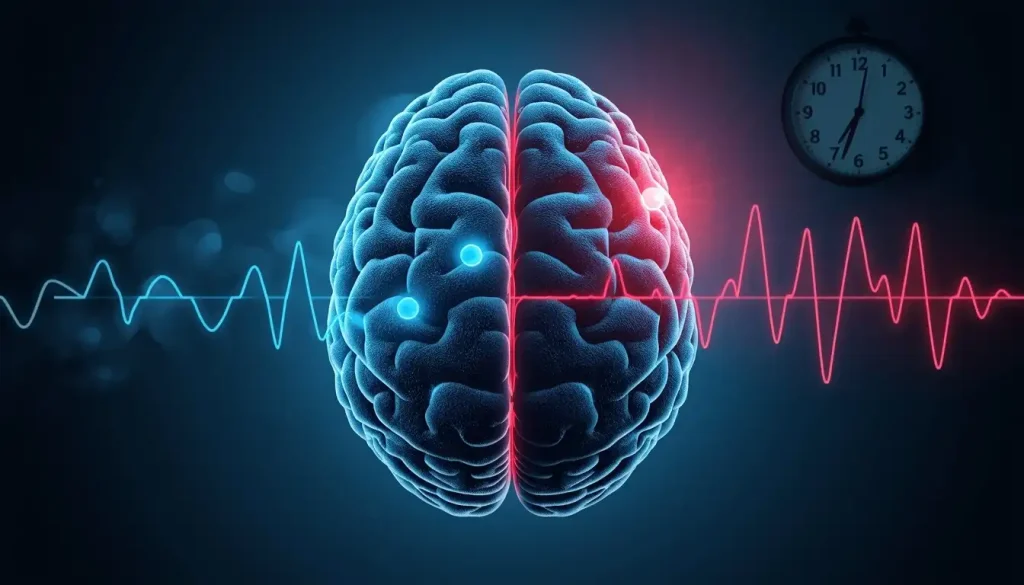
To avoid sugar cravings at night, it is essential to understand that late-night hunger is often a hormonal misfire caused by circadian misalignment. When the body is kept awake past its natural sleep window, the brain’s demand for glucose increases to fuel alert states, triggering specific cravings for simple sugars rather than complex nutrients.
The Ghrelin and Leptin Seesaw:
The primary drivers of physical hunger are two opposing hormones: ghrelin and leptin. Ghrelin, produced in the stomach, signals the brain that it is time to eat (“Go”). Leptin, released by fat cells, signals satiety and tells the brain you have sufficient energy stores (“Stop”). In a perfectly balanced biological system, leptin levels should naturally rise after dinner, suppressing appetite as you prepare for sleep.
However, modern lifestyle factors often disrupt this delicate balance. When you stay up late or experience poor quality sleep, the body interprets this as a state of stress or energy deficit. In response, ghrelin levels spike, and leptin sensitivity decreases. This hormonal inversion creates a powerful physiological drive to eat. Importantly, this is not a drive for broccoli or salad; the body specifically demands glucose sugar because it is the fastest source of fuel for a fatigued brain. Understanding that this is a hormonal error rather than a genuine need for calories is the first step in managing the behavior.
Circadian Rhythm and Metabolic slowing:
Every cell in the human body operates on a roughly 24-hour cycle known as the circadian rhythm.
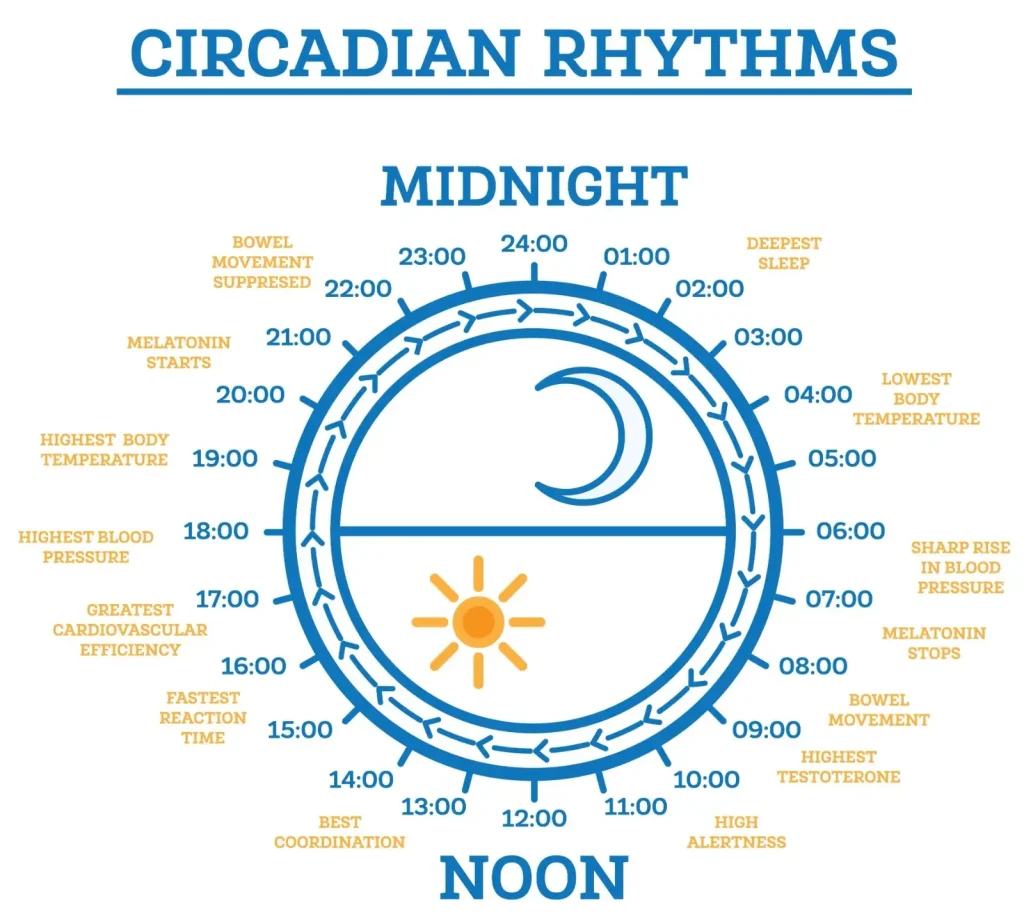
This internal clock regulates everything from sleep-wake cycles to digestion. Biologically, humans are designed to consume energy during daylight hours and fast during the dark hours to facilitate cellular repair.
When we remain active under artificial lights and engage with screens late into the night, we confuse the suprachiasmatic nucleus (SCN) the master clock in the brain. This creates a state of “circadian misalignment.” The body is unsure if it should be winding down or ramping up. Research indicates that the body’s ability to process glucose (sugar) is significantly lower at night than in the morning due to decreased insulin sensitivity. Therefore, eating sugar late at night not only satisfies a craving but also spikes blood sugar higher and for longer periods than it would during the day, potentially leading to further metabolic disruption and inflammation.
2. How Sleep Deprivation Triggers Cravings:

Sleep deprivation acts as a direct metabolic disruptor, causing the prefrontal cortex (logic center) to shut down while the amygdala (reward center) becomes hyperactive. This neurological shift makes it biologically difficult to avoid sugar cravings at night, as the tired brain seeks dopamine and quick energy to compensate for lack of rest.
The Brain’s Reward System (Dopamine):
Beyond simple hunger, the brain’s reward centers play a massive role in late-night snacking. The prefrontal cortex is the area of the brain responsible for executive function, logic, and impulse control. The amygdala and the striatum are deeper regions associated with emotion and reward processing.
When you are tired, activity in the prefrontal cortex is dampened. Essentially, your “logic center” goes offline. Simultaneously, the reward centers become hyper-reactive. A tired brain seeks dopamine the “feel-good” neurotransmitter to counteract the negative feelings of fatigue and stress. Sugar triggers a rapid dopamine release. Therefore, the late-night binge is often a form of self-medication where the brain seeks a chemical reward. Recognizing that you are seeking a dopamine hit, rather than food, allows you to substitute the behavior with non-food rewards.
Insulin Resistance and the “Starved” Cell:
There is a direct, bidirectional relationship between sleep duration and glucose regulation. When you do not get enough sleep typically defined as less than seven hours for adults your body enters a state of mild insulin resistance. Insulin is the hormone responsible for shuttling glucose from the bloodstream into cells for energy.
When cells become resistant to insulin, glucose remains in the blood, but the cells themselves feel “starved” for energy. To compensate for this perceived energy crisis, the brain sends out urgent signals to ingest high-energy foods. This is why you rarely crave complex carbohydrates or proteins when you are exhausted; you crave simple sugars that can be broken down immediately. Studies from the Sleep Foundation highlight that extending sleep duration can lead to a measurable reduction in daily sugar intake, proving that sleep itself is a nutritional intervention.
3. Dietary Triggers: The Blood Sugar Rollercoaster:
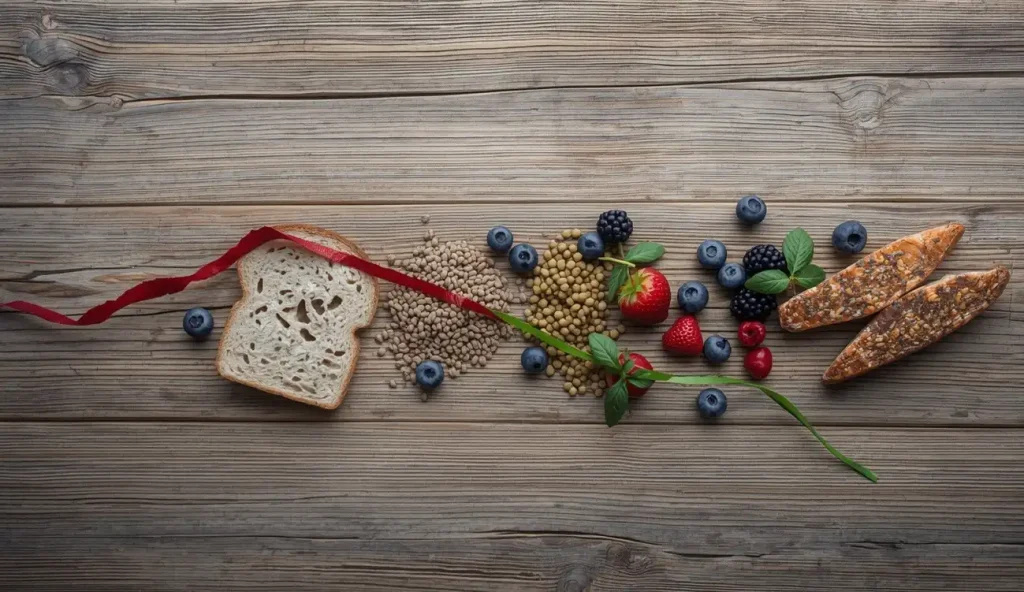
One of the most effective ways to avoid sugar cravings at night is to stabilize blood glucose levels throughout the day. Consuming high-glycemic foods creates sharp spikes and crashes in blood sugar; the evening crash triggers a biological emergency signal, forcing the body to demand sugar to restore equilibrium before sleep.
The Glycemic Index Impact
The human body strives for homeostasis, a state of stable internal conditions. If your blood sugar spikes and crashes throughout the day due to skipping meals or consuming highly processed foods, you set the stage for a nocturnal rebound. This phenomenon is often referred to as the “blood sugar rollercoaster.”
If you eat a high-sugar breakfast, your blood glucose spikes, followed by a surge of insulin, which causes glucose to plummet. This crash triggers hunger, leading to another high-sugar snack. By the time evening arrives, if your blood sugar is on a downward trend, the body will demand a rapid correction before the long “fast” of sleep. This often manifests as an uncontrollable urge for sweets right before bed.
Educational Table: Glycemic Impact on Night Cravings
| Food Category | Examples | Glycemic Impact | Effect on Night Cravings |
| High GI Foods | White bread, soda, candy, white rice | Rapid Spike & Crash | High Risk: Causes a blood sugar dip 2-3 hours later, triggering cravings. |
| Medium GI Foods | Bananas, pineapple, oats, honey | Moderate Rise | Medium Risk: Sustainable for daytime, but may trigger cravings if eaten alone at dinner. |
| Low GI Foods | Lentils, leafy greens, berries, plain yogurt | Slow, Steady Release | Low Risk: Provides sustained energy, keeping hunger hormones stable all night. |
| Proteins/Fats | Salmon, eggs, nuts, olive oil | Negligible Impact | Lowest Risk: Increases satiety hormones (PYY) and stabilizes glucose. |
Protein and Fiber Deficiency
Satiety is not just about the volume of food in your stomach; it is about the nutrient density. Protein and fiber are the two most satiating nutrients. Protein influences the release of peptides like PYY and GLP-1, which signal fullness to the brain. Fiber slows down digestion and the absorption of sugar into the bloodstream.
If your dinner consists primarily of simple carbohydrates (like pasta) with little protein, you may feel full immediately, but that fullness will be fleeting. As the carbohydrates are digested rapidly, blood sugar drops within two to three hours right around the time you are trying to go to sleep. To prevent this, a biology-based approach involves ensuring the last meal of the day is robust in protein and fiber.
4. Psychological Factors: Stress and Cortisol:

Chronic stress elevates cortisol levels in the evening, which biologically blocks melatonin production and triggers glucose mobilization. To avoid sugar cravings at night, one must manage evening stress, as cortisol signals the liver to release energy and demands dietary sugar to replenish “fight or flight” reserves.
The “Second Wind” Phenomenon:
Cortisol is commonly known as the “stress hormone.” Under normal circadian conditions, cortisol levels should peak in the morning to help you wake up and gradually decline throughout the day, reaching their lowest point around midnight. However, chronic stress or high-intensity stimulation late in the day can cause a “second wind” or a spike in cortisol at night.
Biologically, cortisol mobilizes energy. It tells the liver to release glucose into the bloodstream to prepare the body for a “fight or flight” response. If you are stressed but sedentary (sitting on the couch), your body has mobilized energy it doesn’t need to use physically. The body then signals for you to replenish those energy stores, often triggering cravings for high-calorie, sugary foods. This is an evolutionary mechanism designed to help humans survive periods of high stress, but in the modern context, it leads to overconsumption.
Emotional Eating vs. Physical Hunger
Distinguishing between emotional hunger and physical hunger is a critical skill. Nighttime is often when the distractions of the work day fade away, leaving space for suppressed emotions to surface. Boredom, loneliness, and anxiety are common triggers. The act of eating releases neurotransmitters that provide temporary relief from these uncomfortable emotions.
To avoid sugar cravings at night, one must identify the emotion preceding the craving. If the trigger is boredom, the solution is engagement (like reading). If the trigger is anxiety, the solution is soothing (like a warm bath), not sugar.
5. Strategic Nutrition to Prevent Night Cravings:
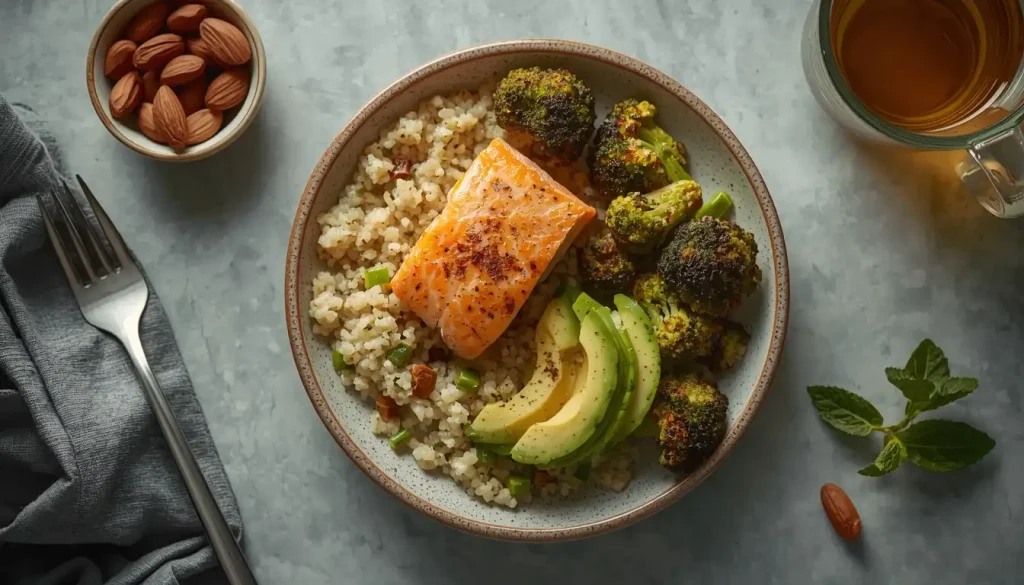
To scientifically avoid sugar cravings at night, dinner must be a “mixed meal” containing lean protein, healthy fats, and fiber to slow gastric emptying. Additionally, consuming specific micronutrients like magnesium and tryptophan can support the transition to sleep, bypassing the brain’s urge for a sugar-induced dopamine hit.
The Mixed Meal Concept
The composition of your evening meal is the tactical defense against late-night snacking. As established, simple carbohydrates digest too quickly. A scientifically structured dinner should focus on a “mixed meal” concept. This involves combining complex carbohydrates, lean proteins, and healthy fats.
For example, replacing white rice with quinoa or brown rice adds fiber. Adding a portion of salmon, chicken, tofu, or legumes provides the necessary protein. Including healthy fats like avocado or olive oil further slows gastric emptying. This combination ensures that the energy from your dinner is released slowly into your bloodstream over 3 to 4 hours. This sustained energy release bridges the gap between dinner and sleep, preventing the hypoglycemic dip that wakes up the hunger gremlins.
Educational Table: The “Craving Killer” Dinner Formula
| Component | Biological Function | Best Sources |
| Lean Protein | Stimulates PYY/GLP-1 (Satiety hormones) | Chicken breast, Tofu, Salmon, Lentils |
| Fiber | Slows glucose absorption; physical fullness | Broccoli, Brussels sprouts, Quinoa, Chia seeds |
| Healthy Fat | Slows gastric emptying; long-term energy | Avocado, Olive oil, Walnuts, Flaxseed |
| Magnesium | Relaxes nervous system; lowers cortisol | Spinach, Pumpkin seeds, Black beans |
Pre-Sleep Nutrients (The “Safe” Snack)
If you find that you genuinely need a snack before bed perhaps due to an early dinner choosing the right nutrients is vital. The goal is to support sleep, not disrupt it. Certain micronutrients play a role in relaxation.
Foods rich in magnesium and tryptophan are excellent choices. Tryptophan is an amino acid that serves as a precursor to serotonin and melatonin, the hormones responsible for relaxation and sleep. Foods like turkey, nuts, seeds, and dairy contain tryptophan. Magnesium, found in almonds and spinach, helps relax muscles and calm the nervous system. A small, intentional snack such as a handful of almonds or a small bowl of plain Greek yogurt with berries can satisfy the urge to eat while providing biological support for sleep.
6. Behavioral Habits to Reset Your Routine:
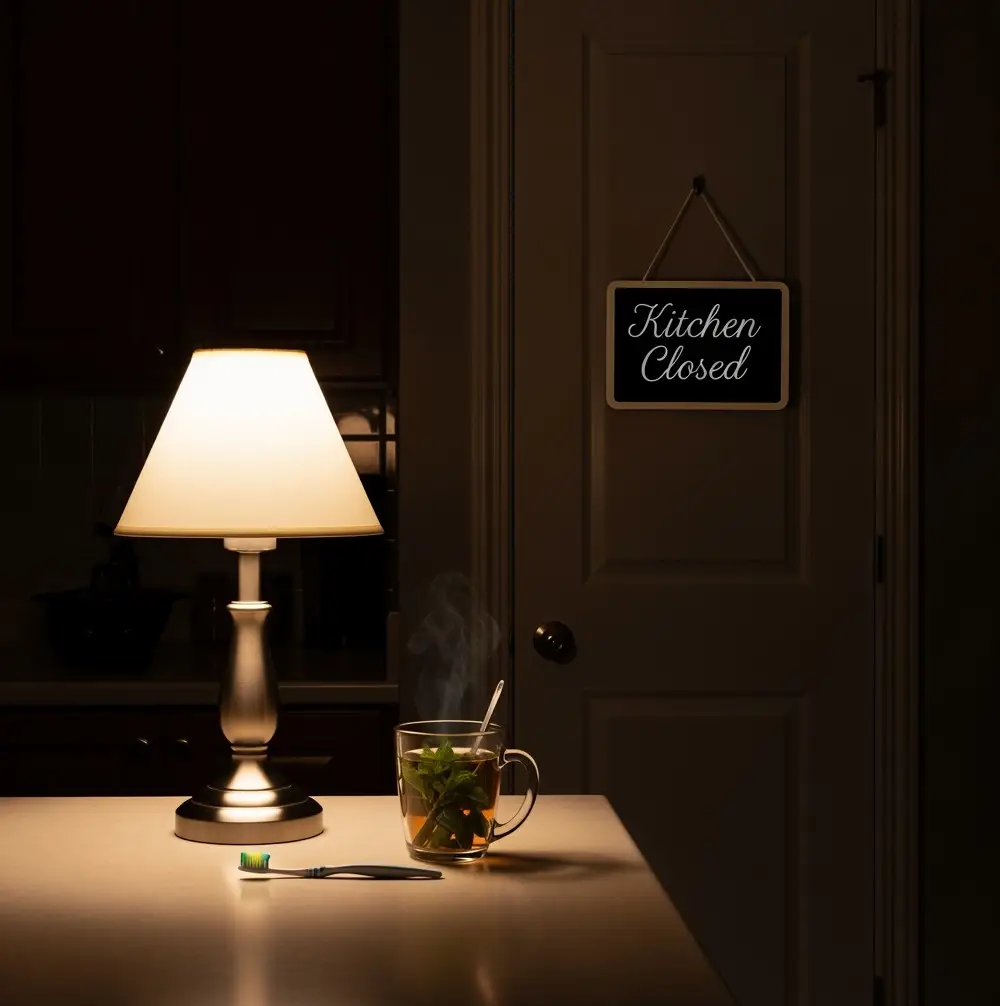
Behavioral psychology suggests that environment dictates habit; therefore, establishing a rigid “Kitchen Closed” routine and reducing blue light exposure are critical steps to avoid sugar cravings at night. These cues signal to the suprachiasmatic nucleus that the feeding window has ended and the sleep window has begun.
Establishing a “Kitchen Closed” Time:
One of the most effective behavioral tools to late-night sugar urges is setting a definitive “Kitchen Closed” time. This creates a psychological boundary. For example, if you finish dinner at 7:30 PM, you might set a rule that the kitchen closes at 8:30 PM.
This tactic works by reducing “decision fatigue.” Late at night, your willpower is at its lowest. If you have to decide whether to eat every time you walk past the pantry, you will eventually give in. By making the decision once “The kitchen is closed” you remove the constant internal negotiation. You can reinforce this habit by physically cleaning the kitchen, turning off the main lights, and brushing your teeth immediately after your cutoff time. The taste of mint toothpaste is a strong sensory signal to the brain that eating is finished for the day.
Alternative Dopamine Sources
Since we know that sugar cravings are often a request for dopamine, we can “hack” this system by providing alternative sources of pleasure that do not involve food. This is often called “replacement therapy” in behavioral psychology.
Instead of scrolling through social media (which can increase anxiety) or watching intense TV shows (which can increase cortisol), engage in activities that are soothing yet rewarding. Reading fiction engages the imagination and provides a form of escapism similar to the dopamine hit of food. Gentle stretching or Yoga Nidra relaxes the physical tension in the body, lowering cortisol. By building a “pleasure menu” of non-food activities, you retrain your brain to seek rewards from sources that support your well-being rather than sabotaging it.
Essential Tools & Resources for Cravings Management
To successfully avoid sugar cravings at night, relying on memory is insufficient. Utilizing specific cognitive frameworks, environmental controls, and analog tracking tools can externalize willpower and provide the biological cues necessary to reset your circadian rhythm.
Cognitive Frameworks (Psychological Tools)
These mental models act as “software” for your brain, allowing you to interrupt the automatic urge to eat.
- The H.A.L.T. Method: Originally used in addiction recovery, this acronym is a rapid diagnostic tool. Before opening the fridge, ask: “Am I Hungry, Angry, Lonely, or Tired?” If the answer is anything other than “Hungry,” food is not the solution.
- Urge Surfing (The 20-Minute Rule): A mindfulness technique where you visualize the craving as a wave. Research shows that most physiological cravings peak and subside within 15 to 20 minutes. Set a timer for 20 minutes; if the urge is still there after the timer rings, it may be physical hunger.
- The “Future Self” Visualization: A cognitive behavioral trick. Take 10 seconds to visualize how you will feel tomorrow morning. Will you feel energized and proud, or sluggish and regretful? Connecting the immediate action to a future consequence engages the prefrontal cortex.
Environmental Bio-Hacks (Physical Tools)
These are non-commercial adjustments to your physical space that signal “sleep time” rather than “eat time” to your biology.
- Digital Blue Light Filters: Blue light suppresses melatonin and can dysregulate insulin.
- Action: Enable “Night Shift” (iOS), “Eye Comfort Shield” (Android), or install f.lux on computers to automatically warm the screen colors after sunset.
- The “Pattern Interrupt” Flavor: Keep a strong, non-food flavor available to sever the craving loop.
- Action: Use high-quality Peppermint Tea or strong mint toothpaste. The menthol provides sensory stimulation that clashes with the profile of sugary foods, making them unappealing.
- Analog Sleep-Diet Journal: Apps can be distracting at night. Use a physical notebook to track the correlation between your day’s protein intake and that night’s cravings.
- Data Point: “Ate 30g protein at lunch = No cravings at 10 PM.”
Summary of Tools & Biological Impact
Here is a quick reference guide to matching the right tool with your specific craving trigger.
| Tool Category | Specific Tool | Best Used For… | Biological Mechanism |
| Diagnostic | The H.A.L.T. Check | Emotional Eating | Identifying emotional triggers (Cortisol/Stress) vs. Physical needs. |
| Environment | Blue Light Filters | Late-Night Grazing | Preserves Melatonin production; signals the SCN (Master Clock) to prepare for sleep. |
| Behavioral | 20-Minute Timer | Sudden Urges | Allows the dopamine spike to dissipate naturally without consumption. |
| Sensory | Mint Toothpaste | Dessert Cravings | “Palate Cleansing” signals the brain that the feeding window is closed. |
Real-Life Examples:
The “Night Shift” Metabolism
Sadia, a 34-year-old graphic designer, found herself trapped in a cycle of late-night working and snacking. “I would work until 1:00 AM, and by 11:30 PM, I felt like I needed a chocolate bar to keep going,” she explains. She assumed it was just a need for energy. However, after tracking her meals, she realized she was skipping lunch and eating a carb-heavy dinner. By adjusting her schedule to include a high-protein lunch and setting a strict ‘no screens’ rule 30 minutes before bed, her cravings vanished. “It wasn’t that I needed the sugar,” Sarah realized, “it was that my brain was exhausted and I wasn’t fueling it properly during the day.”
The Stress Eater
Mark, a corporate accountant, used ice cream as his nightly decompressing tool. “It was the only time of day I felt I could relax,” he says. The sugar wasn’t about hunger; it was about emotional transition. Mark decided to replace the ice cream with a hot herbal tea ritual. “At first, it was hard. I missed the texture,” he admits. “But after about a week, I realized the tea signalized ‘relaxation’ to my brain just as well as the ice cream did, but I slept better and woke up with more energy.” Mark’s story illustrates that the ritual of the treat is often more powerful than the sugar itself.
Frequently Asked Questions (FAQ):
Q: Why do I only crave sugar at night and not in the morning?
A: This is largely due to the circadian rhythm of hunger hormones. Cortisol is naturally lower at night, but if you are tired, ghrelin (hunger) spikes. Additionally, insulin sensitivity is lower at night, meaning cells aren’t getting energy efficiently, causing the brain to panic and demand quick sugar.
Q: Can drinking water help stop sugar cravings?
A: Yes. Mild dehydration is often confused by the brain as hunger. Drinking a glass of water can help distend the stomach slightly, sending a fullness signal to the brain via the vagus nerve. It also provides a moment of pause to assess if you are truly hungry.
Q: Is it bad to eat fruit at night if I crave sugar?
A: Whole fruit is significantly better than processed sugar because it contains fiber, which slows absorption. However, it still contains sugar. If you choose fruit, pair it with a fat or protein (like apple slices with almond butter) to stabilize the blood sugar response.
Q: How long does it take to break the habit of night snacking?
A: While habit formation varies, physiological cravings related to blood sugar often subside within 7 to 10 days of consistent dietary correction and improved sleep hygiene. The psychological habit may take closer to 30 days to fully rewire.
Q: Does brushing teeth early really help?
A: Psychologically, yes. The mint flavor of toothpaste often clashes with the taste of sweet foods, making them less appealing. It also serves as a “closing ceremony” for your eating window, signaling to your brain that the day’s consumption is over.
Q: What if I am actually hungry at night?
A: If you are physically hungry (stomach growling), you should eat a small, nutrient-dense snack to prevent waking up in the middle of the night. Avoid high-sugar foods. Opt for a small portion of protein or healthy fat, such as a hard-boiled egg, a piece of string cheese, or a few walnuts.
Final Verdict: The Neuro-Regulation Approach:
Overcoming the nightly pull toward sugar is not a test of your character; it is a test of your biology. When you try to fight these cravings with willpower alone, you are fighting against millions of years of evolutionary wiring that demands energy for a tired brain.
The “Neuroscience Protocol” we have outlined prioritizing sleep to silence ghrelin, stabilizing blood sugar with protein, and dimming the lights to trigger melatonin shifts the battleground. You are no longer resisting a craving; you are removing the neurological signal that creates it.
By treating sleep as your primary form of nutrition and respecting your circadian rhythm, you don’t just “avoid” the craving; you eliminate the physiological need for it entirely. Trust the protocol, be patient with your neurochemistry, and let your body find its natural rhythm.