
Why Red Light Therapy Affects Energy, Skin, and Sleep
Key Takeaways:
- It’s not just heat: Red light therapy works photochemically, not thermally, meaning it stimulates cells without burning or heating tissue.
- Cellular batteries: The primary mechanism involves boosting the mitochondria’s ability to produce ATP, the fuel your body uses for everything.
- Consistency is key: Unlike a pill that works immediately, benefits often require consistent exposure over 8–12 weeks.
- Specific wavelengths matter: Effective biological response is typically found within the specific ranges of 630–660 nm (red) and 810–850 nm (near-infrared).
- Circadian anchor: Using red light in the morning can help signal wakefulness to the brain, while avoiding blue light at night protects sleep.
In our modern digital lives, we spend the vast majority of our time indoors, bathed in artificial blue light from screens and overhead LEDs. This “light diet” is drastically different from the one humans evolved with, which consisted of sunrise-to-sunset exposure to the full spectrum of natural light. Many people report feeling fatigued, struggling with skin health, or experiencing disrupted sleep patterns, often without realizing that their light environment plays a massive role in these issues.
Understanding how light interacts with human biology is the foundation of biohacking and wellness. Light is not just for vision; it is a biological signal. Red light therapy represents a method of utilizing specific wavelengths of light to influence biological processes, aiming to restore some of the balance lost in our modern environments.
This guide explores the physiological mechanisms of photobiomodulation. You will learn exactly how specific wavelengths of light interact with your cells to potentially support energy production, skin health, and recovery. According to research published by the National Institutes of Health, specific light wavelengths can significantly impact mitochondrial function, yet understanding the nuance is critical to using it effectively.
1. What Is Red Light Therapy and How Does It Function?
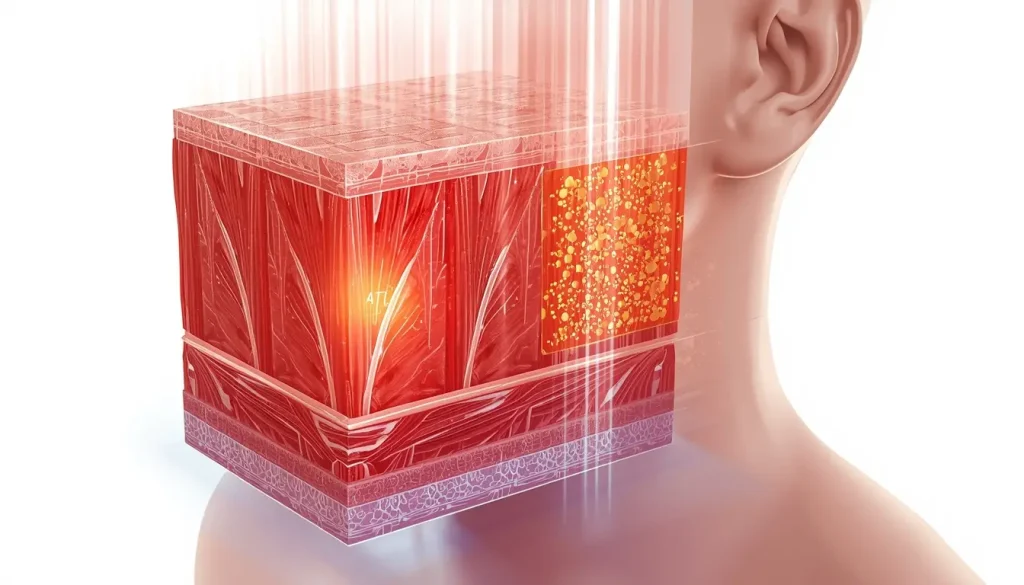
Red light therapy, also known as photobiomodulation (PBM), is a non-invasive treatment that uses low-level wavelengths of red and near-infrared light to stimulate cellular function. Unlike ultraviolet (UV) rays from the sun which can damage DNA, these specific wavelengths penetrate the skin to target mitochondria, promoting energy production and reducing oxidative stress without generating heat.
The Mechanism of Photobiomodulation
At its core, photobiomodulation is about energy transfer. When specific wavelengths of light typically between 600 and 900 nanometershit the skin, they are absorbed by chromophores (light-absorbing parts of a molecule) within the body’s cells. The most discussed mechanism involves an enzyme called cytochrome c oxidase, which sits inside the mitochondria.
Mitochondria are often referred to as the “power plants” of the cell. They produce Adenosine Triphosphate (ATP), which is the chemical energy currency of biology. When cells are stressed or aging, mitochondria produce less ATP and more free radicals (oxidative stress). Research suggests that red light therapy helps unbind nitric oxide from cytochrome c oxidase, allowing oxygen to bind more freely. This process essentially “revs up” the engine, allowing the mitochondria to produce ATP more efficiently.
Distinguishing Between Red and Near-Infrared
It is important to understand that “red light therapy” is an umbrella term often covering two distinct types of light that are usually delivered simultaneously:
- Red Light (approx. 630–660 nm): This wavelength is visible to the human eye. It is generally absorbed by the surface layers of the skin. It is primarily researched for its effects on skin texture, collagen density, and surface wound healing.
- Near-Infrared Light (approx. 810–850 nm): This light is invisible to the human eye. Because it has a longer wavelength, it can penetrate deeper into the body, potentially reaching muscles, joints, and even bone.
Comparison: Red Light vs. Near-Infrared Light
This table breaks down the specific biological targets and uses for each spectrum to help you choose the right protocol.
| Feature | Red Light | Near-Infrared (NIR) Light |
| Wavelength Range | 630 – 660 nm | 810 – 850 nm |
| Visibility | Visible (Bright Red) | Invisible to the human eye |
| Penetration Depth | Surface Level (Dermis/Epidermis) | Deep Tissue (2cm+ into body) |
| Primary Biological Target | Fibroblasts (Collagen producers) | Mitochondria in muscles, nerves, & bones |
| Best Application | Skin texture, wrinkles, wound healing, scars | Muscle recovery, joint pain, inflammation, brain health |
| Sensation | Negligible heat | Mild warmth (thermal effect is minimal) |
By understanding this distinction, you can better understand why different protocols exist for different goals, such as skin health versus muscle recovery.
2. The Impact of Red Light Therapy on Skin Health:
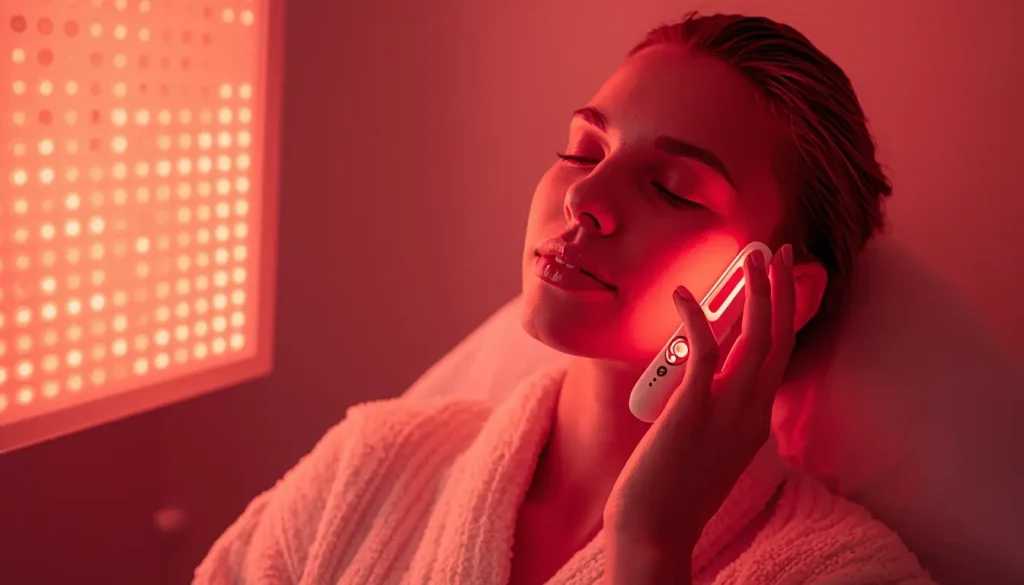
Using red light therapy for integumentary (skin) health is one of the most well-documented applications in dermatological science. By stimulating fibroblast activity, this therapy aims to enhance the structural integrity of the skin through natural biological pathways rather than chemical application.
Collagen Synthesis and Fibroblasts
Collagen is the most abundant protein in the human body, providing structure to skin, bones, and connective tissue. As we age, collagen production naturally declines, leading to wrinkles and skin laxity. Fibroblasts are the specific cells in the dermis responsible for manufacturing collagen.
Studies suggest that red light wavelengths (specifically in the 600nm range) can stimulate these fibroblast cells. When mitochondrial respiration increases, fibroblasts have more energy to perform their primary function: building the extracellular matrix. This is not an immediate swelling or inflammation reaction, but a gradual upregulation of protein synthesis. Over time, this can lead to improved skin density and elasticity.
Wound Healing and Inflammation reduction
Beyond aesthetics, the biological implications for wound healing are significant. Chronic wounds or slow-healing injuries often suffer from a lack of cellular energy and poor circulation. By increasing ATP production, cells involved in tissue repair can function more effectively.
Furthermore, red light therapy is observed to modulate inflammation. Acute inflammation is a necessary part of healing, but chronic inflammation halts repair. Photobiomodulation has been shown to reduce pro-inflammatory cytokines while increasing anti-inflammatory cytokines. This balance is crucial for moving skin from a state of chronic irritation to a state of repair.
Data indicates that this is not a “magic erase” button but a support system for the body’s own repair mechanisms. It requires a biological timeline skin cycles take roughly 28 days, and noticing genuine structural changes often requires consistent application over several skin cycles.
3. Deep Tissue: Muscle Recovery and Joint Health:
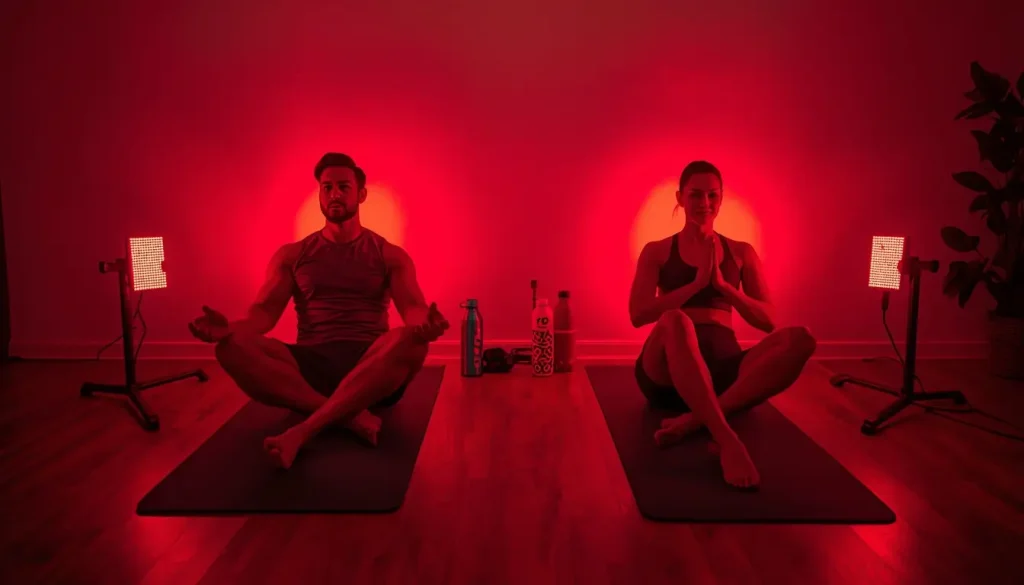
While red light targets surface issues, near-infrared (NIR) wavelengths penetrate deeper, addressing muscle tissue and joint environments. This section explores how red light therapy is utilized in sports science and physical therapy to manage recovery and physical discomfort.
Reducing Delayed Onset Muscle Soreness (DOMS)
Physical exercise causes microscopic tears in muscle fibers. The repair of these tears makes muscles stronger, but the process is accompanied by inflammation and pain, known as DOMS. Biohackers and athletes use red light therapy not to stop the workout stress, but to accelerate the resolution of that stress.
When NIR light penetrates to the muscle tissue, it promotes blood flow (vasodilation) and improves mitochondrial efficiency within the muscle cells. Enhanced circulation brings oxygen and nutrients to the site of repair and washes away metabolic waste products like lactate more efficiently. Some studies have indicated that applying light therapy before exercise (pre-conditioning) may actually protect muscles from excessive damage, potentially extending endurance.
Addressing Joint Pain and Stiffness
Joint pain, whether from overuse or conditions like osteoarthritis, is largely driven by inflammation. The avascular nature of cartilage (meaning it has very little blood supply) makes joints notoriously difficult to heal.
Near-infrared light can reach the joint capsule. By reducing oxidative stress in the synovial fluid and surrounding tissues, it may help alleviate stiffness. The mechanism here is similar to skin healing but takes place in a deeper biological environment. The goal is to lower the inflammatory markers that cause pain signaling.
For those interested in general physical maintenance, this offers a tool to support mobility. It is a passive therapy, meaning it does not require active movement to work, which can be beneficial during the acute phases of injury where movement is restricted.
4. Red Light Therapy and Sleep: The Circadian Connection:
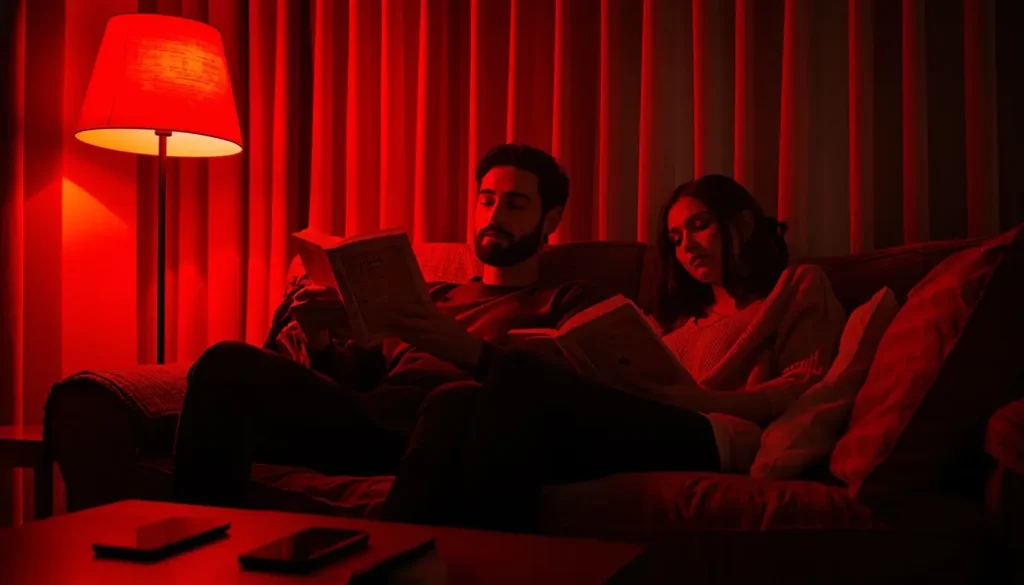
Red light therapy plays a fascinating dual role in sleep science: it can be used to signal wakefulness during the day or to provide illumination that does not disrupt melatonin at night. Understanding the timing is crucial for aligning your circadian rhythm.
The Problem with Artificial Blue Light
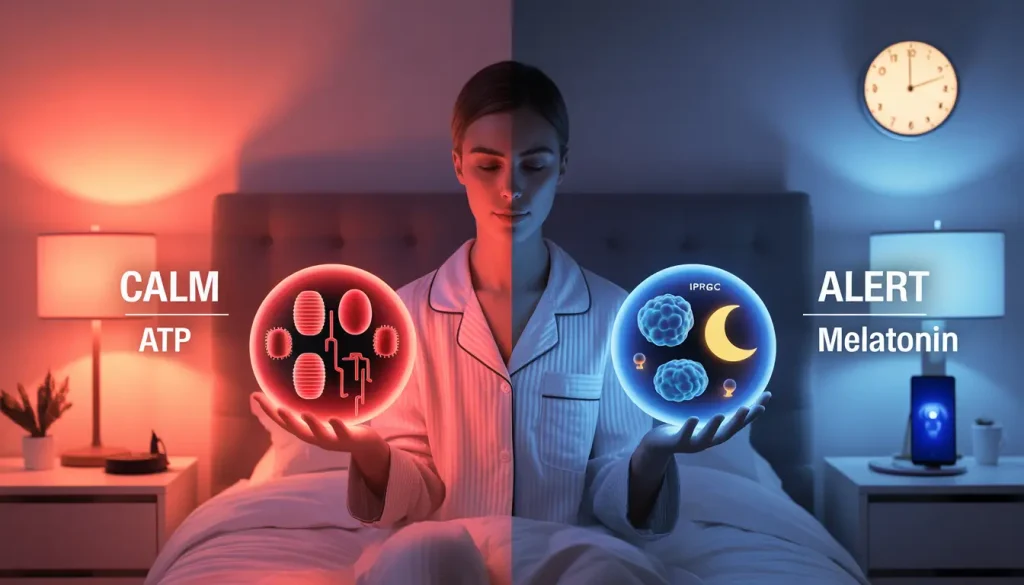
To understand why red light is beneficial for sleep, we must first understand the antagonist: blue light. The ganglion cells in our retinas contain a pigment called melanopsin, which is highly sensitive to blue light frequencies (like those from the sun or a smartphone). When these cells detect blue light, they signal the suprachiasmatic nucleus (the brain’s master clock) that it is daytime, suppressing the production of melatonin, the sleep hormone.
In the evening, standard home lighting and screens mimic daylight, confusing our biology and delaying sleep onset. This is where red light becomes a critical tool for “digital hygiene.”
Using Red Light to Support Melatonin
Red light has a low color temperature and acts as a neutral agent for the circadian clock. Unlike blue light, red wavelengths do not suppress melatonin production.
Using ambient red light in the evening (instead of bright overhead LEDs) creates a “biological darkness.” It allows you to see and function in your home without triggering the daytime wakefulness signal in the brain. This helps facilitate a natural transition into sleep.
Additionally, some protocols suggest using bright red/NIR therapy in the morning. While blue light is the primary wake-up signal, a blast of high-intensity light (even red) early in the day helps anchor the circadian rhythm, boosting morning alertness through mitochondrial activation. This creates a stronger “sleep pressure” for the following night.
5. Cognitive Function and Brain Health:
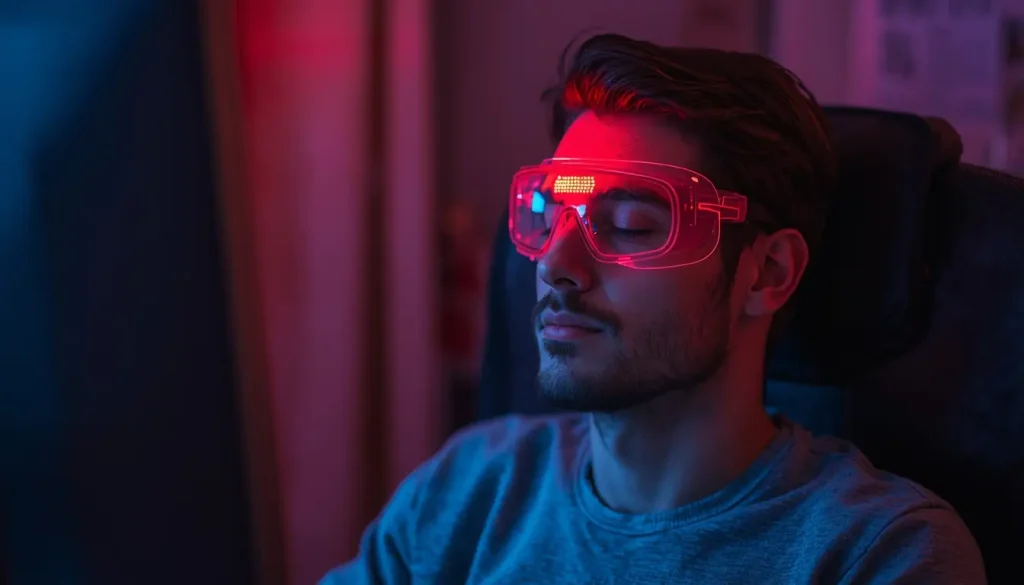
Emerging research is investigating the effects of transcranial photobiomodulation delivering near-infrared light to the brain through the skull. This area of study focuses on how light energy might support neuronal function and cognitive clarity.
Metabolic Support for Neurons
The brain is the most energy-demanding organ in the body, consuming roughly 20% of the body’s total energy despite only weighing a few pounds. Neurons are packed with mitochondria to sustain this demand. When brain cells struggle to produce enough energy (a condition often termed “hypometabolism”), cognitive decline or brain fog can occur.
Because near-infrared light can penetrate bone, research suggests that applying these wavelengths to the head may reach the cortical layers of the brain. The theory remains consistent: by upregulating ATP production in neurons, the brain may function more efficiently. This is currently being studied in contexts ranging from traumatic brain injury to age-related cognitive decline.
Neuroprotection and Blood Flow
Beyond energy, there is the aspect of cerebral blood flow. Optimal blood flow is required to deliver oxygen and glucose to brain tissue. Photobiomodulation has been observed to increase regional cerebral blood flow.
Furthermore, the anti-inflammatory effects noted in other tissues may also apply to the brain (neuroinflammation). By reducing oxidative stress in the neural environment, red light therapy may offer a neuroprotective effect. While this is a frontier area of science and not a guaranteed cure for cognitive issues, it represents a significant area of interest in the biohacking community for maintaining long-term cognitive acuity.
6. Red Light Therapy: Safety, Risks, and Dosage Protocols:
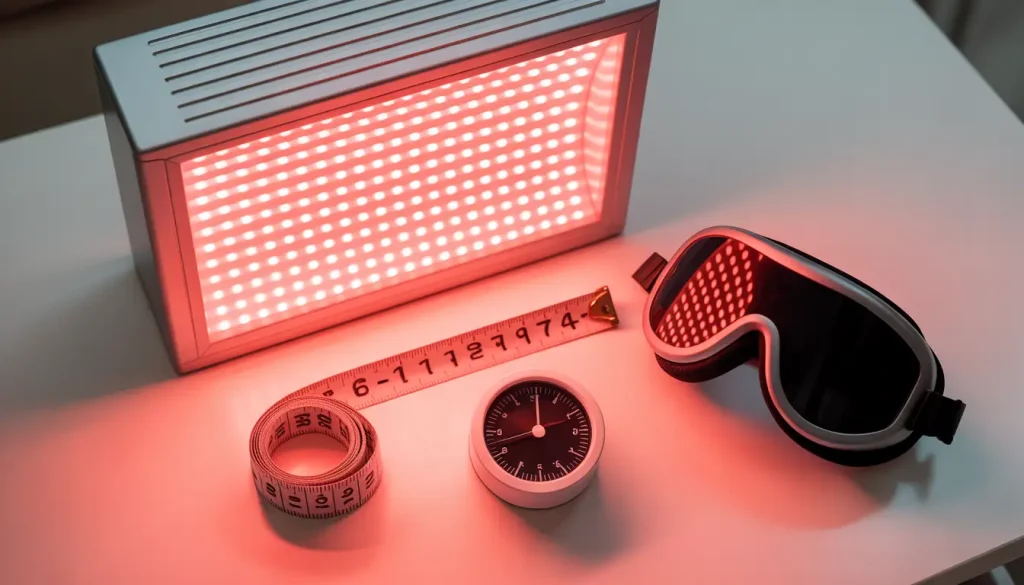
While red light therapy is generally considered safe, it is not without risks if used improperly. Understanding the concept of “biphasic dose response” is essential to avoid negating the benefits or causing strain.
The Biphasic Dose Response:
In biology, more is not always better. This is known as the Arndt-Schultz Law or the biphasic dose response.
- Too little stimulus: No biological response occurs.
- Optimal stimulus: Cellular function is improved.
- Too much stimulus: The benefits are lost, or cellular function is inhibited.
If you expose your cells to too much light energy, you can cause an inhibitory effect, essentially tiring the cells out rather than energizing them. Most home users fall into the trap of thinking longer sessions equal better results. In reality, adherence to recommended timeframes (usually 10–20 minutes) is biologically superior to marathon sessions.
From a clinical perspective, red light therapy is increasingly discussed within mainstream healthcare settings. According to the Cleveland Clinic, photobiomodulation is considered a non-invasive therapy that may support tissue repair, reduce inflammation, and assist cellular recovery when used appropriately. Medical institutions emphasize that while red light therapy shows promise, results depend heavily on proper wavelength selection, dosage, and consistency rather than excessive exposure.
Eye Safety and Contraindications:
There is debate regarding eye safety. While some red light is used therapeutically for eyes in clinical settings, high-intensity LEDs used in body panels can be extremely bright and potentially damaging to the retina if stared at directly for prolonged periods, especially the near-infrared wavelengths which you cannot see but your eyes still absorb.
- General Rule: It is widely recommended to wear blackout goggles or close your eyes when using high-power panels, especially if the light is directed at the face.
- Contraindications: Those taking photosensitizing medications (like isotretinoin or lithium) should consult a doctor, as their skin is hypersensitive to light. Additionally, although no adverse effects are definitively proven, pregnant individuals generally avoid new therapies without medical approval.
Human Perspectives:
The Recovery Routine: Mark, a 42-year-old amateur runner, struggled with persistent Achilles tendon soreness that disrupted his training schedule. After six months of traditional rest and ice with minimal improvement, he integrated a localized red light device into his morning routine. “I stopped expecting an overnight miracle,” he notes. “But after about three weeks of daily 10-minute sessions, I noticed the stiffness was significantly less in the mornings.” Mark emphasized that he didn’t change his running shoes or diet; the light therapy was the only variable, helping him maintain his mileage without the nagging pain he had accepted as normal.
The Sleep Reset: Sarah, a software developer, suffered from “tired but wired” syndrome exhausted all day but unable to sleep at night. She realized her home office and evening environment were saturated with bright white LEDs. She swapped her evening lighting for ambient red bulbs and used a small red light panel for 15 minutes while reading before bed. “It wasn’t about treating a disease,” she explains. “It was about signaling to my body that the day was over.” Within two weeks, her sleep onset latency (the time it takes to fall asleep) dropped from over an hour to under 20 minutes, illustrating the power of light as a biological signal.
Tools & Resources for Red Light Therapy
This section outlines non-commercial concepts and behavioral tools to help you integrate these findings.
- The “Sunset” Simulation: You do not need expensive technology to mimic the benefits of red light for circadian rhythms. Simply turning off overhead lights and using floor lamps with warm-colored, low-wattage bulbs after sunset can mimic the biological signal of dusk.
- The Distance Ruler: When using a therapy device, distance is critical. Intensity drops off quickly as you move away. A simple tape measure is a vital tool. Most protocols require the skin to be 6 to 12 inches from the source for deep tissue, or 12 to 24 inches for general skin health.
- Consistency Tracker: Because photobiomodulation is cumulative, tracking sessions is helpful. A simple paper calendar where you mark off daily sessions helps ensure you reach the 8–12 week threshold where results are typically seen.
Frequently Asked Questions (FAQ):
Q: Can I wear clothes during red light therapy??
A: For the therapy to be effective, the light must reach the skin. Clothing blocks the majority of the light wavelengths. You should expose the area of the body you wish to treat directly to the light source.
Q: How often should I use red light therapy?
A: RMost research suggests that daily or near-daily use (4–6 times per week) is ideal. Cellular changes are cumulative, so consistency is more important than intensity.
Q: Does red light therapy tan the skin?
A: No. Tanning is caused by UV (ultraviolet) radiation. Red light therapy devices do not emit UV rays and therefore will not tan the skin or cause sunburn.
Q: What is the best time of day to use it?
A: This depends on your goal. For energy and circadian alignment, morning use is often preferred. For winding down (using ambient red light) or muscle recovery after a workout, evening use is effective. However, avoid bright, high-intensity light directly in the eyes right before bed.
Q: How long does it take to see results?
A: Tissue repair and collagen production are slow biological processes. While some people feel acute relief from muscle pain, structural skin changes or chronic pain reduction typically require 8 to 12 weeks of consistent use.
Q: Is near-infrared light safe?
A: Yes, it is generally considered safe, but because it is invisible, you do not have the visual reflex to look away or close your eyes. It generates very little heat, but caution regarding eye exposure is always recommended.
Final Verdict:
Red light therapy is more than just a wellness trend; it is a tool rooted in the fundamental biology of how our cells create energy. By utilizing specific wavelengths of the light spectrum, we can support mitochondrial function, aid in the management of inflammation, and align our circadian rhythms in an increasingly artificial world.
However, it is not a cure-all. It works best when viewed as a support mechanism a way to provide your cells with the energy they need to do the work they are already designed to do. Whether you are seeking better skin health, muscle recovery, or a natural way to signal sleep, understanding the science of light is the first step toward better biological harmony.