
Cold Showers vs Ice Baths: The Science-Backed Truth About Results
Key Takeaways:
- The Depth Factor: Ice baths utilize hydrostatic pressure, which a shower cannot replicate, to force fluid movement and reduce swelling.
- 11 Minutes: Research suggests that 11 total minutes of cold exposure per week is the threshold for significant metabolic improvements.
- Surface Area Matters: Results from ice baths are roughly 3x more potent for inflammation because 100% of the skin surface is submerged simultaneously.
- The “Cold Shock” Curve: While a cold shower provides a quick dopamine spike, only an ice bath can reliably drop core body temperature enough to activate deep brown fat stores.
It usually starts with a TikTok or a podcast someone talking about the life-changing magic of freezing water. You stand at the edge of your bathtub or stare at your showerhead, wondering if the discomfort is truly worth the hype. The debate often boils down to a single question: do I really need to sit in a tub of ice, or can I get the same cold showers vs ice baths results just by turning the handle to the blue side?
The truth is that while both involve low temperatures, they trigger vastly different biological responses. One is a gentle nudge to your nervous system; the other is a sledgehammer to your physiology. Whether you are an athlete looking to crush systemic inflammation or a desk worker trying to cure brain fog, understanding the “why” behind the water is the difference between wasting your time and transforming your biology.
According to research published by UCLA Health, cold exposure can boost the immune system by increasing the concentration of white blood cells (leukocytes). However, the intensity of that boost depends heavily on the delivery method. By the end of this guide, you will understand exactly how your body reacts to each modality and which one is the “Goldilocks” zone for your specific goals.
1.The Biological Mechanism: How Cold Showers vs Ice Baths Results Differ:
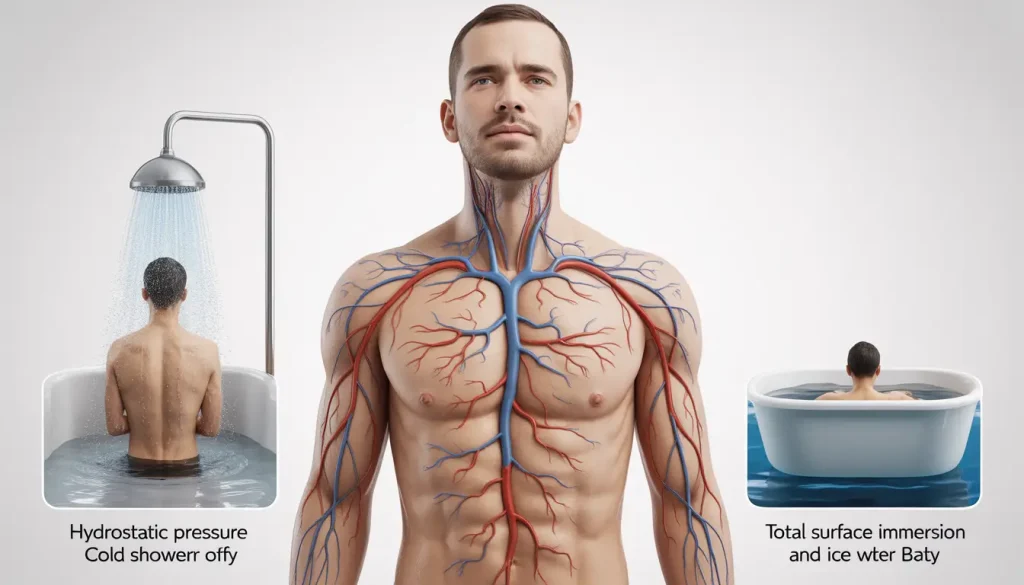
Cold showers vs ice baths results differ primarily due to “total surface area immersion” and “hydrostatic pressure.” While a shower provides a localized, moving cold stimulus, an ice bath creates a consistent, high-pressure environment that forces blood toward the core and triggers a deeper parasympathetic response.
Both methods fall under the broader umbrella of cold exposure therapy, but the intensity and biological depth of adaptation differ significantly.
1. The Role of Hydrostatic Pressure
In a shower, the water hits your skin and immediately runs off. In an ice bath, you are submerged. This submersion creates hydrostatic pressure the weight of the water pushing against your body. This pressure acts like a full-body compression sleeve, assisting the lymphatic system in flushing out metabolic waste. This is why athletes seeking cold showers vs ice baths results for recovery almost always choose the bath; the shower simply lacks the mechanical force to move fluid through deep tissues.
2. Peripheral Vasoconstriction
When your skin hits 50°F (10°C) water, your blood vessels constrict (vasoconstriction). This is the body’s way of protecting its core organs. In an ice bath, this process is systemic and absolute. In a shower, parts of your body remain “warm” as the water misses them, meaning your core temperature barely moves. Research from the NIH indicates that the metabolic shift required for thermogenesis the process of creating heat is significantly more pronounced when the entire body is challenged at once.
2.Comparing Recovery Results: Muscle Soreness and Inflammation:
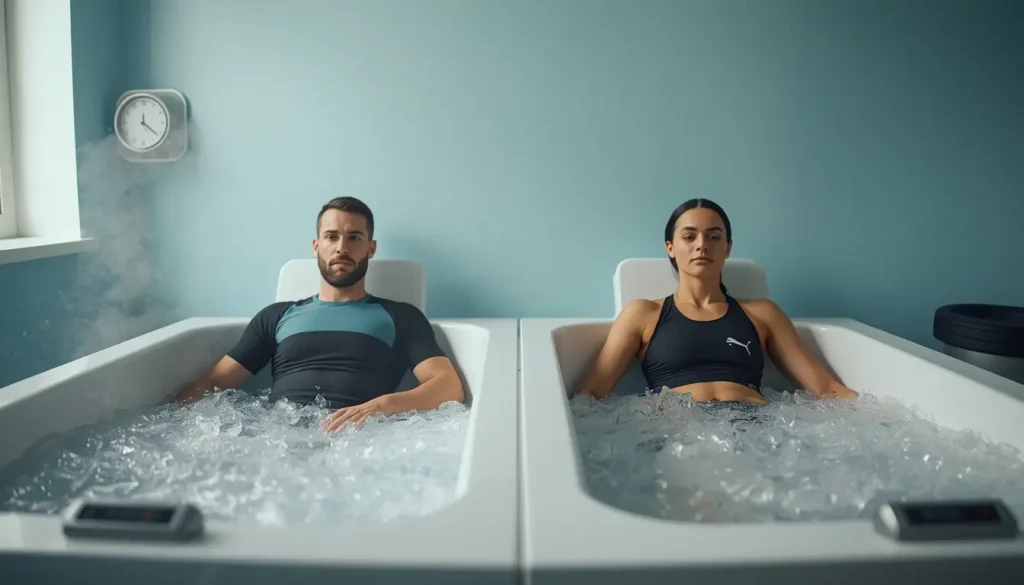
For reducing Delayed Onset Muscle Soreness (DOMS), the cold showers vs ice baths results favor the bath. Research suggests that 10–15 minutes in 50–59°F water is the optimal protocol for reducing the protein markers associated with muscle damage.
The 15-Minute Rule
Studies have shown that to effectively reduce muscle inflammation, the tissue temperature must drop significantly. A shower, which typically reaches 55–60°F at best and doesn’t cover the whole body, often fails to lower the intramuscular temperature enough to provide the “anesthetic” effect athletes crave. The Mayo Clinic notes that while ice baths are superior for recovery, they should be avoided immediately after strength training if your goal is hypertrophy (muscle growth), as they may blunt the signaling pathways for muscle repair.
For athletes training frequently, applying cold exposure for muscle recovery requires precise timing to reduce soreness without blunting long-term adaptation.
Flushing Lactic Acid
The “flush” effect is one of the most cited cold showers vs ice baths results. When you exit an ice bath, your blood vessels rapidly dilate (vasodilation), rushing fresh, oxygenated blood back into the muscles. This “pump” is far less intense after a shower because the initial constriction wasn’t as severe.
Cold Showers vs Ice Baths: Key Differences at a Glance
| Feature | Cold Shower | Ice Bath |
| Typical Temp | 55°F – 65°F | 38°F – 55°F |
| Primary Goal | Alertness / Skin Health | Recovery / Mental Toughness |
| Time Required | 2–5 Minutes | 3–10 Minutes |
| Biological Trigger | Mild Norepinephrine | Mammalian Dive Reflex |
| Equipment | None | Tub / Ice / Chiller |
| Accessibility | 10/10 | 4/10 |
3.Mental Health and the Vagus Nerve:
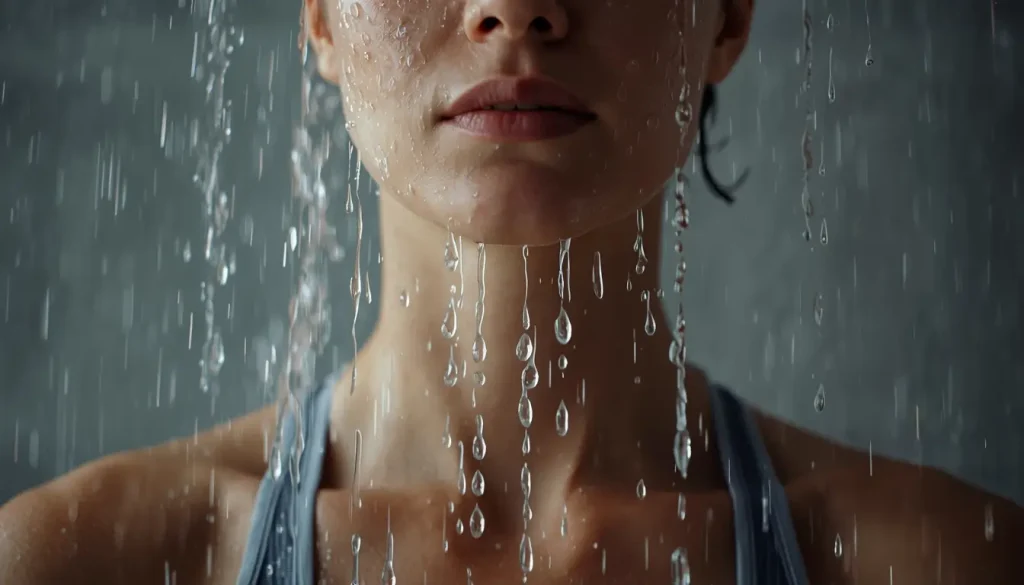
The results for mental clarity and mood come down to the “Mammalian Dive Reflex.” When you submerge your face and chest in cold water (ice bath), your heart rate slows and your vagus nerve is stimulated, leading to a profound state of calm that a shower cannot replicate.
The Dopamine Spike
Both methods trigger a release of norepinephrine and dopamine. In fact, a famous study published in PubMed showed that cold water immersion at 57°F can increase dopamine levels by up to 250%. However, the duration of this elevated mood is often longer with an ice bath because the “stress” placed on the body is more significant, leading to a larger compensatory “feel-good” response afterward.
Training the “Gasp Reflex”
In a cold shower, you can step out the moment it gets too hard. In an ice bath, you are committed. This builds a unique form of “top-down” mental control. By forcing yourself to stay still while your brain screams “get out,” you are training your prefrontal cortex to override your amygdala (the fear center). This is a core reason biohackers prefer the bath when looking for long-term psychological cold showers vs ice baths results.
If your primary goal is daily alertness and mood regulation, understanding the full benefits of cold showers can help you decide whether immersion is even necessary.
4.Metabolism and Fat Loss: The Science of Brown Fat:
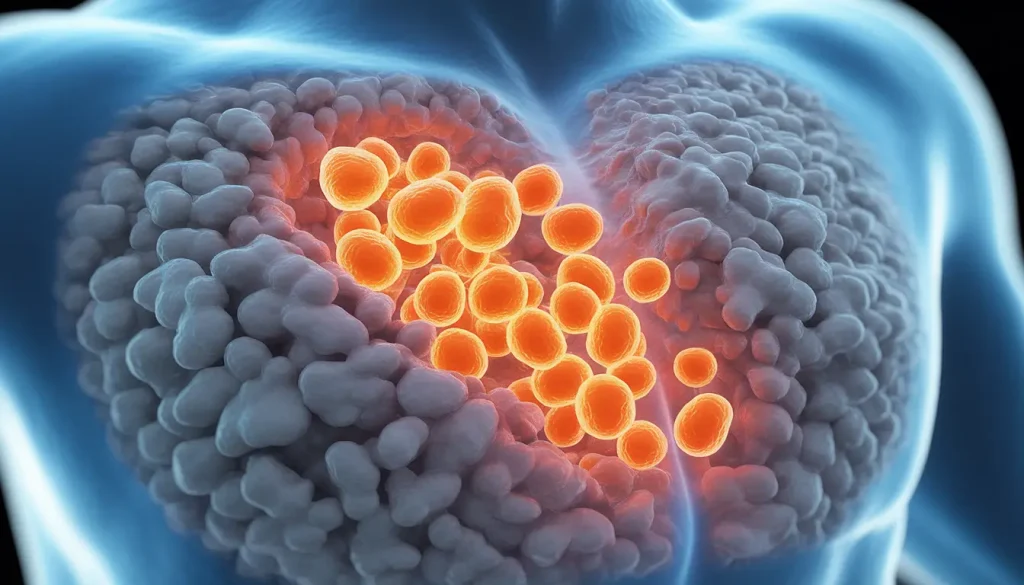
Metabolic results are tied to Brown Adipose Tissue (BAT). Unlike white fat, brown fat burns calories to generate heat. To activate BAT, the body must reach a state of “shiver thermogenesis,” which is much easier to achieve in an ice bath than a shower.
Caloric Burn vs. Adaptation
Taking a cold shower might burn an extra 20–50 calories as your body struggles to stay warm. However, the real cold showers vs ice baths results come from the long-term adaptation. Regular immersion in an ice bath can actually “recruit” more brown fat over time, turning your body into a more efficient furnace. A shower is simply not a large enough thermal “sink” to move the needle for most people’s metabolic rates.
Practical Case Studies:The Transition from Shower to Soak
The “Morning Fog” Mark, a 42-year-old software engineer, started with 30-second cold showers to combat afternoon fatigue. For the first month, he felt a brief “zap” of energy that lasted about an hour. However, it wasn’t until he transitioned to a dedicated 50°F ice bath three times a week that his chronic knee inflammation subsided and his deep sleep scores (tracked via wearable) increased by 15%. His experience mirrors the data: showers are great for a “wake up,” but the bath is required for systemic repair.
Practical Case Studies:The “Cold-Adapted” Athlete
The Marathoner’s Strategy Sarah used cold showers religiously for two years, believing she was getting full recovery benefits. After a particularly grueling race, she tried a 54°F ice bath. She noted that while the shower made her “feel” fresh, the bath actually reduced the physical swelling in her ankles by the next morning something the shower had never achieved.
Tools & Resources for Cold Therapy
To optimize your cold showers vs ice baths results, you don’t necessarily need a $5,000 setup. Here are the informational resources and tools you can use to track and improve your practice:
- Infrared Thermometer: Essential for checking the actual water temperature of your shower vs. a bath (most showers aren’t as cold as you think).
- The 11-Minute Protocol: A science-based guideline suggesting 11 minutes of total “uncomfortable” cold exposure per week, spread across 3–4 sessions.
- Box Breathing Technique: Inhale for 4, hold for 4, exhale for 4, hold for 4. This is the gold standard for managing the initial “cold shock” in an ice bath.
- The Huberman Lab Toolkit: An informational framework for timing your cold exposure (ideally in the morning to align with natural cortisol spikes).
Frequently Asked Questions (FAQ):
Q: Can cold showers replace ice baths for weight loss??
A: Not effectively. While cold showers can slightly increase metabolic rate, they lack the intensity to significantly activate and grow brown adipose tissue (BAT) compared to the full-body immersion of an ice bath.
Q: How long do I need to stay in an ice bath to see results?
A: Most research suggests 2 to 5 minutes at temperatures between 50°F and 59°F. Going longer than 10 minutes increases the risk of hypothermia without providing significant additional benefits.
Q: Is it better to take a cold shower in the morning or night?
A: Morning is generally better. Cold exposure increases core body temperature (as the body fights back) and spikes cortisol/alertness. Doing this at night can interfere with the natural cooling process required for deep sleep.
Q: Are cold showers safer than ice baths?
A: Yes. Cold showers carry a lower risk of “cold shock” and hypothermia because you can easily step out and the temperature is rarely below 55°F. Ice baths require more caution, especially for those with heart conditions.
Q: Which is better for the immune system?
A: Both provide benefits, but the cold showers vs ice baths results for immunity lean toward the bath. The higher intensity of immersion triggers a larger release of leukocytes and anti-inflammatory cytokines.
Final Verdict:
When choosing between cold showers vs ice baths results, the winner depends entirely on your objective.
If you want a low-barrier way to improve your mood, tighten your skin, and wake up without caffeine, a cold shower is your best friend. It is a sustainable, daily habit that requires zero extra equipment.
However, if you are looking for serious athletic recovery, significant metabolic changes, or a profound shift in your stress resilience, the ice bath is the undisputed champion. The combination of hydrostatic pressure and extreme temperature creates a biological environment that a showerhead simply cannot replicate.
Moreover: Explore how cold exposure therapy works at a cellular level and when it actually makes sense to use it.