
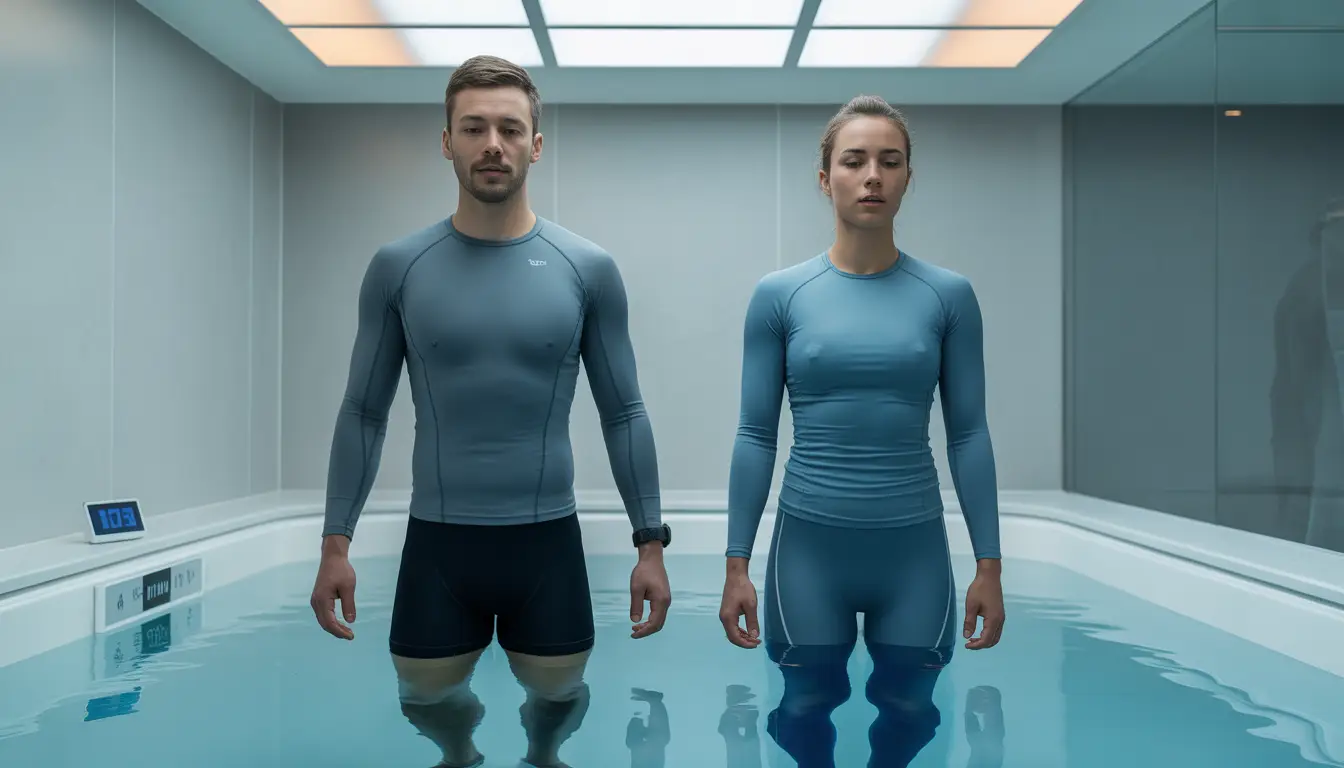
Cold Exposure for Muscle Recovery: When It Helps, When It Hurts
Key Takeaways:
- The Inflammation Signal: Targeted inflammation is necessary for muscle growth; using cold too early can blunt your gains.
- The 11-Minute Metric: Science suggests a cumulative 11 minutes of cold exposure per week is the threshold for metabolic benefits.
- Norepinephrine Spike: Cold shock triggers a massive release of neurotransmitters that aid both physical and mental recovery.
- Hydrostatic Advantage: Submersion provides compression that air-based cryotherapy cannot replicate.
The sensation is unmistakable: the initial gasp, the tightening of the skin, and the sudden urge to retreat. Yet, for elite performers and biohackers alike, the icy tub has become a sanctuary for physical renewal. Using cold exposure for muscle recovery is a practice rooted in thousands of years of human history, but only recently have we begun to unlock the cellular “why” behind the chill. It isn’t just about the immediate numbing of a sore muscle; it is a complex physiological intervention that recalibrates your internal environment.
When we push our bodies to the limit, we create micro-trauma in muscle fibers, leading to a cascade of inflammation and metabolic byproducts. Without a strategy, this leads to the dreaded “heavy leg” syndrome that can stall training for days. According to research cited by the Mayo Clinic, the strategic application of cold helps manage the body’s inflammatory response, preventing secondary tissue damage. In this guide, we will explore the deep biology of cold immersion, from the narrowing of your blood vessels to the resetting of your nervous system, ensuring you have a science-backed framework to optimize your recovery without compromising your long-term goals.
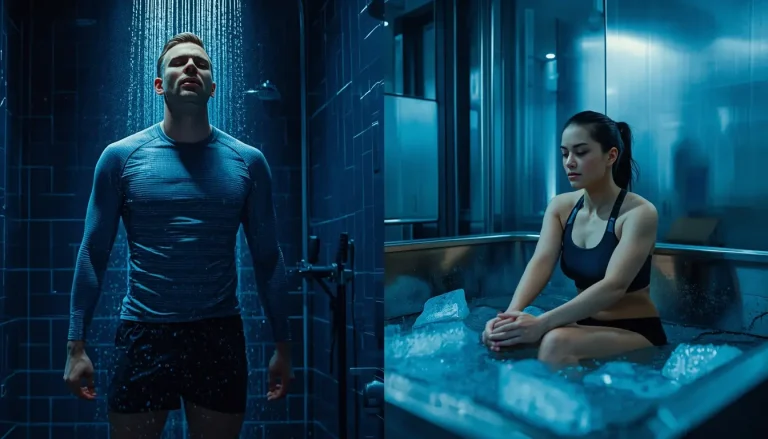
If you’re exploring how cold affects your physiology, it helps to first understand the broader benefits of cold showers, which include improved metabolic activation, immune resilience, and sustained neurotransmitter shifts that support performance and recovery alike.
1.The Physiology of Vasoconstriction and Blood Flow:
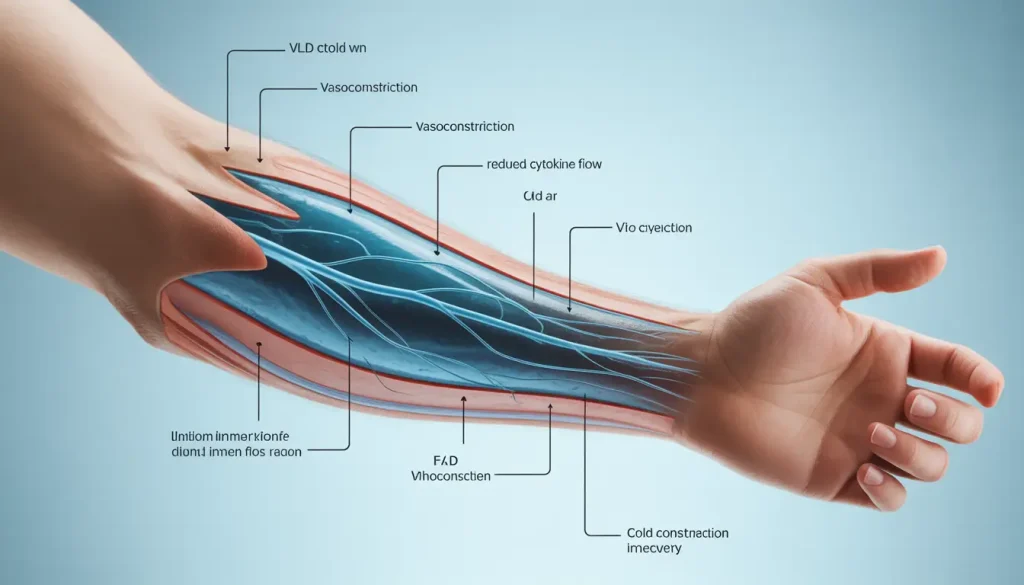
Cold exposure for muscle recovery works by triggering immediate vasoconstriction, where blood vessels narrow to redirect blood toward the core. This process reduces the infiltration of inflammatory cells into damaged muscle tissue, effectively limiting swelling and the accumulation of metabolic waste products like lactic acid and creatine kinase.
The biological magic of the cold begins at the surface of the skin. As the temperature drops below the thermal neutral zone, thermoreceptors send an urgent signal to the brain’s hypothalamus. The response is a rapid tightening of the smooth muscles surrounding your peripheral blood vessels. This “shunting” of blood serves two purposes: it protects your core temperature and acts as a biological “tourniquet” for exercise-induced muscle damage. By reducing the volume of blood reaching the micro-tears in your muscles, you effectively minimize the migration of inflammatory cytokines. These chemicals are necessary for repair, but in excess, they cause the swelling and heat associated with acute pain.
Once you exit the cold environment, your body undergoes a process called “reactive hyperemia.” As your tissues warm back up, the vessels dilate significantly wider than their original state. This creates a powerful “flushing” effect. Think of it like a sponge: the cold squeezes the old, byproduct-laden fluid out of the muscle, and the re-warming allows fresh, oxygen-rich blood to rush back in. This cycle is critical for clearing out creatine kinase an enzyme that spills into the blood when muscle cells are damaged. By accelerating the removal of these markers, you decrease the metabolic load on your kidneys and liver, allowing your system to return to a state of homeostasis much faster than through passive rest alone.
2.Mitigating DOMS and Pain Perception:
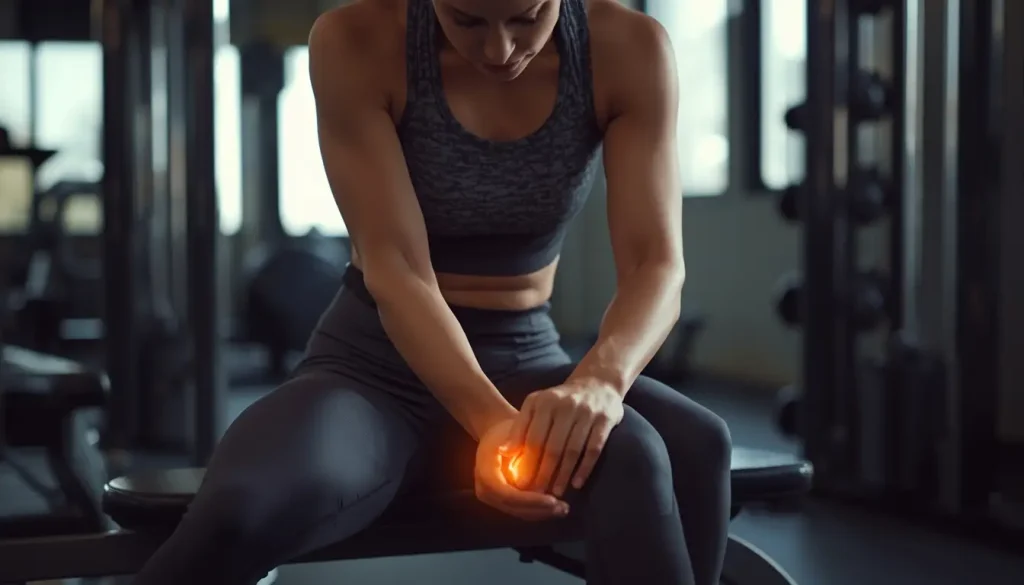
Cold exposure for muscle recovery is highly effective at reducing the intensity of Delayed-Onset Muscle Soreness (DOMS). By slowing down nerve conduction velocity, the cold acts as a natural analgesic, dulling the pain signals that typically peak 24 to 72 hours after strenuous exercise.
Before we unpack DOMS and pain modulation, it helps to revisit the broader context of cold exposure therapy, where the biological effects of cold on vasoconstriction, neurochemical signaling, and systemic stress adaptation are explored in depth. Delayed-Onset Muscle Soreness (DOMS) is the primary enemy of training consistency. It isn’t just a physical sensation; it is a neurological event. When muscle fibers are strained, the resulting chemical environment sensitizes nociceptors (pain receptors). Cold exposure addresses this on two fronts. First, the reduction in local temperature slows down the speed at which nerves can transmit pain signals to the brain. This is why an ice pack feels like it “numbs” the area it is literally slowing down the electrical communication of pain.
Furthermore, the cooling of the muscle tissue reduces the metabolic rate of the localized cells. Following intense exercise, cells that weren’t directly damaged can sometimes suffer “secondary hypoxic injury” due to the surrounding inflammatory chaos. By cooling the area, you lower the oxygen demand of these cells, helping them survive the post-workout period intact. Research in Frontiers in Physiology highlights that individuals using cold water immersion consistently report lower “perceived exertion” in subsequent training sessions. This psychological belief of being recovered is just as important as the physical reality, as it allows for higher intent and focus during the next workout. By dampening the inflammatory peak, cold exposure ensures that your movement patterns aren’t compromised by the stiffness and guardedness that usually follow a heavy training day.
Educational Table: The Cold Exposure Decision Matrix
| Goal | Optimal Method | Timing | Why? |
| Max Muscle Size | Active Recovery Cold | 24 Hours Post-Training | Avoids blunting mTOR protein signaling. |
| Endurance/Volume | Cold Water Immersion | 0–30 Mins Post-Training | Fast-tracks waste clearance for high frequency. |
| Injury/Acute Pain | Targeted Ice/CWI | Immediate | Minimizes secondary hypoxic injury & swelling. |
| Mental Clarity | Cold Shower / Face Dip | Anytime | Stimulates Vagus nerve and Norepinephrine. |
| Stiffness Relief | Contrast Therapy | Post-Workout | Creates vascular pump to move stagnant fluid. |
3.Hydrostatic Pressure: The Secret Factor of Immersion:
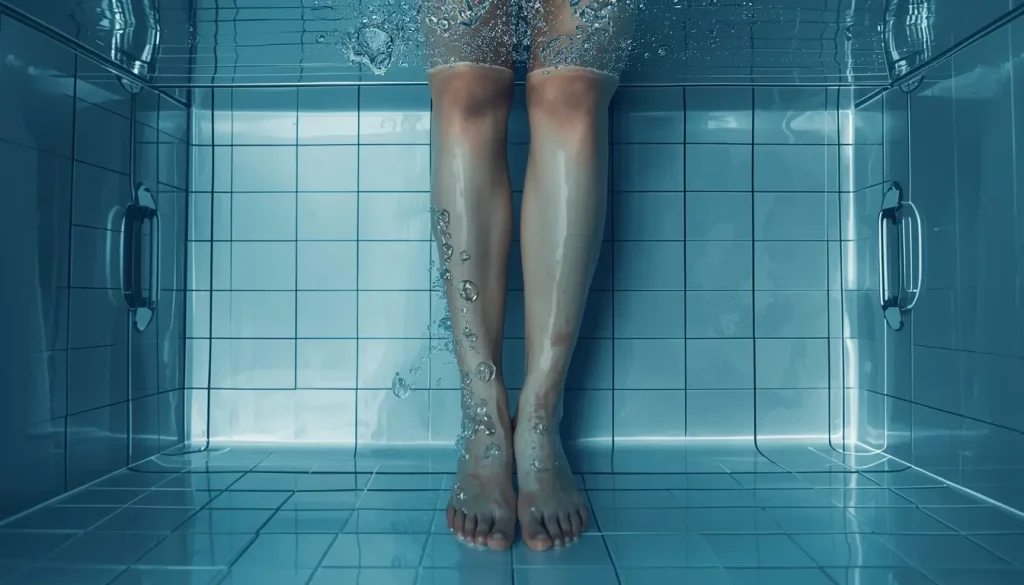
Beyond the temperature, the hydrostatic pressure of being submerged in water provides a unique benefit of cold exposure for muscle recovery. This pressure assists the lymphatic system in moving fluid away from the limbs and back toward the heart, reducing edema and muscle swelling.
When we talk about cold exposure for muscle recovery, we often overlook the “water” part of “cold water immersion.” In a tub, the weight of the water exerts a constant, multidirectional pressure on your body. This is known as hydrostatic pressure. Unlike air-based cryotherapy chambers, water provides a physical squeeze that mimics the effect of high-end compression boots. This pressure is deeper and more consistent than any fabric could provide. It specifically targets the interstitial spaces the gaps between your cells where fluid tends to pool after high-intensity exercise.
The lymphatic system, unlike the circulatory system, does not have a heart to pump its fluid. It relies on muscle contraction and external pressure to move lymph back toward the central ducts. By immersing yourself in a deep tub, the water pressure forces this fluid upward and inward. This is essential for reducing “edema” the swelling that makes muscles feel tight and immobile. When you combine this mechanical pressure with the cold-induced vasoconstriction, you create a powerful “dual-pump” system. The cold restricts the inward flow of new fluid, while the pressure forces the existing “sludge” out. This is why many athletes find that a 10-minute soak in a cold tub is significantly more effective than a 3-minute session in a dry cryo-chamber; the physics of the water are doing half the work.
4.The Hypertrophy Conflict: When to Avoid the Chill:
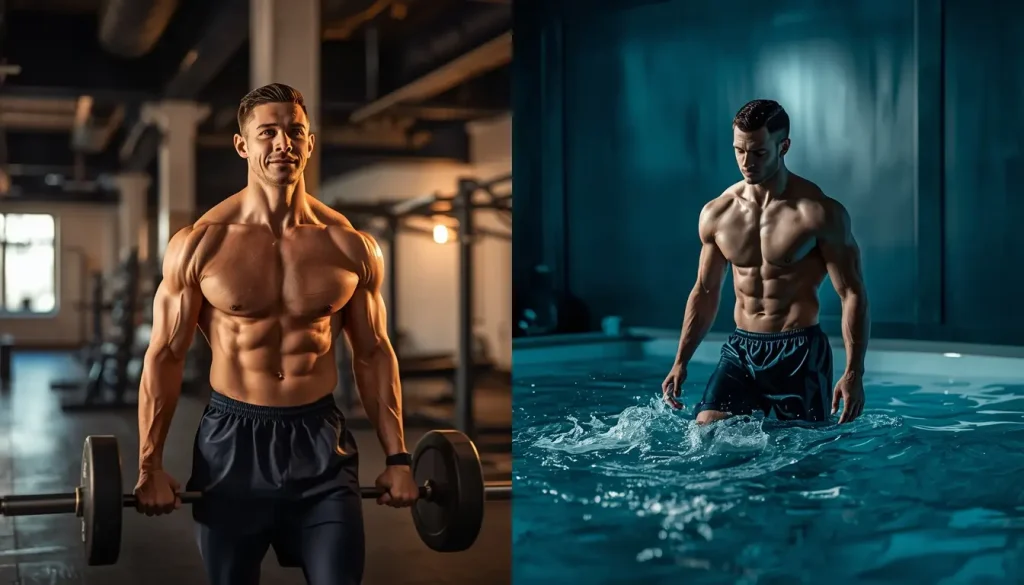
While cold exposure for muscle recovery is excellent for endurance and soreness, it can be counterproductive for those seeking maximum muscle growth. Applying cold immediately after resistance training can blunt the “mTOR” signaling pathway, which is responsible for protein synthesis and muscle hypertrophy.
This is perhaps the most critical section for any serious athlete to understand. Inflammation is often viewed as a villain, but in the context of muscle growth, it is the hero. When you lift heavy weights, the resulting inflammation is the biological “signal” that triggers satellite cell activation and the mTOR (mammalian target of rapamycin) pathway. This pathway is the master switch for building new muscle protein. Studies published by the NIH have shown that immediate cold water immersion after resistance training can significantly reduce these muscle-building signals for up to 48 hours.
If your primary goal is “hypertrophy” (increasing muscle size), jumping into an ice bath 10 minutes after your final set of squats is essentially telling your body to “stop building.” The cold shuts down the inflammatory signaling before it can finish its job. However, this doesn’t mean you should never use cold exposure. The key is timing. To reap the benefits of cold exposure for muscle recovery without sacrificing size, you should wait at least 6 to 8 hours after a strength session, or better yet, save the cold for your dedicated active recovery days. This allows the initial “growth window” to close before you use the cold to manage the lingering soreness and systemic fatigue.
5. Neurological Reset and Vagus Nerve Stimulation:
Cold exposure for muscle recovery also provides a significant psychological edge by stimulating the Vagus nerve and increasing the production of norepinephrine. This results in improved mood, higher mental clarity, and a faster return to a “rest and digest” state after the stress of a workout.
The impact of cold exposure isn’t limited to the muscles; it reaches deep into the brain. The “cold shock response” triggers an immediate release of norepinephrine, a neurotransmitter and hormone that plays a massive role in focus, mood, and inflammation control. Unlike the “spike and crash” of caffeine, the norepinephrine increase from cold exposure is sustained and steady, often lasting for several hours after the session. This chemical shift helps combat the “brain fog” that often accompanies systemic physical fatigue, allowing you to remain productive even after a grueling training session.
More importantly, the cold acts as a trainer for your Autonomic Nervous System (ANS). When you hit the cold water, your body enters a high-state sympathetic (fight or flight) “stress” mode. By using deliberate, deep breathing to stay calm in the water, you are effectively “forcing” your body to move into a parasympathetic (rest and digest) state while under stress. This stimulates the Vagus nerve, the main highway of the parasympathetic system. A high-functioning Vagus nerve is linked to better Heart Rate Variability (HRV), which is a gold-standard metric for how well an athlete is recovering. By practicing this neurological reset, you teach your body to flip the switch from “stress” to “repair” much more efficiently, ensuring that the time you spend sleeping and eating is actually used for recovery rather than just managing stress.
6. Contrast Water Therapy and the Vascular Pump:
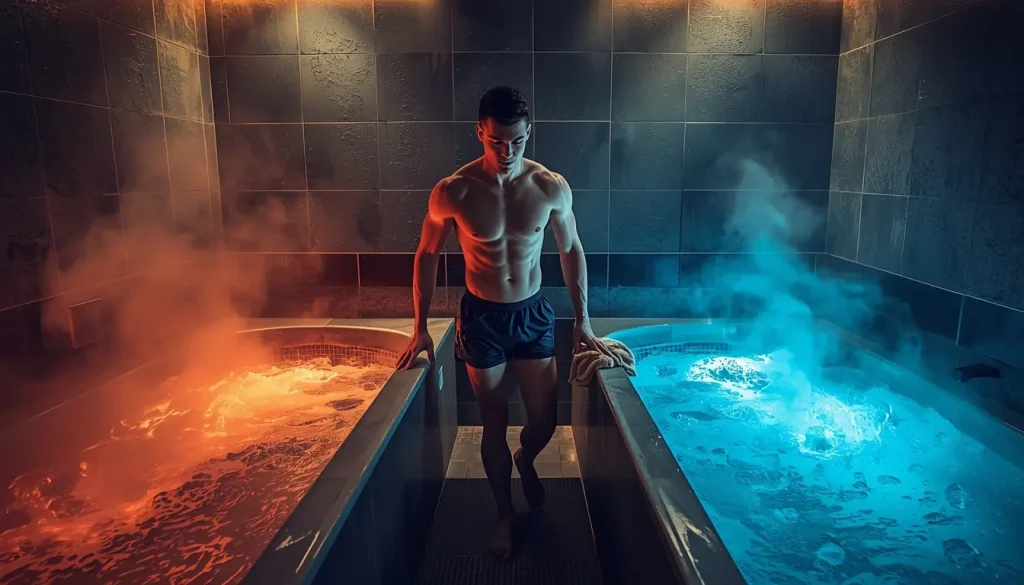
Contrast Water Therapy (CWT) involves alternating between cold and warm water to create a “vascular pump.” This specific form of cold exposure for muscle recovery is often preferred by athletes who want the benefits of cold without the intense, prolonged chill or the risk of blunting hypertrophy.
If total immersion in an ice bath feels too extreme or counter-productive for your specific goals, Contrast Water Therapy is the science-backed middle ground. The protocol involves moving between cold water (approx. 10-15°C) and warm water (approx. 38-40°C). Biologically, this creates a “pumping” action within the circulatory system. The cold water causes vasoconstriction (narrowing the vessels), and the warm water causes vasodilation (widening the vessels). When done in repeated cycles, you are essentially “milking” the muscle tissue.
This method is particularly effective for removing metabolic byproducts like lactic acid and protons that accumulate during high-intensity interval training (HIIT). Because the body is only exposed to the cold for short bursts (usually 1 minute of cold to 2 or 3 minutes of warm), the “blunting” effect on muscle growth signaling is significantly lower than a long, continuous soak. This makes CWT an ideal tool for athletes in mid-season who need to maintain their strength and size but require a faster “turnaround” between games or matches. It provides the circulatory benefits of cold exposure for muscle recovery while keeping the tissue temperature high enough to maintain enzyme activity and nutrient transport.
Applied Biology in Daily Life:
The Multi-Sport Athlete Jordan, a competitive CrossFit athlete, used to struggle with inflammation in his joints that prevented him from training more than three days in a row. By introducing a 12-minute cold exposure for muscle recovery session every Friday, he found his systemic inflammation markers decreased. He didn’t just feel better; his morning HRV (Heart Rate Variability) scores stabilized, indicating his nervous system was no longer stuck in a state of perpetual stress.
The Hypertrophy Adjustment A bodybuilding enthusiast named Leo realized his arm measurements had plateaued. After reviewing his recovery protocol, he realized he was taking a 15-minute ice bath immediately after every gym session. Upon shifting his cold exposure to his “off days” and replacing post-workout ice with simple light movement, his growth resumed. This taught him that the “chill” is a tool, not a mandatory post-workout ritual.
Tools & Resources for Science-Backed Recovery
- Waterproof Digital Thermometer: Precision is key. You need to know if you are at 10°C (therapeutic) or 5°C (potentially dangerous shock).
- High-Quality Timer: To track the “11-minute per week” metric accurately.
- Focused Breathwork Apps: Using “box breathing” (4 seconds in, 4 hold, 4 out, 4 hold) to manage the initial cold shock.
- Pool/Tub Insulation: For those doing DIY setups, maintaining temperature consistency is vital for the biological response.
Frequently Asked Questions (FAQ):
Q: Is a cold shower as effective as a cold plunge?
A: For mental benefits, yes. For muscle recovery, no. Showers lack the hydrostatic pressure and the “full-body thermal wrap” that forces deep vasoconstriction in the muscle tissue.
Q: What is the minimum effective dose?
A: Research suggests that just 11 minutes of total cold exposure per week (split into 2-3 sessions) is enough to trigger the desired metabolic and recovery shifts..
Q: Can I use cold exposure if I have high blood pressure?
A: The “cold shock response” causes a sudden spike in heart rate and blood pressure. If you have cardiovascular concerns, you must consult a physician before attempting full-body immersion.
Q: Should the water be freezing (0°C)?
A: No. The therapeutic range for cold exposure for muscle recovery is between 10°C and 15°C. Lower temperatures increase the risk of tissue damage without providing additional recovery benefits.
Q: Does it help with fat loss too?
A: While primary used for recovery, cold exposure can stimulate “brown adipose tissue” (BAT), which burns calories to generate heat, potentially aiding metabolic health.
Final Verdict:
The use of cold exposure for muscle recovery is a sophisticated biological intervention that requires more than just “toughing it out” in ice. When used with an understanding of timing, pressure, and neurological response, it becomes a bridge between intense effort and rapid renewal. By respecting the hypertrophy window and utilizing the vascular pump of contrast therapy, you can ensure that your body doesn’t just survive the training it thrives because of it.
If this clarified how cold exposure actually works, explore our other science-based recovery guides to build a complete system.