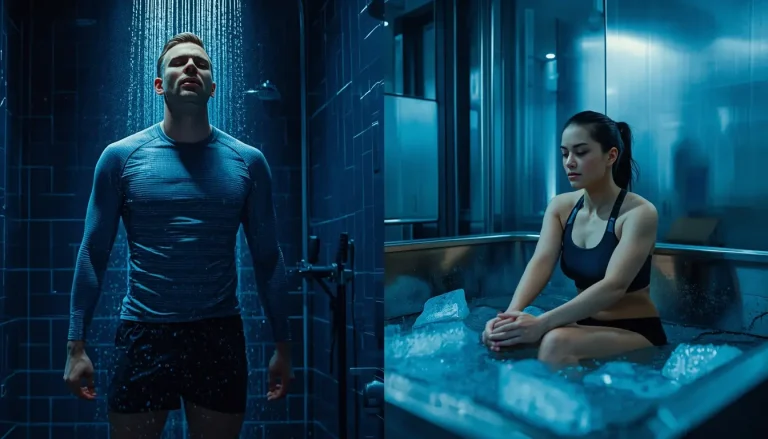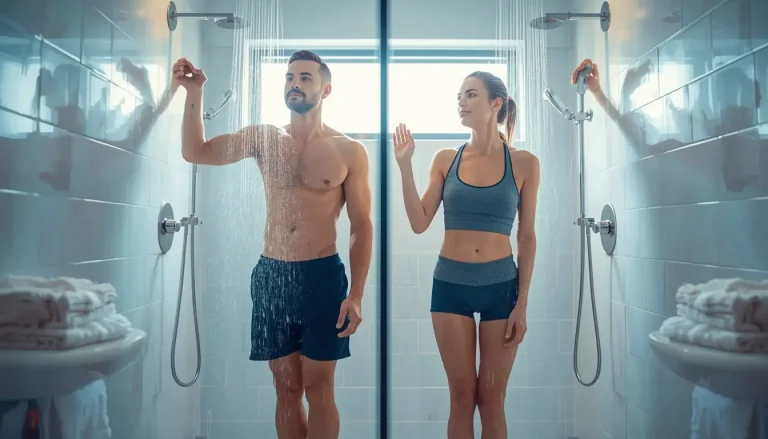


Cold Exposure Therapy: Train Your Nervous System to Thrive Under Stress
Key Takeaways:
- The 11-Minute Rule: Research suggests just 11 total minutes of cold exposure per week (spread across 3 sessions) is enough to trigger metabolic benefits.
- 250% Dopamine Spike: Unlike the “crash” from caffeine, cold exposure creates a steady rise in dopamine that lasts for several hours.
- Hormetic Stress: The cold acts as a “healthy stressor,” teaching your cells to become more resilient to oxidative damage.
- Low Barrier to Entry: You don’t need a luxury tank; a 30-second cold shower at the end of your routine is a biologically valid starting point.
Imagine standing at the edge of a cold lake or staring at your shower handle, knowing that the next sixty seconds will be deeply uncomfortable. For most of us, our natural instinct is to seek warmth and avoid physical distress. However, a growing body of biological research suggests that by stepping into the chill, we are actually unlocking ancient survival mechanisms that have remained dormant in our climate-controlled modern lives.
Cold exposure therapy is no longer just for elite athletes; it is a scientifically validated tool for enhancing metabolic health, sharpening mental focus, and building a more resilient nervous system. According to a study published in the European Journal of Applied Physiology, a single session of cold water immersion can increase blood dopamine levels by 250%. By the end of this guide, you will understand the precise biological “why” behind the chill and how to safely integrate this practice into your own life to reset your stress threshold.
1.The Mechanisms of Cold Exposure Therapy:

Cold exposure therapy is a health practice involving the deliberate application of cold temperatures to the body to trigger “hormesis” a beneficial stress response. It works by activating the sympathetic nervous system, releasing neurochemicals like norepinephrine, and stimulating brown fat to generate internal heat.
When you submerge yourself in cold water, your body immediately enters a state of “cold shock.” This isn’t just a feeling; it is a systemic physiological event. Your surface blood vessels undergo vasoconstriction, pulling blood away from your skin and toward your vital organs to protect your core temperature. This process acts like a workout for your vascular system, improving overall circulatory efficiency.
Biologically, the most profound shift happens in the brain. The cold triggers the locus coeruleus, a small area in the brainstem, to flood the system with norepinephrine. This hormone acts as both a chemical messenger and a mood stabilizer, which is why most people feel a “zen-like” clarity immediately after exiting the cold. Unlike the jittery spike of an energy drink, this is a controlled, biological alert state that helps regulate the autonomic nervous system over time.
2.How Cold Exposure Therapy Activates Brown Fat:
The primary metabolic benefit of cold exposure therapy is the activation of Brown Adipose Tissue (BAT), often called “brown fat.” Unlike white fat, which stores energy, brown fat contains a high density of mitochondria and burns calories to produce heat through non-shivering thermogenesis.
For decades, scientists believed only infants possessed significant amounts of brown fat. We now know that adults retain these “powerhouse” fat deposits, primarily around the neck and upper back. When you are exposed to cold, your body realizes it cannot maintain a 98.6°F (37°C) core temperature through insulation alone. It signals the brown fat to start burning glucose and fatty acids to create heat.
According to research cited by the National Institutes of Health, regular cold exposure may “brown” your white fat, essentially teaching your body to become more metabolically active even when you aren’t in the water. This shift improves insulin sensitivity and helps stabilize blood sugar, making it a powerful ally for long-term metabolic health and mitochondrial function.
Educational Comparison: Cold Exposure Methods
| Method | Temperature | Duration | Primary Benefit |
| Cold Shower | 55°F – 60°F | 2–5 Mins | Accessibility & Daily Focus |
| Ice Bath | 34°F – 50°F | 1–3 Mins | Metabolic & Dopamine Boost |
| Cryotherapy | Below -110°F | 2–3 Mins | Skin Health & Severe Inflammation |
| Face Dunking | 40°F – 50°F | 30 Seconds | Vagus Nerve Activation |
3.The Neurological Response to Cold Exposure Therapy:
Cold exposure therapy impacts the brain by significantly elevating levels of dopamine and norepinephrine without the subsequent “crash” associated with pharmacological stimulants. This creates a prolonged state of heightened focus, improved mood, and enhanced mental clarity that can last for hours after the session.
When you encounter the “cold shock,” your brain undergoes a rapid neurochemical shift. The release of norepinephrine is not just about the “fight or flight” response; it is a critical component in reducing inflammation within the brain. High levels of this chemical are linked to improved attention and cognitive function.
Furthermore, the sustained rise in dopamine often cited at 250% above baseline is unique because it doesn’t drop below the original baseline after the stimulus is removed. This makes deliberate cold exposure a potent tool for those looking to manage their mood naturally. It effectively trains the brain to remain calm and focused while the body is under a state of physical stress, a skill that translates directly to everyday life challenges.
4.Cold Exposure Therapy and Immune System Resilience:

Practicing cold exposure therapy has been shown to increase the production of white blood cells and “cold shock proteins” (such as RBM3). These proteins play a vital role in cellular repair and may protect against the loss of synapses in the brain, contributing to overall longevity and immune defense.
The immune-boosting theory of cold exposure stems from the idea of “hormetic adaptation.” By exposing the body to a controlled amount of cold stress, the immune system is essentially “primed.” A famous study involving the Wim Hof Method demonstrated that individuals trained in cold exposure and specific breathing techniques could voluntarily influence their innate immune response when exposed to an endotoxin.
Beyond the immediate immune response, cold immersion helps in the production of glutathione, the body’s master antioxidant. This helps the body fight oxidative stress and reduces the overall inflammatory load. By regularly subjecting the body to the chill, you are encouraging a more robust, faster-reacting immune system that is better equipped to handle environmental pathogens.
5. Safely Implementing Cold Exposure Therapy at Home:
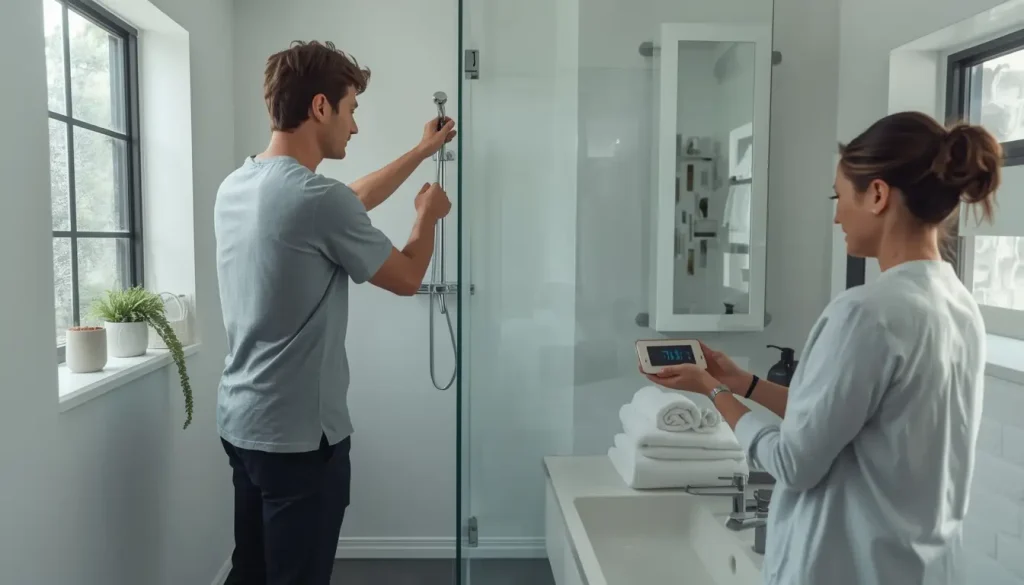
The safest way to start cold exposure therapy is through gradual titration, beginning with 30-second cold showers and slowly increasing duration. For maximum biological benefit, aim for a temperature that is “uncomfortably cold but safe to stay in” for a total of 11 minutes per week.
Safety is the most critical component of this practice. The Mayo Clinic emphasizes that the sudden shock of cold water causes an immediate increase in heart rate and blood pressure. Therefore, individuals with pre-existing heart conditions should always seek medical advice before attempting full immersion.
To build a sustainable habit, follow these steps:
- Start with the Face: Splashing ice-cold water on your face stimulates the vagus nerve and triggers the “mammalian dive reflex” slowing your heart rate.
- The Cold Finish: Take your regular warm shower, but turn the handle to full cold for the last 30 seconds.
- Focus on Breath: Do not hold your breath. Use long, slow exhalations to tell your nervous system that you are safe.
- Avoid Post-Workout Timing: If your goal is muscle growth, wait at least 4 hours after lifting weights to use the cold, as it can dampen the signals needed for muscle repair.
Tools & Resources
To assist you in resetting your biology without buying expensive gadgets, utilize these tools:
- Digital Stopwatch: Use any basic phone timer to track your 11-minute weekly goal.
- Pool Thermometer: A simple, low-cost analog thermometer to verify your water temperature.
- The “Soberg” Principle: A research-based protocol suggesting 11 minutes of cold and 57 minutes of sauna per week for optimal health.
- Breathing Techniques: Utilize simple box breathing (4s inhale, 4s hold, 4s exhale, 4s hold) to manage the initial cold shock.
What Changes When You Apply This:
Sarah’s Morning Reset
Sarah, a teacher in her late 30s, struggled with morning anxiety. She began ending her shower with 60 seconds of cold water. Within three weeks, she found that the “physical panic” of the cold taught her how to breathe through the “mental panic” of a busy classroom. It wasn’t about the temperature; it was about the control she gained over her own breath.
David’s Recovery Shift
David used to use ice packs for his chronic knee pain. After switching to full-body cold immersion twice a week, he noticed a systemic reduction in stiffness. By exposing his whole body to the cold, he activated a systemic anti-inflammatory response that localized icing simply couldn’t match.
Frequently Asked Questions (FAQ):
Q: Is it better to do cold exposure in the morning or night?
A: Morning is generally better. Because cold exposure increases core body temperature (as the body works to warm itself up) and releases adrenaline, doing it too close to bedtime may interfere with sleep.
Q: Do I need to buy an expensive “plunge” tub?
A: A standard bathtub with cold tap water and a few bags of ice is just as effective biologically as a high-end refrigerated unit.
Q: How long should a single session last?
A: For most people, 1 to 3 minutes is the “effective dose.” Staying in much longer than 5 minutes does not necessarily increase the benefits and may lead to hypothermia.
Q: Can I skip the shivering?
A: Shivering is actually a good sign! Shivering releases “succinate,” a molecule that further activates brown fat thermogenesis. If you shiver, you are maximizing the metabolic benefit.
Q: Why do I feel so happy after a cold plunge?
A: This is due to the massive release of dopamine and endorphins. It is the body’s natural reward for surviving a perceived “threat” (the cold).
Final Verdict:
Cold exposure therapy is a potent, biology-based tool that leverages your body’s natural survival mechanisms to improve health. By subjecting yourself to a controlled, cold stressor, you strengthen your heart, clear your mind, and optimize your metabolism. It is a practice of discipline that yields dividends in every other area of your life.