
A Science-Backed Sleep Hygiene Checklist for Deep, Restorative Sleep
Key Takeaways:
- Consistency Trumps Intensity: Waking up at the same time every day is biologically more potent than going to bed early occasionally.
- The 10-3-2-1 Rule: A structured countdown for caffeine, food, work, and screens that aligns with your internal clock.
- Temperature Matters: Your core body temperature must drop by roughly 2-3°F to initiate sleep onset effectively.
- Light is a Drug: Viewing morning sunlight is the single most effective way to anchor your sleep cycle for the following night.
A Science-Backed Guide to Your Sleep Hygiene Checklist:
We have all been there: staring at the ceiling at 2:00 AM, calculating how many hours of rest we can get if we fall asleep right now. It is a frustrating, exhausting cycle that affects millions of people globally. In our modern world, filled with artificial blue light, high stress, and endless notifications, our natural biological rhythms often get completely out of sync.
Sleep hygiene is not about scrubbing your sheets (though that helps); it is about scrubbing your habits. It is the behavioral and environmental practice of setting your brain up for success. Why does this matter? Because sleep is the foundation of mental clarity, emotional stability, and physical recovery. According to the Centers for Disease Control and Prevention (CDC), insufficient sleep is a public health epidemic linked to chronic diseases like diabetes and cardiovascular issues.
By the end of this guide, you will understand the specific biological triggers that control your sleep-wake cycle. You will walk away with a comprehensive sleep hygiene checklist designed to realign your body’s internal clock, reduce sleep latency, and help you wake up feeling genuinely refreshed with deep, restorative sleep.
1.What Is a Sleep Hygiene Checklist?
A sleep hygiene checklist is a structured set of daily behavioral and environmental habits designed to align with your body’s circadian rhythm for consistent, high-quality rest. It functions by minimizing sleep-disrupting stimuli (like blue light and cortisol) while amplifying sleep-promoting signals (like melatonin and adenosine) to ensure faster sleep onset and reduced nighttime awakenings.
Understanding the Biology of Hygiene
When we talk about a sleep hygiene checklist, we are really talking about manipulating two primary systems in the body: the circadian rhythm (your internal clock) and the homeostatic sleep drive (pressure to sleep).
Your circadian rhythm is largely controlled by the suprachiasmatic nucleus (SCN) in your brain’s hypothalamus. This tiny region receives direct input from your eyes regarding light exposure. When you view light, the SCN tells your pineal gland to pause melatonin production. When it gets dark, the brake is released, and melatonin flows.
Simultaneously, your body builds up a chemical called adenosine throughout the day. Adenosine is a byproduct of energy consumption; the longer you are awake, the more adenosine accumulates, creating “sleep pressure.”
A solid sleep hygiene checklist works because it respects these two systems. It ensures you build enough adenosine by staying active and prevents you from confusing your SCN with bright lights at the wrong time. It is not magic; it is biology. By systematizing these behaviors, you remove the guesswork and allow your body to do what it naturally wants to do: sleep.
2.Optimizing Your Daytime Habits

Daytime behaviors are the foundation of any effective sleep hygiene checklist because the quality of your sleep is determined by the actions you take from the moment you wake up.
The Power of Morning Light
The most critical item on your sleep hygiene checklist actually happens immediately upon waking. Viewing bright light, ideally sunlight, within the first 30 to 60 minutes of waking triggers a cortisol pulse. While we often think of cortisol as a stress hormone, a morning spike is healthy and necessary. It signals alertness to your brain and, crucially, starts a timer for melatonin release roughly 12 to 14 hours later.
Without this morning anchor, your circadian rhythm can drift, making it harder to feel tired at a reasonable hour.
Caffeine and Adenosine
Caffeine works by blocking adenosine receptors in the brain. It does not eliminate the need for sleep; it simply masks the signal of sleepiness. If you consume caffeine too late in the day, you are essentially putting a piece of tape over your “fuel gauge,” preventing your brain from realizing how tired it actually is.
For optimal hygiene, implement a caffeine cutoff. A general rule of thumb is to stop consumption 08 to 10 hours before your intended bedtime. This allows your liver enough time to metabolize the caffeine, ensuring your adenosine receptors are free to receive sleep signals when you need them most.
Physical Movement
Exercise is a potent “Zeitgeber” (time-giver) for the body. Regular physical activity deepens sleep by increasing adenosine production and raising core body temperature temporarily. As your body cools down post-exercise, it mimics the natural temperature drop that occurs before sleep. However, timing is key intense exercise too close to bed can keep your core temperature elevated, making it harder to fall asleep.
Comparison: Good vs Poor Sleep Hygiene
This table highlights the difference between habits that support your biology and those that fight against it.
| Feature | Good Sleep Hygiene | Poor Sleep Hygiene |
| Light Exposure | Morning sunlight; dim lights in evening. | Dark mornings; bright screens at night. |
| Temperature | Cool room (60–67°F); breathable bedding. | Warm/stuffy room; heavy synthetic blankets. |
| Caffeine | Cut off by early afternoon (e.g., 2 PM). | Consumption in late afternoon/evening. |
| Routine | Consistent wake/sleep times daily. | Irregular schedule; sleeping in on weekends. |
| Bed Usage | Sleep and intimacy only. | Working, eating, or watching TV in bed. |
| Pre-sleep | Reading, stretching, relaxing. | Doom-scrolling, work emails, intense gaming. |
3.The Evening Wind-Down Protocol
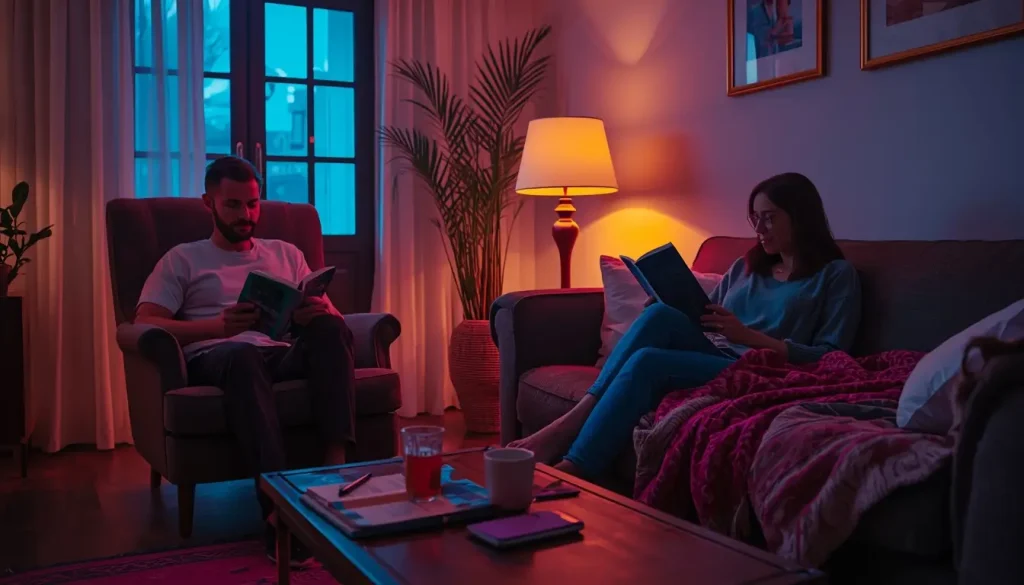
Your evening routine acts as a neurological bridge, transitioning your brain from a state of high-beta wave alertness to alpha and theta wave relaxation essential for sleep onset.
Managing Blue Light Exposure
In the modern world, light is the primary disruptor of sleep. Screens from phones, tablets, and computers emit a high concentration of blue light. To the photoreceptors in your eyes, this light looks remarkably like the sun. When you scroll through social media at 10:00 PM, you are inadvertently telling your brain it is noon.
A robust sleep hygiene checklist includes a “digital sunset.” This means turning off or dimming screens 1 to 2 hours before bed. If you must use screens, consider using “night shift” modes or wearing blue-light-blocking glasses, though removing the stimulus entirely is far more effective.
The 3-2-1 Method
To make this actionable, many experts recommend the “3-2-1 Rule” as part of a checklist:
- 3 hours before bed: Stop eating large meals. Digestion raises body temperature and requires energy, which conflicts with the body’s need to power down.
- 2 hours before bed: Stop working. This allows your cortisol levels (stress hormones) to drop, preventing the “tired but wired” feeling.
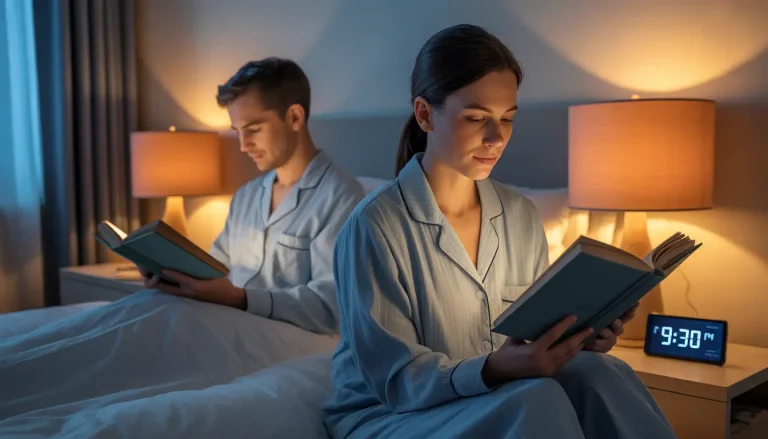
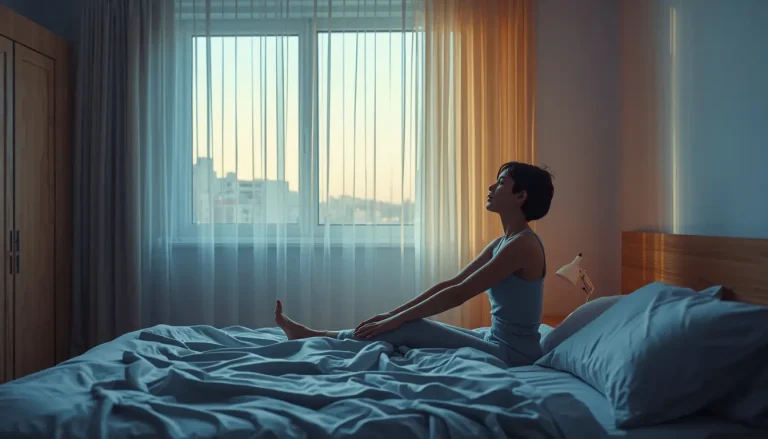
- 1 hour before bed: Stop screen time. Switch to analog activities like reading, journaling, or light stretching.
Mental Deceleration
Racing thoughts are a common barrier to sleep. This is often due to unprocessed cognitive load from the day. Incorporating a “brain dump” into your evening routine can be transformative. Simply take five minutes to write down everything you need to do tomorrow. By externalizing these tasks, you signal to your brain that it is safe to let go of them for the night, reducing anxiety-induced insomnia.
4.Engineering the Perfect Sleep Environment
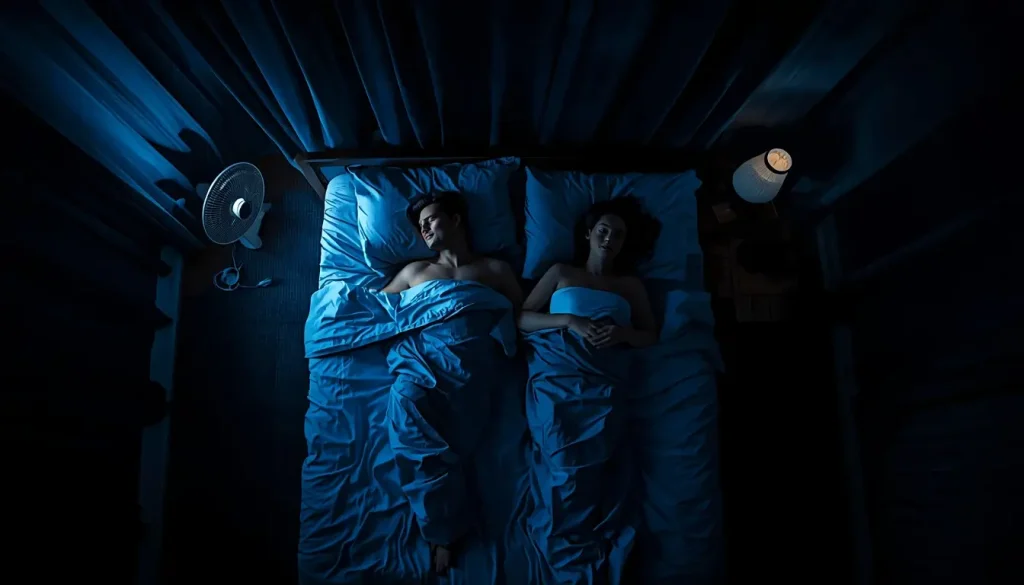
Your bedroom should be a sanctuary strictly reserved for rest and recovery. If your environment fights your biology, your sleep hygiene checklist will fail regardless of your habits.
Thermal Regulation
Your body needs to drop its core temperature by about 2°F to initiate sleep and stay asleep. If your room is too warm, your body struggles to shed this heat, leading to fragmented sleep. The National Institutes of Health (NIH) suggests that a cooler room is generally better for sleep.
Aim for a bedroom temperature between 60°F and 67°F (15°C – 19°C). If you cannot control the thermostat, using breathable bedding (like cotton or bamboo) or taking a warm shower before bed can help. The warm shower causes blood vessels to dilate (vasodilation), which helps radiate heat away from your core once you step into the cooler air.
Total Darkness
Even small amounts of light can penetrate your eyelids and disrupt sleep cycles. Streetlights, standby lights on televisions, or light from the hallway can all fragment your rest.
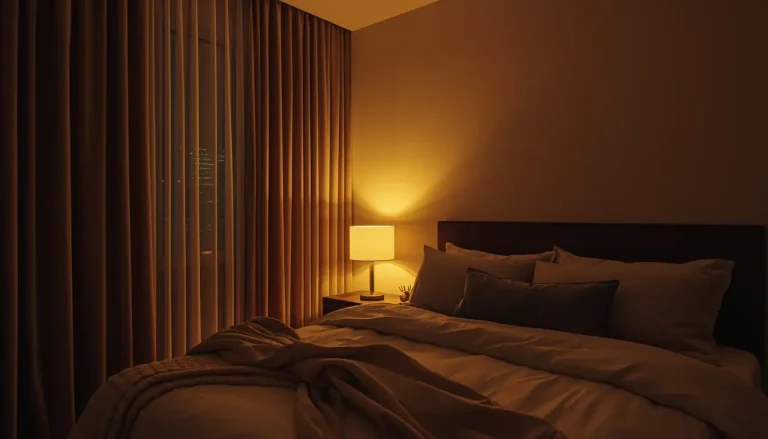
To optimize this, aim for a “cave-like” environment. Blackout curtains are a great investment. If that is not possible, a high-quality sleep mask is a simple, effective alternative.
Noise Control
Sudden noises can jerk you out of deep sleep, activating your “fight or flight” system. However, total silence can also be deafening for some. White noise or pink noise (which is deeper and more balanced) can mask sudden environmental sounds. Using a fan or a dedicated sound machine creates a consistent audio backdrop that prevents your brain from latching onto stray noises.
5. Consistency: The Biological Anchor
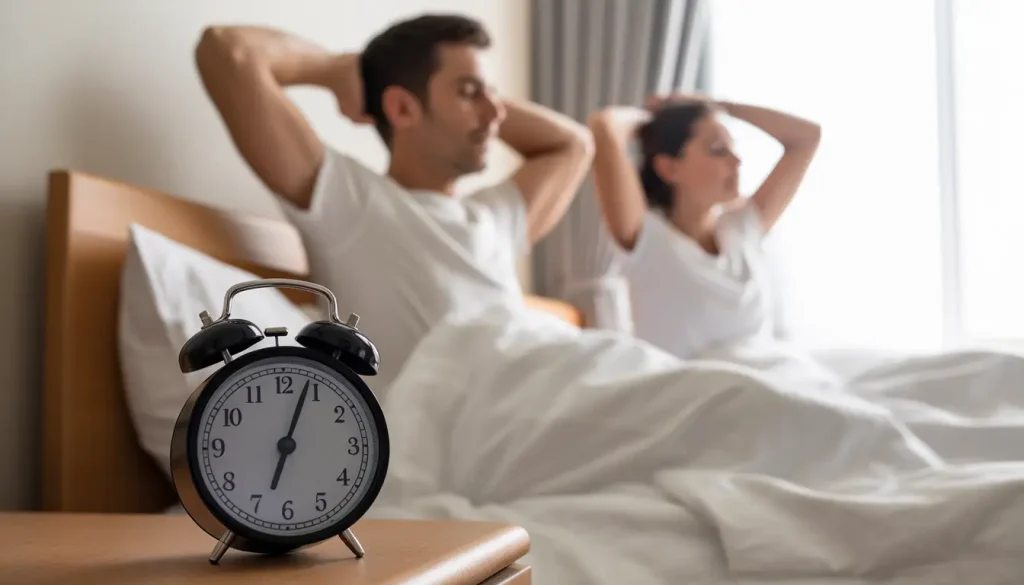
The single most important item on your sleep hygiene checklist is consistency. Your circadian rhythm thrives on predictability and suffers in chaos.
The Myth of “Catching Up”
Many people treat sleep like a bank account, thinking they can withdraw hours during the week and deposit them back on the weekend. Unfortunately, biology does not work that way. Sleeping in late on weekends causes “social jetlag.” By shifting your wake time by 3 or 4 hours, you essentially fly across time zones every Friday and fly back every Monday. This confuses your hormones and leaves you feeling groggy.
Setting a Fixed Wake-Up Time
To build a rock-solid sleep hygiene checklist, pick a wake-up time you can stick to seven days a week yes, even on weekends. This regular anchor point stabilizes your cortisol release and ensures your adenosine pressure builds up at the same rate every day. Over time, you will find you naturally get sleepy at the same time every night, making the struggle to fall asleep a thing of the past.
According to the Sleep Foundation, maintaining a regular sleep-wake schedule is one of the most effective ways to set your body’s internal clock.
Tools & Resources for Better Sleep
While products cannot replace habits, certain tools can support your sleep hygiene checklist.
- Blue Light Blocking Glasses: Helpful if you cannot avoid screens entirely in the evening. Look for amber or red-tinted lenses for maximum effectiveness.
- Analog Alarm Clock: Moving your phone out of the bedroom is a game-changer. An old-school alarm clock removes the temptation to scroll immediately upon waking or right before bed.
- Sleep Mask: An inexpensive way to ensure total darkness, especially useful for travel or city living.
- Journal: A simple notebook for “brain dumping” tasks and worries before you try to sleep.
- White Noise Machine: Helps create a consistent auditory environment, masking traffic or household sounds.
Human Stories: Resetting the Clock
Sarah’s Struggle with “Revenge Bedtime Procrastination”
Sarah, a 34-year-old graphic designer, used to dread bedtime. After a chaotic day of deadlines and meetings, she felt that late at night was the only time she had for herself. She would stay up until 2:00 AM watching shows, only to wake up exhausted at 7:00 AM. This “revenge bedtime procrastination” left her chronically fatigued.
She decided to implement a strict sleep hygiene checklist. The hardest part was the “digital sunset.” She replaced her late-night Netflix with reading fiction. “The first week was brutal,” she admits. “I was bored and fidgety.” But by week three, something shifted. She started feeling naturally tired at 10:30 PM. Her anxiety decreased, and her creative focus during the day skyrocketed. “I realized I wasn’t just losing sleep; I was losing my days,” Sarah says.
Mark’s Temperature Epiphany
Mark, a father of two, always slept hot. He would wake up sweating multiple times a night. He assumed he was just a “bad sleeper.” After reading about thermoregulation, he realized his memory foam mattress and thick duvet were trapping heat.
He adjusted his checklist to focus on temperature: he lowered the thermostat to 65°F and switched to percale cotton sheets. The result was immediate. He stopped waking up in the middle of the night. “It wasn’t a medical problem,” Mark explains. “It was a physics problem. My body just needed to cool down.”
Frequently Asked Questions (FAQ):
Q: How long does it take for a sleep hygiene checklist to work?
A: It typically takes about two to three weeks of consistent practice to see significant changes. Your circadian rhythm needs time to adjust to new cues. Be patient and stick to the routine even if you do not see immediate results on night one.
Q: Can I ever drink alcohol if I want good sleep hygiene?
A: Alcohol is a sedative, not a sleep aid. It might help you lose consciousness faster (reducing sleep latency), but it severely fragments your sleep later in the night and blocks REM sleep. If you drink, try to finish your drink 3-4 hours before bed to allow your body to metabolize it.
Q: What if I lay in bed and still cannot sleep?
A: If you have been in bed for more than 20 minutes and cannot sleep, get up. This is a standard cognitive behavioral therapy for insomnia (CBT-I) technique. Go to another room and do a quiet, low-light activity like reading until you feel sleepy again. This prevents your brain from associating the bed with frustration and wakefulness.
Q: Is napping bad for sleep hygiene?
A: Napping can be beneficial if done correctly. Short “power naps” (20 minutes) in the early afternoon generally do not disrupt nighttime sleep. However, long naps or naps late in the day can reduce your adenosine pressure, making it harder to fall asleep at night.
Q: Does diet affect my sleep hygiene checklist?
A: Yes. heavy, spicy, or acidic meals close to bedtime can cause indigestion and heartburn, which are major sleep disruptors. Also, diets high in sugar can lead to blood sugar crashes during the night, causing you to wake up.
Q: Do I really need to wake up at the same time on weekends?
A: Ideally, yes. Keeping your wake time within a 30-60 minute window of your weekday schedule helps maintain your circadian rhythm. If you had a late night, it is better to wake up at your normal time and take a short nap later than to sleep in until noon.
Final Verdict:
Improving your sleep is not about buying the most expensive mattress or taking the strongest supplements. It is about respecting your biology. A sleep hygiene checklist is a commitment to prioritizing your recovery. By managing light, temperature, and daily habits, you provide your body with the safety and signals it needs to enter deep, restorative rest.
Start small. Pick three items from this guide perhaps the morning sunlight, the caffeine cutoff, and the cool room and stick to them for a week. The clarity and energy you will gain are well worth the effort.