
Mastering the Core Sleep Habit: How to Optimize Your Rest & Wake Up Energized:
Key Takeaways:
- Understand the Metric: “Core Sleep” on Apple Watch isn’t just “filler” it’s vital Light Sleep (Stage 1 & 2) where memory consolidation happens.
- Consistency is King: The #1 way to boost core sleep is a rigid sleep-wake schedule.
- Environment Matters: Temperature, light, and sound control are non-negotiable for staying asleep.
You wake up, glance at your wrist, and see the dreaded data: Core Sleep: Low.
If you’re an Apple Watch user, you’ve probably stared at that bar graph wondering, “What even is Core Sleep, and why am I not getting enough of it?” Or maybe you don’t wear a tracker, but you feel the symptoms: waking up groggy, brain fog that won’t lift, and that heavy feeling behind your eyes even after eight hours in bed.
I used to obsess over my “Deep Sleep” numbers, ignoring everything else. It wasn’t until I dug into the science that I realized Core Sleep (often called Light Sleep or Stage 2) is actually the workhorse of our night. It makes up about 50-60% of our total rest. It’s where your brain processes memories, repairs neural connections, and prepares you for the deep, restorative stages.
Ignoring your Core Sleep is like building a house without a frame.
In this guide, I’m cutting through the noise. We aren’t just talking about “sleeping more.” We are building a Core Sleep Habit a system of seven actionable steps to stabilize your sleep architecture so you finally wake up feeling like a human being.
REQUIRED TOOLS & MATERIALS:
Before we fix your sleep, let’s make sure you have the toolkit. You don’t need all of these, but they are the specific items I reference in the habits below to get results.
- Sleep Tracker: Apple Watch (Series 6 or later) or Oura Ring (to measure the baseline).
- Blackout Solution: Heavy curtains or a high-quality contoured sleep mask.
- Sound Control: A dedicated White Noise Machine or a fan.
- Thermostat/Fan: To keep the room at 65-68°F.
- Amber Reading Light: Blue-light blocking book light.
- Magnesium Glycinate: (Optional/Consult Doctor) For nervous system relaxation.
- Analog Alarm Clock: To replace your phone.
THE 7 CORE SLEEP HABITS DISSCUSS IN BLOG:
Habit 1: The “Golden Window” Schedule:
The single most effective way to increase Core Sleep is to go to bed and wake up at the exact same time, every single day including weekends.
It sounds boring. I know. I used to be the person who “caught up” on sleep on Saturdays until noon. But here is the biological reality: Your body runs on a Circadian Rhythm, an internal clock that regulates hormone release. When you shift your sleep time by even two hours, you give yourself “social jetlag.”
If your body doesn’t know when the night ends, it won’t effectively transition through the sleep stages. Core Sleep (Light Sleep) is easily fragmented. If your internal clock is confused, you will wake up during these light stages, destroying your sleep continuity.
How I Fixed This: I set a “Golden Window.” My butt is in bed by 10:30 PM, and my feet hit the floor at 6:30 AM. No excuses. After about two weeks of this, my Apple Watch data showed a 20% increase in Core Sleep duration simply because my body stopped anticipating a late night.
Real-Life Check: If you must stay up late one night, do not sleep in. Wake up at your normal time to preserve the rhythm, and take a 20-minute nap later if needed.
Habit 2: The “Sunset” Lighting Protocol:
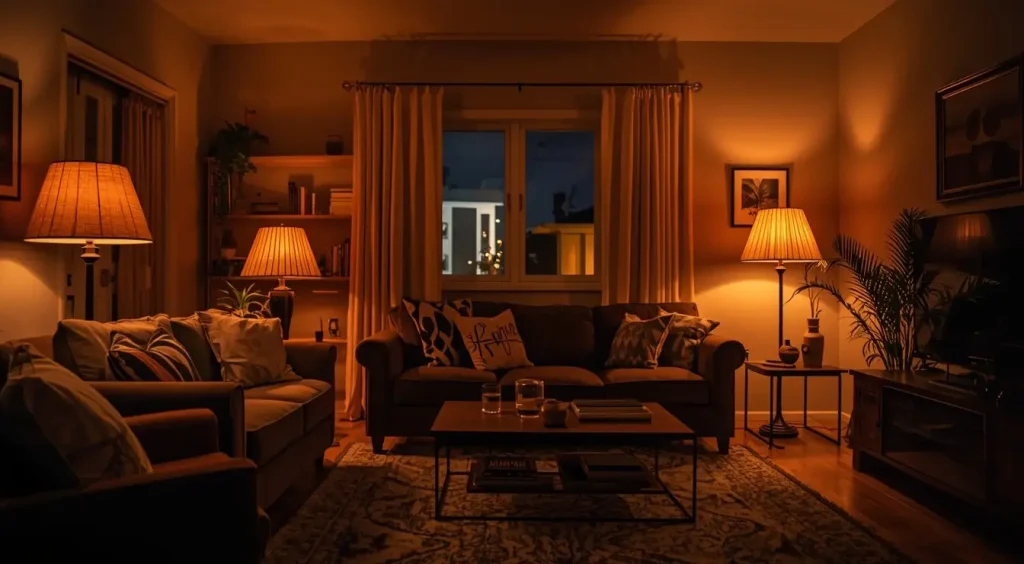
Bright overhead lights are the enemy of Core Sleep.
Your brain uses light as its primary signal for “wakefulness.” When you blast 6000K (bright white) LED lights in your kitchen at 9 PM, you are screaming at your brain that it is noon. This suppresses Melatonin, the hormone required to initiate the sleep cycle. Without sufficient melatonin, you might fall asleep, but you will struggle to stay in the steady Core Sleep stages.
I learned this from the Huberman Lab protocols: light viewing behavior is the strongest anchor for your sleep.
The Protocol:
Morning: Get 10 minutes of direct sunlight into your eyes within 30 minutes of waking. This sets the timer for the night.
Evening: After sunset, turn off all overhead lights. Switch to floor lamps or table lamps with warm, amber-colored bulbs (look for 2700K or lower).
When I switched to “low level” lighting after 8 PM, my “time to fall asleep” (latency) dropped from 45 minutes to 10 minutes.
Habit 3: Thermal Regulation (The Cool Down):
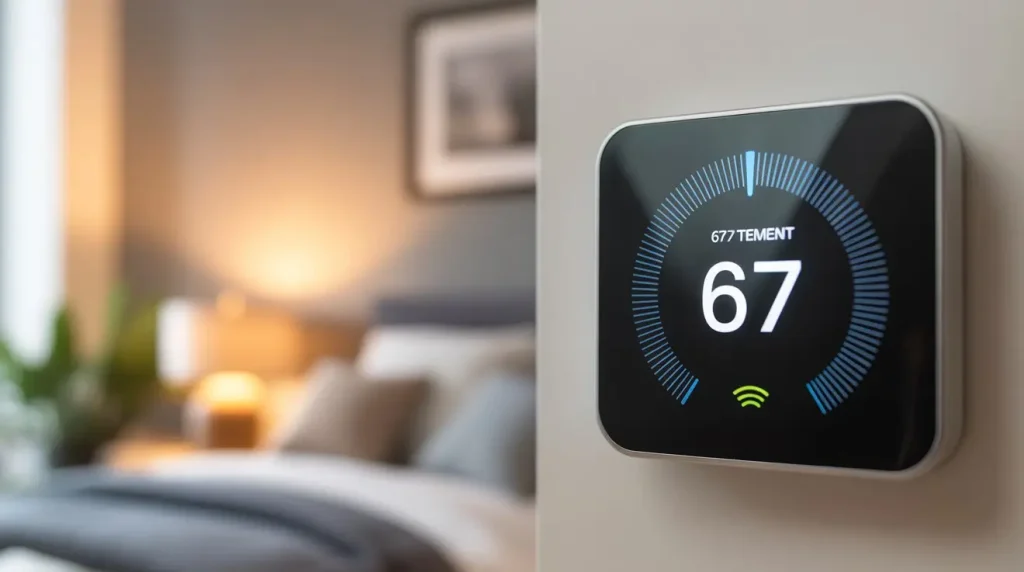
Your body needs to drop its core temperature by about 2-3 degrees Fahrenheit to initiate and maintain sleep.
If your room is too warm, your body struggles to dump heat, which leads to fragmented sleep. You know that feeling of tossing and turning, kicking the covers off? That is your body fighting to regulate its temperature. This physical stress pulls you out of Core Sleep and fully wakes you up.
According to the Sleep Foundation, the ideal bedroom temperature is between 60°F and 67°F (15°C – 19°C).
My Setup: I set my thermostat to 67°F at 9 PM. If you don’t have AC or live in a hot climate, this is where breathable materials are vital. I swapped my polyester sheets for 100% bamboo or percale cotton. Polyester traps heat like a plastic bag. Switching to cooling fabrics was a game-changer for my night sweats and, consequently, my sleep graph continuity.
💡Pro Tip: Taking a hot shower or bath 90 minutes before bed actually helps. It rushes blood to your skin (vasodilation), which helps heat escape your body once you step out into the cool air.
Habit 4: The Caffeine Cutoff Strategy:
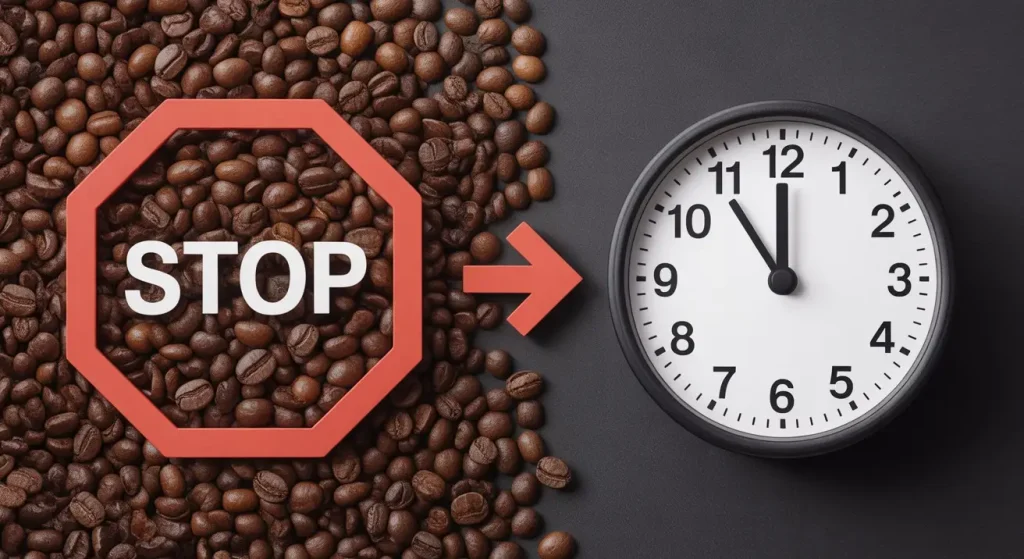
Caffeine has a half-life of about 5 to 6 hours.
This means if you drink a double espresso at 4 PM, half of that caffeine is still floating around in your brain at 10 PM. Caffeine works by blocking Adenosine receptors. Adenosine is the chemical that builds up during the day to make you feel “sleepy.”
When you have caffeine in your system, your brain can’t feel the sleep pressure. You might “pass out” from exhaustion, but your sleep quality suffers. You will likely skip the early cycles of Core and Deep sleep or experience “micro-wakeups” that you don’t even remember.
The Rule: No caffeine after 12:00 PM (Noon).
I was a chronic 3 PM coffee drinker. When I cut that out, I didn’t feel a difference in falling asleep, but my Apple Watch data showed significantly fewer “Awake” spikes during the night.
Habit 5: Soundscaping Your Sanctuary:
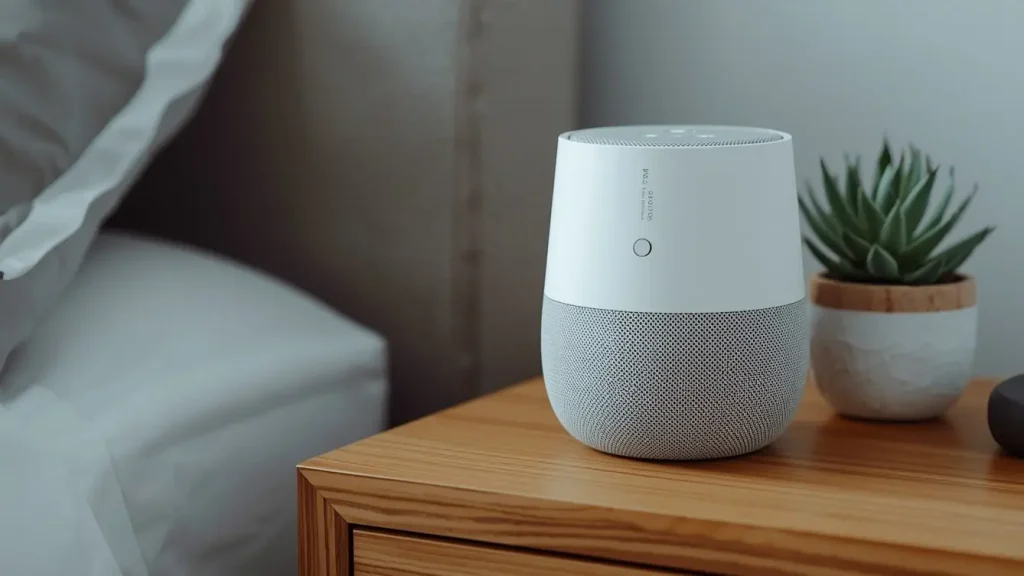
Sudden noises are the most common cause of exiting Core Sleep.
Core Sleep (Stage 2) is a lighter stage than Deep Sleep. You are more reactive to your environment. A car door slamming, a dog barking, or a floorboard creaking can jolt your brain just enough to shift you from sleep to wakefulness, even if you don’t fully wake up.
This creates “sleep fragmentation.” You spend 8 hours in bed but get 5 hours of quality rest.
The Fix: You need a “sound floor.” I use a mechanical White Noise Machine (the kind with a real fan inside, not a digital loop). It creates a consistent, non-looping whoosh of air that smooths out sudden spikes in sound.
If you hate white noise, try “Brown Noise” (lower frequency, deeper rumble) or “Pink Noise” (like rain). The goal isn’t to drown out the world, but to create a consistent audio environment so your brain can stop “listening” for danger.
Habit 6: The Digital “Tech-Down” Routine:
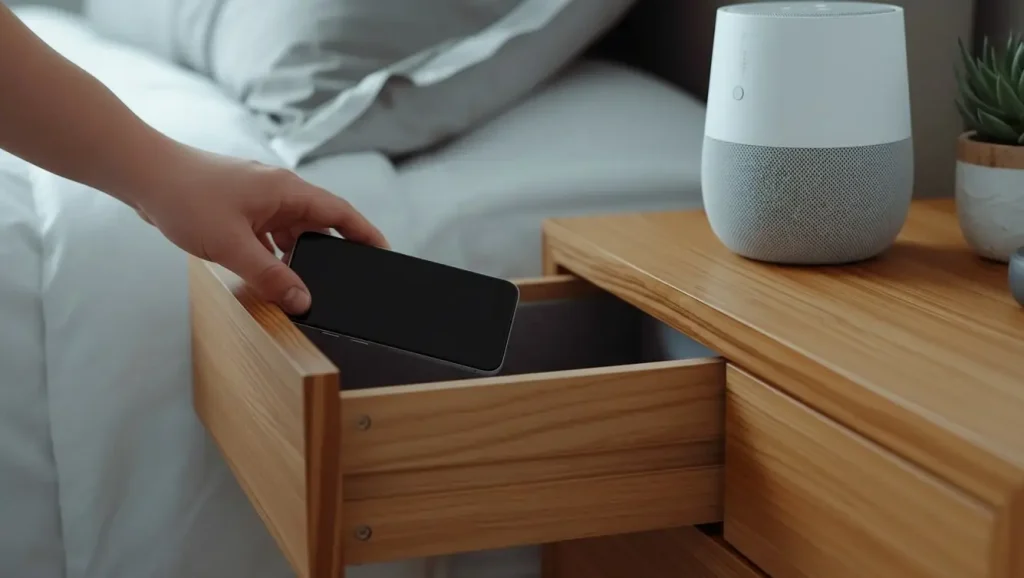
Doomscrolling is the destroyer of sleep.
We all know blue light suppresses melatonin. But there is a secondary factor: Dopamine.
Checking emails, scrolling TikTok, or reading the news creates a state of “alertness” and dopamine anticipation. Your brain is engaged, processing, and reacting. This is the opposite of the relaxation required for Core Sleep.
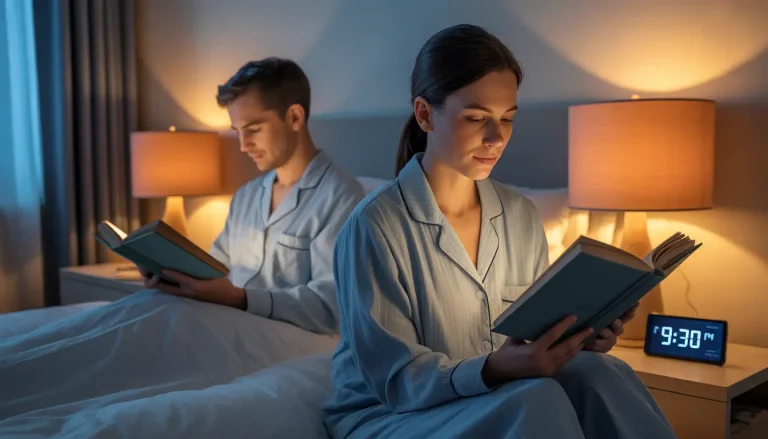
My Hard Rule: No screens 60 minutes before bed. I charge my phone in the kitchen. Not on the nightstand. If your phone is next to you, you will check it.
What do I do instead? I use that Amber Reading Light mentioned in the tools section and read fiction (nothing educational or work-related). This allows my eyes to relax and my brain to detach from the day’s stress.
Habit 7: The Supplement Support System:
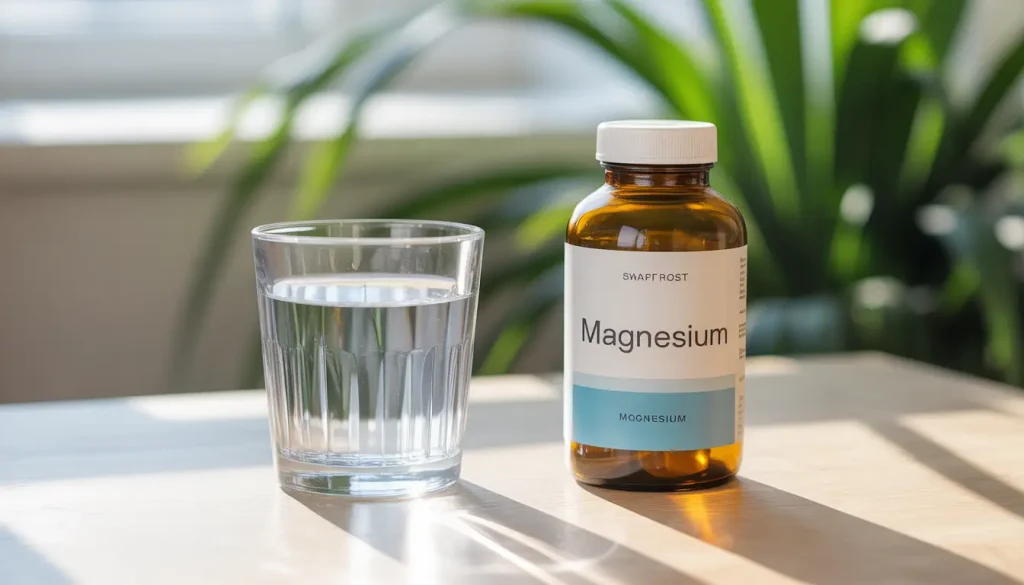
Disclaimer: I am not a doctor. This is based on my experience and general research. Always verify with your healthcare provider.
Sometimes, despite doing everything right, the nervous system just won’t settle down. This is where targeted supplementation can help support the Core Sleep habit.
Magnesium Glycinate: I take 200-400mg of Magnesium Glycinate about an hour before bed. Unlike Magnesium Citrate (which helps you go to the bathroom), Glycinate is highly bioavailable and has a calming effect on the muscles and nervous system. It helps lower cortisol and prepare the body for rest.
L-Theanine: Found naturally in green tea, this amino acid promotes relaxation without drowsiness. It pairs well with magnesium to quiet the “racing mind” that often keeps us awake during those light sleep stages.
⚠️ Watch Out: Avoid Melatonin supplements unless prescribed. They are often overdosed (3mg-10mg is way too much for most people) and can mess with your body’s natural production, leading to grogginess the next day.
COMPARISON TABLE: SLEEP STAGES
It’s important to understand where “Core Sleep” fits in the big picture. Here is a breakdown of the stages.
| Sleep Stage | Also Known As | What It Does | Apple Watch Label |
| NREM Stage 1 | Light Sleep | Transition from wake to sleep. Muscle twitching. | Core Sleep |
| NREM Stage 2 | Light Sleep | The “Core.” Memory processing, heart rate slows. (50% of night) | Core Sleep |
| NREM Stage 3 | Deep Sleep | Physical repair, growth hormone release, immune boost. | Deep Sleep |
| REM | Dreaming Sleep | Emotional regulation, learning consolidation, vivid dreams. | REM Sleep |
Frequently Asked Questions (FAQ):
Q: What is a good amount of Core Sleep on Apple Watch?
A: Most healthy adults will see Core Sleep make up 50% to 60% of their total time asleep. If you sleep 8 hours, aim for roughly 4 to 5 hours of Core Sleep. Don’t panic if it’s high—that is normal. Panic if it’s extremely low (under 30%), as that indicates frequent waking.
Q: Is Core Sleep better than Deep Sleep?
A: They serve different purposes. Deep Sleep is for the body (muscles, immune system), while Core (Light) and REM sleep are for the brain (memory, cognition). You cannot “hack” your way to only deep sleep; your body needs the full architecture of all stages to function.
Q: Why is my Core Sleep so low?
A: Low Core Sleep usually means you are waking up frequently or your total sleep time is too short. Alcohol is a major culprit here, it fragments sleep, causing you to wake up often, which prevents you from settling into steady Stage 2 (Core) sleep. Stress and a warm room are also common causes.
Q: Can I increase Core Sleep with naps?
A: Naps generally consist of light sleep, so yes, they can add to your daily total. However, relying on naps can steal “sleep pressure” from your nighttime rest, making it harder to fall asleep later. Use naps (20 mins) for energy, not to “pad the stats.”
Q: How long does it take to improve core sleep?
A: Most people see noticeable improvements within 7 to 14 days of consistently following a fixed sleep schedule and optimizing their environment. Your body’s circadian rhythm takes about a week to adjust to new patterns. However, if you’ve had poor sleep habits for years, give it at least 3 to 4 weeks for your sleep architecture to fully stabilize. Track your progress with your Apple Watch or sleep tracker you should see fewer “awake” periods and longer stretches of uninterrupted core sleep as your body adapts.
Q: Does alcohol affect core sleep?
A: Yes, significantly. While alcohol might help you fall asleep faster, it fragments your sleep cycles throughout the night. Alcohol suppresses REM sleep in the first half of the night and causes rebound wakefulness in the second half, which disrupts core sleep continuity. You may think you slept 8 hours, but your Apple Watch will show multiple wake-ups and reduced core sleep quality. If you drink, stop at least 3 to 4 hours before bed to allow your body time to metabolize the alcohol before sleep.
Q: What time should I go to bed for optimal core sleep?
A: There’s no universal “perfect” bedtime, but research suggests most adults benefit from going to bed between 10 PM and 11 PM. This aligns with your body’s natural melatonin release, which typically peaks around 9-10 PM. The key isn’t the exact time it’s consistency. If you go to bed at 10:30 PM every night (including weekends), your body will start preparing for sleep around 9:30 PM automatically. Choose a bedtime that allows you to get 7-9 hours of sleep before you need to wake up, then stick to it religiously for at least two weeks.
Q: Can magnesium supplements improve core sleep quality?
A: Magnesium, specifically Magnesium Glycinate, can help support better sleep by calming the nervous system and reducing muscle tension. Many people are deficient in magnesium, which can contribute to restless sleep and frequent waking. However, supplements alone won’t fix poor sleep habits. Think of magnesium as a support tool, not a cure. Always start with the foundational habits (schedule, light, temperature) first, then add magnesium (200-400mg, 1 hour before bed) if needed. Consult your doctor before starting any supplement, especially if you take medications.
Final Verdict: Build the Habit, Not Just the Numbers
“Core Sleep” isn’t just another metric on your Apple Watch, it’s the foundation of how your brain and body recover every night.
If your core sleep is consistently low, the solution isn’t chasing supplements or obsessing over graphs. It’s fixing the basics first: a consistent schedule, proper light exposure, a cooler bedroom, and fewer digital distractions at night.
When you lock in these habits, your sleep architecture stabilizes naturally. Over time, you’ll notice fewer wake-ups, better mental clarity in the morning, and more consistent energy throughout the day.
Start small. Pick one habit from this guide and implement it tonight. Sleep is a skill and like any skill, it improves with consistency.